
Best Places to Live in the World 2026/2027: Top Cities, Coastal Destinations and Quality of Life
Where is the best place to live in the world? Is it a European capital with exceptional public transport and healthcare, an Australian city surrounded by beautiful beaches, or a South African coastal destination where outdoor living is part of everyday life?
For 2026 and 2027, the answer depends on more than international rankings. Quality of life is influenced by safety, affordability, healthcare, education, employment opportunities, housing, climate and the lifestyle that makes somewhere feel like home.
The world’s leading cities offer very different experiences. Copenhagen is recognised for its excellent infrastructure and cycling culture, Vienna for its public services and cultural heritage, and Melbourne for its combination of urban living, recreation and cultural diversity.
Yet international rankings do not always reflect what individuals and families value most. A destination with outstanding infrastructure may also have expensive housing, high taxes or immigration requirements that make relocation difficult.
For people who prioritise coastal living, natural surroundings and outdoor recreation, destinations such as Cape Town and the KwaZulu-Natal South Coast also deserve consideration.
In this international guide, South Coast Explore examines the world’s 10 most liveable cities according to the 2026 Global Liveability Index, alongside South Africa’s coastal lifestyle opportunities and the practical factors that matter when choosing somewhere to settle down.
The World’s Top 10 Most Liveable Cities in 2026
The Economist Intelligence Unit’s Global Liveability Index evaluates 173 cities using more than 30 indicators across five categories: stability, healthcare, culture and environment, education, and infrastructure.
Copenhagen retained first place in 2026, followed by Vienna and Melbourne.
| Rank | City | Country |
|---|---|---|
| 1 | Copenhagen | Denmark |
| 2 | Vienna | Austria |
| 3 | Melbourne | Australia |
| 4 | Sydney | Australia |
| 5 | Zurich | Switzerland |
| 6 | Geneva | Switzerland |
| 7 | Osaka | Japan |
| 8 | Adelaide | Australia |
| 9 | Vancouver | Canada |
| 10 | Tokyo | Japan |
These are the 2026 rankings, not a prediction of the 2027 results. The ranking measures city liveability rather than personal affordability or suitability for relocation.
1. Copenhagen, Denmark — Best Overall for Liveability
Copenhagen has established itself as one of the world’s leading examples of a city designed around everyday quality of life.
Denmark’s capital combines efficient public transport, extensive cycling infrastructure, attractive waterfront areas and accessible green spaces. Its neighbourhoods offer a mixture of historic architecture, contemporary design, local restaurants and community facilities.
Cycling is an important part of daily life. Dedicated routes make it possible for many residents to travel between home, work, education and recreation without relying on a car.
The city also benefits from Denmark’s established public services and social infrastructure, contributing to its strong performance in stability, education and infrastructure.
Copenhagen’s waterfront is another defining feature. Canals, harbour swimming areas and public spaces bring recreation into the centre of urban life, while parks provide room for walking, running and family activities.
However, Copenhagen is not an inexpensive destination. Housing availability, accommodation costs and general living expenses can be challenging, particularly for newcomers.
Best suited to: Families, professionals and people who value sustainable transport, public services and an active urban lifestyle.
Consider before moving: Housing affordability, Danish residency requirements, taxation and winter weather.
2. Vienna, Austria — Best for Culture and Public Services
Vienna has consistently performed well in international liveability assessments, supported by its healthcare, public transport, education and cultural institutions.
The Austrian capital offers an unusual combination of grand historic surroundings and practical modern infrastructure.
Residents can enjoy museums, concert halls, theatres, gardens and cafés while benefiting from a well-developed public transport network connecting residential neighbourhoods with the city centre.
Vienna is particularly appealing to people who want cultural activities to form part of everyday life rather than being reserved for occasional holidays.
Its parks, walking routes and access to the Danube provide recreational opportunities, while Austria’s wider landscape makes mountain and countryside trips possible.
Housing remains an important consideration. Vienna has an established social and regulated housing sector, but eligibility, availability and costs vary considerably for new residents and international arrivals.
Best suited to: Families, cultural enthusiasts, students and people seeking a well-connected European city.
Consider before moving: German-language requirements, housing eligibility and employment opportunities.
3. Melbourne, Australia — Best for Culture and Lifestyle Diversity
Melbourne is one of Australia’s most internationally recognised lifestyle cities, combining employment opportunities, universities, restaurants, sporting events and distinctive neighbourhoods.
Its cultural identity is shaped by a diverse population, creative industries and an extensive food and coffee culture.
Residents can choose between inner-city apartments, established suburban communities and neighbourhoods with access to parks and recreational facilities.
Melbourne is also known for its sporting calendar, including international tennis, cricket and Australian rules football.
The city’s tram and train networks provide important transport connections, although commuting experiences differ depending on the suburb and distance from employment centres.
For people who enjoy weekend travel, Victoria offers coastal drives, wine regions, national parks and scenic countryside.
The city’s main challenges include housing costs in desirable suburbs, commuting distances and changeable weather.
Best suited to: Young professionals, families, students and people who enjoy sport, restaurants and cultural diversity.
Consider before moving: Property prices, transport access, employment prospects and Australian visa requirements.
4. Sydney, Australia — Best for Coastal City Living
Sydney combines the economic opportunities of a major international city with one of the world’s most recognisable coastal settings.
Its harbour, beaches, parks and outdoor recreation contribute to a lifestyle that appeals to residents who enjoy spending time outside.
From established beachside suburbs to inner-city neighbourhoods and family-oriented residential areas, Sydney offers a wide variety of living environments.
The city’s economy supports employment in finance, technology, healthcare, education, tourism and professional services.
For many residents, access to beaches and coastal walking routes is a significant advantage. Swimming, surfing, sailing and outdoor fitness can become regular parts of everyday life.
However, Sydney’s popularity creates substantial pressure on housing affordability. The cost of purchasing or renting in desirable locations can be a major barrier.
Best suited to: Coastal lifestyle enthusiasts, professionals, families and people seeking a major city with outdoor recreation.
Consider before moving: High housing costs, commuting distances and the relationship between salary and household expenses.
5. Zurich, Switzerland — Best for Infrastructure and Professional Opportunities
Zurich offers a combination of economic strength, efficient public transport, attractive surroundings and high-quality urban services.
Located beside Lake Zurich and within reach of the Swiss Alps, the city gives residents access to both urban amenities and outdoor recreation.
Its public transport system connects neighbourhoods, employment centres and surrounding towns, making daily travel convenient for many residents.
Zurich is an important centre for finance, technology, research and professional services. For skilled workers, the city can offer attractive career opportunities and competitive salaries.
Its compact historic centre, waterfront areas and recreational spaces add to its appeal.
Yet Zurich also illustrates why liveability and affordability should be evaluated separately. Switzerland’s high salaries are accompanied by substantial housing, healthcare and everyday living costs.
Best suited to: Skilled professionals, families and people prioritising infrastructure, safety and career opportunities.
Consider before moving: Housing costs, mandatory health insurance, residency eligibility and language requirements.
6. Geneva, Switzerland — Best for International Careers and Lakeside Living
Geneva is known for its international institutions, diplomatic community and location beside Lake Geneva.
The city offers a multilingual environment, strong professional networks and access to Switzerland’s healthcare and transport systems.
Its position near the French border creates opportunities for regional travel, while the surrounding lake and mountains support an outdoor lifestyle.
Residents can enjoy walking and cycling routes, waterfront recreation, cultural events and nearby Alpine destinations.
Geneva’s international character is especially attractive to people working in diplomacy, humanitarian organisations, research and multinational businesses.
However, the city is expensive, and accommodation can be difficult to secure in sought-after neighbourhoods.
Best suited to: International professionals, researchers, diplomats and families seeking a multilingual environment.
Consider before moving: Housing availability, healthcare costs, cross-border arrangements and employment eligibility.
7. Osaka, Japan — Best for Food, Urban Convenience and Japanese City Living
Osaka combines the infrastructure and convenience associated with major Japanese cities with a lively cultural identity.
The city is famous for its food scene, shopping districts and entertainment, but its appeal extends beyond tourism.
Residents benefit from extensive rail connections, established healthcare services and access to education and public amenities.
Osaka is also an important commercial centre, with employment across manufacturing, technology, trade and services.
Its location in the Kansai region makes it convenient to visit Kyoto, Nara and Kobe, creating opportunities to explore historic destinations and natural attractions.
For international residents, language and workplace culture may require adjustment. Housing choices, employment contracts and immigration arrangements also need careful research.
Best suited to: Urban lifestyle enthusiasts, food lovers and professionals interested in living in Japan.
Consider before moving: Japanese-language skills, employment sponsorship and the size and location of accommodation.
8. Adelaide, Australia — Best for a Relaxed Australian Lifestyle
Adelaide offers a different experience from Australia’s larger metropolitan centres.
South Australia’s capital is known for its beaches, parklands, cultural festivals and access to established wine regions.
For people seeking a balance between employment, family life and recreation, Adelaide can be an attractive alternative to Sydney or Melbourne.
The city has universities, healthcare facilities, residential suburbs and an expanding range of professional and technical industries.
Its coastal areas provide opportunities for swimming, walking and outdoor activities, while the surrounding regions offer weekend trips and food-and-wine experiences.
Adelaide is often considered by buyers looking for a less hectic urban environment, although housing affordability depends on neighbourhood, property type and current market conditions.
Best suited to: Families, retirees, professionals and people seeking a more relaxed pace of life.
Consider before moving: Job availability within specialised industries, summer heat and housing costs relative to local incomes.
9. Vancouver, Canada — Best for Nature and Outdoor Recreation
Vancouver is one of the world’s most distinctive cities for combining urban living with access to mountains, forests and the ocean.
Residents can enjoy coastal parks, cycling routes, hiking trails and winter sports within reach of the metropolitan area.
The city has a diverse population and a range of neighbourhoods offering different residential experiences.
Its economy includes technology, film production, education, tourism and professional services.
Vancouver is especially attractive to people who prioritise recreation and natural surroundings alongside the opportunities of a major city.
However, housing affordability is a significant challenge. High accommodation costs can affect the overall quality of life experienced by households, even when public amenities and environmental conditions are favourable.
Best suited to: Outdoor enthusiasts, families and professionals seeking a coastal city surrounded by nature.
Consider before moving: Housing costs, seasonal rainfall, employment opportunities and Canadian immigration requirements.
10. Tokyo, Japan — Best for Urban Efficiency and Modern City Living
Tokyo is one of the world’s largest metropolitan areas, yet its transport systems, neighbourhood amenities and public infrastructure make everyday life remarkably organised.
The Japanese capital offers an extensive rail network, diverse residential communities, restaurants, shopping areas, parks and cultural attractions.
Tokyo’s appeal lies partly in the variety of lifestyles available within one metropolitan region.
Residents can choose between energetic commercial districts, quieter neighbourhoods, family-oriented suburbs and areas with convenient access to major transport connections.
The city also offers substantial employment opportunities across technology, finance, manufacturing, education and services.
However, Tokyo’s scale can feel overwhelming to newcomers, and daily life may involve adjustments to language, housing size, workplace expectations and local customs.
Best suited to: Professionals, students and people who value efficient transport, urban convenience and cultural experiences.
Consider before moving: Language barriers, employment conditions, accommodation size and earthquake preparedness.
South Africa: Cape Town and the KZN South Coast Among the Best Coastal Places to Live
When considering the best places to live in the world, South Africa deserves attention for its natural beauty, coastal lifestyles, cultural diversity and range of residential communities.
While major international liveability rankings often favour European, Australian and Asian cities, South Africa offers a different perspective on quality of life. For many people, living close to the ocean, enjoying outdoor activities throughout the year and having access to beautiful natural surroundings are important considerations.
Two destinations stand out for different reasons: Cape Town in the Western Cape and the KwaZulu-Natal South Coast.
These are South Coast Explore’s editorial lifestyle selections, rather than entries in the EIU’s global top 10.
Cape Town — Best for International City Living and Natural Beauty
Cape Town is one of South Africa’s most recognisable cities, combining an established metropolitan economy with beaches, mountains, vineyards and internationally known attractions.
For residents, the city’s appeal extends well beyond its tourism reputation. Cape Town offers employment opportunities in technology, financial services, tourism, education and creative industries, alongside universities, healthcare facilities and established residential neighbourhoods.
The city offers a wide variety of living environments. Areas such as the Southern Suburbs appeal to families looking for schools and established communities, while coastal neighbourhoods offer access to beaches, restaurants and outdoor recreation.
Table Mountain, the Atlantic coastline and the surrounding Winelands provide opportunities for hiking, cycling, surfing, dining and weekend travel.
Cape Town’s diverse neighbourhoods also create different lifestyle opportunities. Sea Point offers an energetic coastal environment, while areas such as Constantia provide more established suburban surroundings. The northern suburbs and other residential districts offer additional options for families and working professionals.
However, Cape Town also faces significant challenges. Housing affordability, traffic congestion, unequal access to services and crime all influence the everyday experiences of residents. Choosing the right neighbourhood and understanding the cost of living are essential.
For professionals, families and international residents seeking a combination of urban opportunities and outdoor recreation, Cape Town remains a compelling South African option.
Best suited to: International city living, professional careers, outdoor recreation and cultural experiences.
Consider before moving: Housing affordability, commuting, neighbourhood safety and access to employment.
KwaZulu-Natal South Coast — Best for Relaxed Coastal Living
The KwaZulu-Natal South Coast offers a different lifestyle from Cape Town’s metropolitan environment.
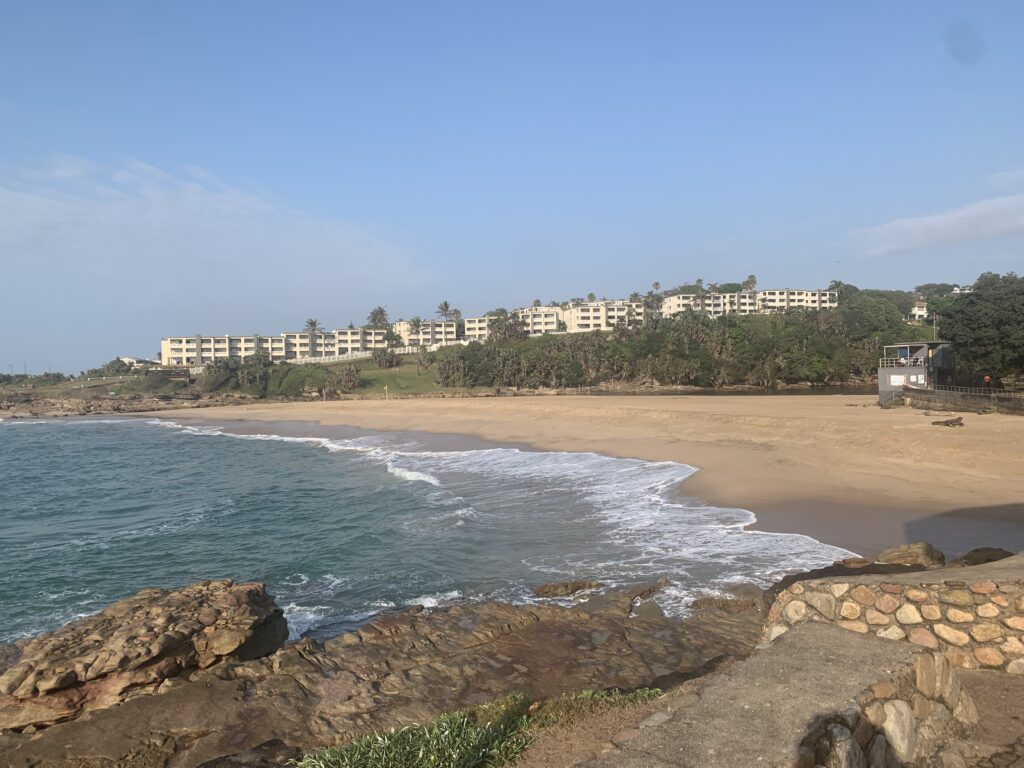
Stretching from Scottburgh towards Port Edward, the coastline is known for its warm Indian Ocean waters, subtropical vegetation, beaches, golf courses and coastal communities.
For people considering retirement, remote working, a permanent family home or a lifestyle change, the South Coast provides a range of residential options, from established seaside neighbourhoods to modern lifestyle estates.
Unlike larger cities, where daily routines can revolve around commuting and busy urban centres, many South Coast communities offer a quieter atmosphere with the ocean and natural surroundings forming part of everyday life.
The region is also known for its golf courses, nature reserves, fishing opportunities, restaurants and family-friendly attractions. These contribute to a lifestyle that appeals to people who enjoy spending time outdoors.
Best Towns to Live on the KZN South Coast
Pennington — Coastal Forests and Golf Lifestyle
Pennington is known for its coastal forests, beaches, golf courses and peaceful residential atmosphere.
The town offers access to Umdoni Park Golf Club and Selborne Golf Estate, along with established residential neighbourhoods and developments such as Umdoni Point Coastal Forest Estate.
For buyers interested in coastal property, conservation surroundings and a quieter pace of life, Pennington is worth considering.
Scottburgh — Family-Friendly Coastal Living
Scottburgh combines a popular beach destination with an established residential community.
The town offers shopping, schools, recreation and access to surrounding coastal attractions. Its location on the Upper South Coast also provides connections towards Durban and the broader South Coast.
Scottburgh appeals to families, retirees and people looking for a seaside town with everyday amenities.
Umtentweni — Residential Coastal Living
Umtentweni is an established coastal community close to Port Shepstone.
Its beaches, residential areas and proximity to commercial services make it an option for people who want a quieter environment while remaining within reach of shopping, healthcare and other facilities.
Uvongo — Beaches and Family Lifestyle
Uvongo is recognised for its scenic beach, lagoon and waterfall, making it one of the South Coast’s distinctive seaside destinations.
The surrounding residential areas offer apartments, houses and holiday accommodation, attracting both permanent residents and seasonal visitors.
Uvongo is particularly appealing to people who enjoy coastal recreation and access to nearby Margate and Shelly Beach.
Margate — Coastal Town with Entertainment and Amenities
Margate is one of the better-known South Coast towns, offering beaches, restaurants, shops and tourism-related businesses.
For residents who prefer a livelier seaside environment, Margate provides access to entertainment and services alongside residential neighbourhoods.
The town’s character varies by area, making location and property selection important considerations.
Ramsgate — Village Atmosphere and Natural Beauty
Ramsgate is known for its coastal scenery, restaurants and relaxed village atmosphere.
The surrounding area offers established residential properties, beach access and natural attractions, making it appealing to people seeking a quieter environment close to Margate’s amenities.
Southbroom — Golf, Beaches and Established Coastal Homes
Southbroom is a scenic coastal community known for its beaches, golf course and established residential character.
The town appeals to people looking for coastal property, outdoor recreation and a relatively peaceful lifestyle.
Its location also provides access to Ramsgate, Margate and other attractions along the Lower South Coast.
Why the KZN South Coast Appeals to Retirees and Lifestyle Buyers
The KZN South Coast’s appeal is not limited to holiday tourism.
For retirees, the region offers opportunities to enjoy coastal surroundings, golf, walking, fishing and community activities.
For remote workers and entrepreneurs, a coastal lifestyle may be attractive where business arrangements and reliable connectivity allow flexibility.
Families may also appreciate access to beaches, outdoor recreation and established residential communities.
Property options range from apartments and conventional houses to sectional title developments and secure estates, although pricing and availability differ considerably between towns and neighbourhoods.
Nevertheless, practical considerations remain important. Access to specialised healthcare, employment opportunities, municipal infrastructure, security and reliable connectivity should all be assessed before relocating.
For people who place a high value on beaches, nature and a relaxed pace of life, the KZN South Coast deserves consideration alongside more internationally recognised coastal destinations.
Best suited to: Coastal living, retirement, outdoor recreation, golf and people seeking a quieter lifestyle.
Consider before moving: Local employment, municipal services, healthcare access, neighbourhood security and internet connectivity.
Cape Town vs the KZN South Coast: Which Is Better for Living?
Cape Town and the KZN South Coast offer two very different South African coastal experiences.
Cape Town provides a major metropolitan economy, extensive cultural attractions, universities and specialist healthcare facilities. The KZN South Coast is characterised by smaller communities, a subtropical climate and a generally quieter seaside lifestyle.
| Lifestyle factor | Cape Town | KZN South Coast |
|---|---|---|
| Living environment | Major metropolitan city | Coastal towns and villages |
| Climate | Mediterranean | Subtropical |
| Beaches | Atlantic and False Bay coastlines | Warm Indian Ocean coastline |
| Employment | Broader metropolitan job market | More limited local job market |
| Property | Wide range, with expensive sought-after areas | Varied coastal homes and estates |
| Recreation | Mountains, beaches, vineyards and city attractions | Beaches, golf, fishing and nature |
| Healthcare | Wider range of specialist facilities | Varies by town; some services require travel |
| Lifestyle | Active metropolitan and coastal living | Generally quieter seaside living |
For professionals seeking employment in specialised industries, Cape Town may provide more opportunities.
For retirees or people with location-independent income, the KZN South Coast may offer an appealing alternative.
Neither destination is automatically better. The choice depends on financial circumstances, household needs, lifestyle preferences and the availability of essential services.
Which Cities Offer the Best Value for Money?
The highest-ranked city is not automatically the most affordable.
A city can perform exceptionally well in healthcare, education and infrastructure while still being difficult to access for households with moderate incomes.
Zurich, Geneva, Copenhagen, Sydney and Vancouver demonstrate why housing costs need to be considered alongside liveability.
Adelaide may appeal to people looking for a different balance between urban amenities and lifestyle, while Osaka can offer alternatives to some of the accommodation and commuting patterns associated with Tokyo.
South African coastal destinations also deserve consideration when comparing lifestyle choices, particularly for households with established income or retirement savings.
However, lower housing prices do not automatically mean better overall value. Healthcare, security, transport, insurance and infrastructure-related expenses can materially affect household budgets.
A meaningful comparison should consider after-tax earnings, housing, utilities, transport, healthcare, childcare, insurance and the cost of maintaining a preferred lifestyle.
The most useful question is not simply where living expenses are lowest, but where a household can achieve the best quality of life with its available income.
What Makes a City One of the Best Places to Live?
Safety and Stability
Personal security, reliable institutions and political stability are important considerations for anyone planning a long-term move.
Safety should be assessed at both city and neighbourhood level, rather than relying entirely on national statistics or broad reputations.
Healthcare and Education
Access to hospitals, medical practitioners, schools and universities can have a substantial influence on quality of life.
However, access arrangements differ. Public healthcare eligibility, private insurance requirements and school admissions should be researched before relocating.
Affordability and Housing
Housing is often the largest household expense and can change the practical attractiveness of a city.
Renting or buying in a popular destination may require a higher income than expected, particularly where demand exceeds the supply of suitable homes.
Employment and Economic Opportunity
A beautiful location may not be a sustainable choice without reliable income.
Prospective residents should assess local employment conditions, professional qualifications, remote-work regulations and whether their skills are in demand.
Lifestyle, Climate and Recreation
Climate, beaches, parks, cultural attractions and recreational facilities influence how people spend their free time.
A city with excellent infrastructure may not suit someone seeking a warm coastal lifestyle, while a quieter destination may not offer the career opportunities available in a large metropolitan centre.
Are the Best Places to Live Always Major Cities?
International liveability rankings generally focus on cities, but many people prefer smaller towns and coastal communities.
For retirees, remote workers and families seeking more space, a smaller destination may offer advantages that do not appear prominently in major-city rankings.
These may include access to nature, less traffic, community connections and different housing choices.
The trade-offs can involve fewer specialised healthcare services, reduced employment opportunities and greater reliance on private transport.
The KZN South Coast provides an example of this alternative lifestyle, with communities offering different combinations of beaches, residential properties, outdoor recreation and local amenities.
This is why the best place to live should ultimately be determined by personal priorities rather than a single global ranking.
Frequently Asked Questions About the Best Places to Live in the World
What is the best city to live in the world in 2026?
Copenhagen, Denmark, ranks first in the Economist Intelligence Unit’s 2026 Global Liveability Index, followed by Vienna and Melbourne.
What is the best city to live in during 2027?
The 2027 Global Liveability Index has not yet been released. The 2026 rankings provide a starting point, but positions may change when the next assessment is published.
Which country has the most cities in the top 10?
Australia has three cities in the 2026 top 10: Melbourne, Sydney and Adelaide.
Which city is best for families?
Copenhagen, Vienna, Melbourne and Adelaide all offer features that may appeal to families. The best choice depends on housing affordability, schools, healthcare access and residency arrangements.
Which city is best for retirement?
Retirement suitability depends on pension income, healthcare eligibility, climate, accommodation and immigration rules. A highly ranked city may not be the most practical or affordable retirement destination.
Is Copenhagen an affordable city to live in?
Copenhagen offers excellent infrastructure and public services, but housing and everyday living expenses can be substantial. Affordability depends on household income and accommodation choices.
Is Cape Town one of the best places to live in the world?
Cape Town offers a distinctive combination of metropolitan amenities, beaches, mountains and outdoor recreation. However, it is not among the EIU’s 2026 global top 10, and its housing costs, safety conditions and infrastructure challenges should be considered.
Is the KZN South Coast a good place to live?
The KwaZulu-Natal South Coast offers coastal communities, beaches, golf courses and residential property options. It may appeal to retirees, families and remote workers, although healthcare access, infrastructure, employment and security should be evaluated locally.
What are the best towns to live on the KZN South Coast?
Pennington, Scottburgh, Umtentweni, Uvongo, Margate, Ramsgate and Southbroom are among the coastal communities worth considering, depending on lifestyle and housing preferences.
Is Cape Town or the KZN South Coast better for retirement?
Cape Town offers greater access to metropolitan services and specialist healthcare, while the KZN South Coast may appeal to retirees seeking a quieter coastal environment. The right choice depends on healthcare needs, finances, family connections and lifestyle preferences.
What is the difference between liveability and quality of life?
Liveability rankings often assess city-level services and conditions, while quality of life may also include household finances, housing affordability, work-life balance and personal preferences.
The Best Place to Live in the World Depends on Your Lifestyle
Copenhagen may lead the 2026 international liveability rankings, but it will not necessarily be the ideal home for everyone.
Vienna offers a rich cultural environment, Melbourne combines city living with recreation, Sydney brings beaches into metropolitan life, and Zurich offers strong professional opportunities and efficient infrastructure.
Meanwhile, Adelaide, Vancouver, Osaka and Tokyo demonstrate how different cultures and urban environments can deliver appealing living experiences.
South Africa offers another perspective on the global lifestyle conversation.
Cape Town combines the opportunities of a major international city with exceptional natural surroundings, while the KwaZulu-Natal South Coast offers coastal towns, outdoor recreation and a more relaxed residential environment.
The most important decision is finding a destination where housing, income, healthcare, safety and everyday lifestyle work together.
For some people, that will mean relocating to one of the world’s leading cities. For others, it may mean choosing a smaller coastal town where family, community and outdoor living take priority.
At South Coast Explore, we believe exploring the world also helps us appreciate the different ways people choose to live — whether in an international capital, a vibrant coastal city or a quieter seaside community.
Explore more with South Coast Explore and Cape Town Explore:
- South Coast Explore — KZN South Coast Travel, Lifestyle and Destinations
- Cape Town Explore — Cape Town Travel and Lifestyle
- Best Places to Retire in South Africa: KZN South Coast
Last updated: 30 October 2026