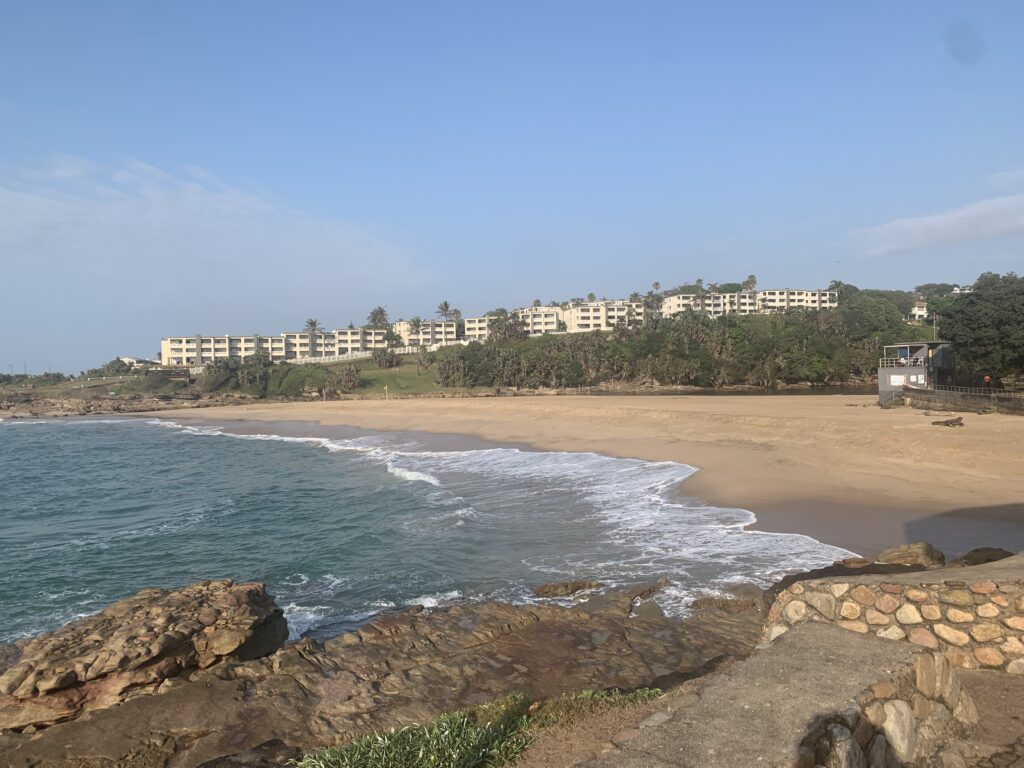

South African Travel Guide for First-Time Visitors: Everything You Need to Know
South Africa is a country of extraordinary contrasts. From the dramatic mountains and beaches of Cape Town to the wildlife of Kruger National Park, the cultural heritage of KwaZulu-Natal and the warm Indian Ocean coastline, it offers visitors an exceptional variety of travel experiences.
For first-time visitors, planning a holiday in South Africa can be both exciting and challenging. The country is large, its regions offer very different experiences, and decisions about transport, accommodation, travel seasons and itineraries can make a significant difference to your trip.
This South African travel guide explains what visitors need to know before arriving, including the best places to visit, practical travel advice, safety considerations, transport options and suggested itineraries.
We also introduce the KwaZulu-Natal South Coast, a region that combines beaches, marine adventures, nature reserves and relaxed coastal towns, making it a rewarding addition to a first-time South African holiday.
Why Visit South Africa?
South Africa offers an unusual combination of natural beauty, wildlife, culture and outdoor adventure. Travellers can experience a safari, explore historic cities, visit mountain landscapes and relax beside the ocean, all within one country.
One of the country’s greatest attractions is the diversity of its landscapes. The Western Cape is known for mountains, vineyards and dramatic coastal scenery. Mpumalanga and Limpopo are associated with wildlife reserves and safari experiences, while KwaZulu-Natal offers warm coastal destinations, cultural heritage and the Drakensberg mountains.
South Africa is also home to a rich mixture of languages, traditions, food and communities. Its cultural diversity is reflected in everything from local markets and historical landmarks to regional cuisine and festivals.
Visitors can choose from luxury safari lodges and boutique hotels to family-friendly resorts, self-catering holiday homes and affordable guesthouses.
For travellers who enjoy combining different types of experiences in one journey, South Africa provides an excellent starting point for exploring southern Africa.
Where Is South Africa and How Do You Get There?
South Africa is situated at the southern end of the African continent, bordered by Namibia, Botswana, Zimbabwe, Mozambique and Eswatini. Lesotho is an independent country surrounded by South African territory.
The country has coastlines along both the Atlantic and Indian Oceans, creating a variety of coastal climates and landscapes.
International visitors commonly arrive through O.R. Tambo International Airport near Johannesburg or Cape Town International Airport. King Shaka International Airport near Durban also serves international and domestic routes.
Domestic flights connect major cities and can make travelling between distant regions considerably easier.
Visitors planning to explore multiple provinces should consider combining flights with car hire or arranged transfers rather than attempting every journey by road.
The Best Time to Visit South Africa
South Africa is a year-round destination, but the best time to visit depends on the activities you want to enjoy.
Summer: December to February
Summer is popular for beach holidays, coastal travel and outdoor activities. KwaZulu-Natal experiences warm, humid conditions, making its Indian Ocean coastline particularly attractive to holidaymakers.
December and January are also busy travel periods because of school holidays and festive-season tourism.
Inland summer weather can include afternoon thunderstorms, so outdoor activities should be planned with changing conditions in mind.
Autumn: March to May
Autumn can be an excellent time for sightseeing and road trips. Many areas experience milder temperatures, and some popular destinations are quieter outside school holiday periods.
Coastal regions such as KwaZulu-Natal often remain warm enough for outdoor activities.
Winter: June to August
Winter is a popular period for wildlife viewing in parts of South Africa, particularly in Kruger National Park and surrounding reserves.
Drier vegetation and animals gathering around water sources can make wildlife easier to spot, although sightings are never guaranteed.
The Western Cape generally experiences wetter winter conditions, while parts of KwaZulu-Natal have comparatively mild and drier winter weather.
Spring: September to November
Spring brings warmer temperatures and changing landscapes.
The Western Cape’s flower regions can be particularly attractive during the appropriate flowering season, while KwaZulu-Natal and other coastal destinations begin moving towards their summer travel period.
For travellers who want to combine a safari, city sightseeing and a coastal holiday, spring and autumn are often useful seasons to consider.
Best Places to Visit in South Africa for the First Time
South Africa has nine provinces, each offering distinctive attractions and travel experiences. First-time visitors do not need to explore every province in one holiday.
Choosing a few regions and allowing enough time to enjoy them usually creates a more rewarding itinerary.
1. Cape Town and the Western Cape
Cape Town is one of South Africa’s best-known international tourism destinations, offering mountains, beaches, cultural attractions and a lively food scene.
Table Mountain is among the city’s most recognisable landmarks, with panoramic views over the surrounding coastline and urban landscape.
Visitors can also explore the V&A Waterfront, the historic Bo-Kaap neighbourhood, Robben Island and scenic coastal routes around the Cape Peninsula.
Outside the city, the Cape Winelands offer vineyard landscapes, restaurants and historic towns such as Stellenbosch and Franschhoek.
The Western Cape also includes the western section of the Garden Route, which begins around Mossel Bay and continues eastwards through coastal towns and natural attractions.
Cape Town is a useful starting point for first-time visitors who want a combination of city sightseeing, outdoor activities and cultural experiences.
2. Kruger National Park and South Africa’s Safari Regions
For many international travellers, seeing African wildlife in its natural habitat is a major reason to visit South Africa.
Kruger National Park extends across parts of Mpumalanga and Limpopo and is one of the country’s best-known wildlife destinations.
The park is home to elephants, lions, leopards, rhinoceroses, buffalo and many other animals.
Visitors can explore designated roads on self-drive safaris or book guided game drives with authorised operators.
Accommodation ranges from rest camps within the national park to private lodges in surrounding wildlife areas.
The neighbouring Greater Kruger region includes private reserves offering additional safari experiences.
First-time safari visitors should allow several days rather than treating wildlife viewing as a quick stop. Animal sightings depend on conditions, timing and chance.
3. The Garden Route and Eastern Cape
The Garden Route is a scenic travel region along South Africa’s southern coastline, stretching through parts of the Western Cape towards the Eastern Cape.
Popular destinations include Wilderness, Knysna, Plettenberg Bay and nearby nature areas.
Visitors can explore beaches, forests, lagoons, coastal viewpoints and outdoor adventure attractions.
The route is particularly appealing to travellers who enjoy road trips because it combines attractive scenery with opportunities to stop in smaller towns.
The Eastern Cape also offers wildlife reserves, surfing destinations and coastal experiences beyond the traditional Garden Route.
Travellers planning this region should allow enough time to explore individual destinations rather than rushing through the entire coastline.
4. Durban and KwaZulu-Natal
KwaZulu-Natal is a diverse province with warm Indian Ocean beaches, mountain landscapes, wildlife areas and cultural heritage.
Durban is one of its main urban centres, known for its beachfront, Indian-influenced cuisine and coastal atmosphere.
The city provides a gateway to both the northern and southern KwaZulu-Natal coastlines.
Inland, the Drakensberg offers spectacular mountain scenery, hiking opportunities and natural landscapes.
Farther north, the iSimangaliso Wetland Park is recognised for its important ecosystems, lakes, coastal environments and wildlife.
KwaZulu-Natal is especially appealing to travellers who want to combine beach holidays with outdoor adventures and cultural experiences.
5. The KwaZulu-Natal South Coast
The KZN South Coast is a rewarding destination for visitors who enjoy warm coastal weather, beaches, nature and relaxed holiday towns.
Stretching southwards from the Scottburgh area towards Port Edward, the region offers a variety of experiences along the Indian Ocean coastline.
Unlike destinations centred around one major city, the South Coast consists of numerous towns and coastal communities, each with its own character.
Visitors can choose between lively holiday centres, quieter residential beach towns and accommodation close to natural attractions.
Scottburgh and the Northern South Coast
Scottburgh is a popular coastal town offering beach activities, holiday accommodation and access to nearby attractions.
The northern South Coast is also conveniently positioned for travellers who want to explore Umkomaas, Aliwal Shoal and occasionally travel to Durban.
Umtentweni and Shelly Beach
Umtentweni is known for its coastal setting and relaxed atmosphere, while Shelly Beach is a commercial and holiday centre with shopping facilities and access to marine activities.
The area provides a useful base for travellers exploring the central South Coast.
Uvongo
Uvongo is one of the region’s recognisable holiday destinations, particularly because of its beach, lagoon and waterfall.
The area appeals to families and visitors looking for accommodation near coastal attractions.
Margate
Margate is an established South Coast holiday town with a popular beachfront, restaurants, shops and entertainment facilities.
Its central location makes it convenient for exploring surrounding beaches and attractions.
Ramsgate and Southbroom
Ramsgate and Southbroom offer attractive coastal surroundings, accommodation options and access to restaurants, beaches and outdoor activities.
These destinations appeal to visitors looking for a mixture of relaxation and local exploration.
Port Edward and the Lower South Coast
Port Edward provides access to the southern part of the KwaZulu-Natal coastline and nearby attractions around the provincial border.
Visitors can explore coastal scenery, natural attractions and leisure experiences in the surrounding region.
For first-time visitors who want a beach-focused addition to their South African itinerary, the KZN South Coast provides a different experience from Cape Town’s Atlantic coastline.
Wildlife, Marine Adventures and Nature on the South Coast
The KwaZulu-Natal South Coast offers more than traditional beach holidays.
Aliwal Shoal, offshore from Umkomaas, is a well-known diving destination associated with reef ecosystems and marine wildlife.
Protea Banks, near Shelly Beach, is another recognised diving area, particularly among experienced divers interested in shark encounters.
Both locations require appropriate operators, equipment and attention to weather and sea conditions.
During the winter months, the annual sardine migration can bring significant marine activity along parts of the KwaZulu-Natal coastline. The timing and location of sardine movements vary each year.
Inland, Oribi Gorge offers dramatic scenery, nature experiences and outdoor activities.
The region also includes coastal conservancies, birdwatching opportunities, golf courses and walking routes.
These attractions make the South Coast suitable for visitors who want to combine a relaxed coastal holiday with nature and adventure.
Is South Africa Safe for First-Time Visitors?
Safety is an important consideration when planning travel in South Africa.
Like many destinations, South Africa has areas where crime and other safety risks require particular attention. Visitors should research the places they intend to visit and follow current advice from reputable local sources.
Choose accommodation with appropriate security arrangements and use established transport services.
Avoid displaying expensive jewellery, cameras or electronic equipment unnecessarily in public places. Be cautious when withdrawing money and avoid walking alone in unfamiliar areas, particularly after dark.
If hiring a vehicle, keep valuables out of sight and plan routes before departure.
For beach activities, swim in designated areas where lifeguards are present and follow local safety notices.
Travellers should also consult their government’s current travel advice before departure.
With appropriate planning and awareness, visitors can make informed decisions about their travel arrangements and activities.
Visa and Entry Requirements for South Africa
Visa requirements depend on a traveller’s nationality, passport and purpose of travel.
Some nationalities are eligible for visa-free visits for specified periods, while others must obtain a visa before travelling.
Visitors should check the latest requirements with the South African Department of Home Affairs or the appropriate South African diplomatic mission.
Passport validity, available blank pages, onward travel arrangements and documentation for children may also be relevant.
Because immigration rules can change, travellers should not rely exclusively on general travel articles when confirming entry requirements.
Official information is available through the South African Department of Home Affairs.
How to Travel Around South Africa
South Africa is a large country, and travel distances between major destinations can be substantial.
Domestic Flights
Domestic flights are often the most practical option for travelling between Johannesburg, Cape Town, Durban and other major centres.
Flying can save considerable time when combining distant regions in one holiday.
Car Hire
Hiring a car is a popular choice for visitors who want to explore coastal routes, small towns and nature attractions independently.
South Africans drive on the left-hand side of the road.
Visitors should confirm licence requirements, insurance arrangements and rental conditions before collecting a vehicle.
Long-distance driving should be planned carefully, with consideration for road conditions, rest stops and daylight travel.
Guided Tours and Private Transfers
Guided tours and private transfers are useful for travellers who prefer organised transport.
These services can be particularly convenient for airport transfers, safari experiences and visits to unfamiliar destinations.
Public Transport
Public transport options differ considerably between South African cities and regions.
Travellers should research available services before relying on public transport for an itinerary, particularly when visiting smaller coastal towns or rural attractions.
Money, Payments and Everyday Travel Costs
South Africa uses the South African rand, abbreviated as ZAR.
Bank cards are widely accepted at established accommodation providers, restaurants, shops and attractions, although carrying a small amount of cash can be useful.
Visitors should confirm whether their bank charges international transaction fees and use reputable ATMs.
Travel costs vary significantly according to destination, season and accommodation type.
Luxury safari lodges and premium hotels can be expensive, while guesthouses, self-catering accommodation and smaller holiday properties may offer more flexible options.
When comparing accommodation, consider whether rates include meals, cleaning, parking and other services.
Booking early is advisable for popular holiday periods, especially December and January.
Food and Cultural Experiences in South Africa
Food is an important part of the South African travel experience.
A traditional braai, or barbecue, is a popular social activity enjoyed across the country.
Durban is particularly associated with bunny chow, a curry dish served in a hollowed loaf of bread.
Visitors can also discover bobotie, boerewors, traditional stews, seafood and a variety of regional dishes influenced by South Africa’s cultural heritage.
Along the KwaZulu-Natal South Coast, coastal restaurants, cafés and local eateries offer opportunities to enjoy seafood and relaxed dining experiences.
Exploring local food is an excellent way to experience the character of different regions.
Health and Practical Travel Preparation
Before travelling, visitors should review recommended vaccinations, medical requirements and any health considerations relevant to their itinerary.
Malaria risk exists in certain parts of South Africa, including some northeastern areas. Travellers planning to visit affected regions should seek current medical advice about prevention.
Yellow fever vaccination documentation may be required for travellers arriving from, or transiting through, certain countries where yellow fever is a concern.
South Africa generally uses 230-volt electricity, and several plug types are found in accommodation establishments. An appropriate travel adapter is useful.
English is widely used in tourism, although South Africa has 12 official languages, including South African Sign Language.
Visitors should also arrange suitable travel insurance, particularly when participating in activities such as diving, hiking or adventure sports.
Suggested 14-Day South Africa Itinerary for First-Time Visitors
A two-week holiday provides enough time to experience several major highlights, although travellers should avoid including too many distant destinations.
The following itinerary combines city sightseeing, wildlife and a KwaZulu-Natal coastal holiday.
Days 1–4: Cape Town and the Western Cape
Begin your journey in Cape Town.
Explore Table Mountain, the V&A Waterfront, the Cape Peninsula and selected cultural attractions.
Depending on your interests, include a visit to the Cape Winelands or a scenic coastal drive.
Days 5–7: Kruger National Park
Travel to the Kruger region for a wildlife experience.
Allow time for guided or self-drive game viewing and enjoy the natural surroundings.
Select accommodation according to your preferred safari style and budget.
Days 8–10: KwaZulu-Natal South Coast
Travel to KwaZulu-Natal and continue to the South Coast.
Choose a base around Scottburgh, Uvongo, Margate, Ramsgate or another coastal town.
Spend time exploring beaches, restaurants and nearby attractions.
Depending on your interests, consider a marine excursion, an inland nature experience or a scenic coastal drive.
Days 11–13: Durban and Surrounding Attractions
Explore Durban’s beachfront, food scene and selected attractions.
Alternatively, travellers who prefer mountain scenery can use these days for a separate Drakensberg excursion, allowing for the additional travel involved.
Day 14: Departure
Allow sufficient time to reach your departure airport and make any required domestic or international connections.
This itinerary involves several flights or long transfers, so visitors who prefer a slower pace may benefit from spending more time in fewer regions.
Planning a South African Beach Holiday
South Africa has two very different coastal environments.
The Atlantic coastline around Cape Town is known for dramatic scenery and often cooler sea temperatures.
The Indian Ocean coastline along KwaZulu-Natal generally offers warmer water and a subtropical coastal environment.
For travellers who want swimming beaches, family holidays and warm coastal weather, KwaZulu-Natal is an attractive option.
The KZN South Coast is particularly suitable for visitors who enjoy exploring several towns during one holiday.
A self-catering apartment in Margate or Uvongo can provide a convenient base for beach outings, local restaurants and day trips, while quieter destinations such as Pennington, Southbroom and parts of the lower South Coast may appeal to travellers looking for a more relaxed setting.
When choosing accommodation, consider beach access, nearby facilities, parking, security and the activities you want to enjoy.
Frequently Asked Questions About Visiting South Africa
Is South Africa a good destination for first-time international travellers?
Yes. South Africa offers established tourism infrastructure, a wide range of accommodation and varied travel experiences. First-time visitors should plan transport carefully, research safety considerations and allow enough time between destinations.
How many days do you need to visit South Africa?
Ten to fourteen days can provide an introduction to several major attractions. Travellers who want to explore multiple regions at a relaxed pace may prefer two to three weeks.
What is the best month to visit South Africa?
There is no single best month for every activity. The preferred travel period depends on whether the priority is wildlife viewing, coastal holidays, hiking or city sightseeing.
Can you combine a safari and beach holiday in South Africa?
Yes. Combining a wildlife experience in the Kruger region with a beach holiday in KwaZulu-Natal is a popular way to experience different sides of the country.
Is the KwaZulu-Natal South Coast worth visiting?
The South Coast offers warm coastal weather, beaches, holiday accommodation, diving destinations and nature attractions. It is especially appealing to travellers interested in coastal relaxation and outdoor experiences.
Do you need a car to explore the South Coast?
A car is generally useful because attractions, beaches and towns are spread across the coastline. Travellers without a vehicle should arrange suitable transfers or guided transport in advance.
Can you swim in the ocean in South Africa?
Many South African beaches are popular swimming destinations, but conditions vary. Always follow lifeguard instructions, warning signs and local beach safety guidance.
Is South Africa expensive for tourists?
Costs vary depending on accommodation, transport, activities and season. The country offers options across different budgets, from self-catering accommodation to luxury hotels and safari lodges.
What should first-time visitors pack?
Pack clothing suitable for the regions and seasons you plan to visit, comfortable walking shoes, sun protection, travel documents, any required medication and appropriate electrical adapters.
Where should first-time visitors stay on the KZN South Coast?
Margate, Uvongo, Shelly Beach, Scottburgh and Ramsgate are among the areas visitors can consider. The best choice depends on whether you prefer family attractions, beaches, restaurants, quieter surroundings or access to particular activities.
Discover South Africa With South Coast Explore
A first visit to South Africa can include extraordinary wildlife encounters, memorable cultural experiences, scenic road trips and relaxing days beside the ocean.
The key to an enjoyable holiday is choosing destinations that suit your interests and allowing enough time to experience them properly.
Cape Town, the Garden Route and Kruger National Park offer some of the country’s most recognisable attractions, while KwaZulu-Natal provides opportunities to discover another side of South African travel.
For visitors interested in coastal holidays, the KZN South Coast combines welcoming holiday towns, Indian Ocean beaches, outdoor adventures and a wide variety of accommodation.
South Coast Explore helps travellers discover the beaches, attractions, restaurants, accommodation and experiences that make this region worth visiting.
Plan your South African adventure, explore the KwaZulu-Natal South Coast and discover the destinations that make your first visit memorable.
South Africa is one of the most exciting and diverse travel destinations in the world. Known as the “Rainbow Nation,” it offers an extraordinary mix of wildlife, culture, landscapes, and coastal escapes. Whether you’re dreaming of a safari adventure, a beach holiday, or exploring vibrant cities, South African travel promises unforgettable experiences.
For first-time visitors, planning a trip can feel overwhelming. Where do you go first? How do you prepare? And what provinces shouldn’t be missed? This guide provides a clear introduction to South African travel, answering the most common questions, giving practical tips, and showcasing the KwaZulu-Natal (KZN) South Coast as a prime destination.
Why Choose South Africa for Travel?
South Africa stands out as one of the world’s most complete destinations. Few places allow you to watch lions in the wild in the morning, sip wine on a vineyard in the afternoon, and enjoy a sunset on a pristine beach the same evening.
Key highlights of South African travel include:
- World-class wildlife: Home of the Big Five and countless other species.
- Spectacular beaches: Both Atlantic and Indian Ocean coastlines with subtropical escapes in KwaZulu-Natal.
- Cultural diversity: Eleven official languages and a rich heritage that blends indigenous, European, and Asian influences.
- Scenic variety: From deserts and mountains to wetlands and forests.
- Adventure and activities: Surfing, shark diving, hiking, golfing, and more.
Common Questions About South African Travel
Is South Africa safe for tourists?
Safety is one of the most common concerns for travellers. South Africa does face challenges, but most tourists enjoy safe and trouble-free trips by following basic precautions:
- Stay in well-recommended accommodation.
- Avoid displaying valuables in public.
- Use reputable tour operators and transport services.
- Follow local advice about areas to avoid.
Like many destinations, awareness and common sense go a long way.
What is the best time to visit South Africa?
The best time depends on what you want to experience:
- Safaris: The dry winter months (May to September) are ideal for spotting wildlife.
- Beaches: The summer season (November to March) is perfect for coastal holidays, especially along the KZN South Coast with its subtropical climate.
- City breaks and sightseeing: Year-round, but spring and autumn bring pleasant temperatures.
Do I need a visa to visit South Africa?
Many countries, including the UK, USA, and much of Europe, do not require a visa for stays of up to 90 days. Travellers from visa-required countries must apply in advance through South African missions abroad. Always check current requirements before travelling.
How do I get around South Africa?
- Domestic flights connect major cities and provinces efficiently.
- Car hire is a popular option for flexibility, especially along the Garden Route or in KwaZulu-Natal.
- Guided tours and transfers are ideal for those who prefer organised travel.
- Public transport is less reliable for tourists, though buses and ride-hailing apps work in cities.
Key Travel Provinces in South Africa
South Africa is large and diverse. For first-time visitors, here are the essential provinces to know:
Western Cape Province
Often ranked among the world’s most beautiful places, Cape Town offers Table Mountain, Robben Island, and vibrant neighbourhoods like Bo-Kaap. The nearby Cape Winelands are famous for world-class wines, while Cape Point and the beaches of Camps Bay are stunning.
Mpumalanga and Limpopo Provinces (Kruger National Park)
Kruger is South Africa’s premier safari destination. Covering nearly 20,000 square kilometres, it offers incredible opportunities to see the Big Five. Surrounding private reserves like Sabi Sands provide luxury lodges and exclusive game drives.
Eastern Cape Province (The Garden Route)
This scenic drive stretches along the southern coast, offering beaches, forests, and charming towns like Knysna and Plettenberg Bay. Adventure activities, whale watching, and lagoon cruises make it a favourite for road trippers.
KwaZulu-Natal Province
This province combines rich Zulu heritage, historic battlefields, and dramatic landscapes. Inland, the Drakensberg Mountains provide hiking and scenery, while the iSimangaliso Wetland Park showcases unique ecosystems. But one of KwaZulu-Natal’s greatest treasures is its coastline — particularly the South Coast.
Spotlight on the KZN South Coast
Just an hour south of Durban, the KwaZulu-Natal South Coast is a hidden gem that deserves more global recognition. It offers everything a traveller could want: warm Indian Ocean waters, family-friendly beaches, adventure sports, marine life, and cultural richness.
Beaches of the South Coast
The South Coast is lined with some of South Africa’s most beautiful beaches:
- Uvongo Beach: A family favourite with a lagoon, waterfall, and calm swimming conditions.
- Ramsgate Beach: A Blue Flag beach perfect for safe swimming and relaxation.
- Margate Beach: Lively and popular, with entertainment, restaurants, and festive energy.
- Southport Beach: Known for its Blue Flag status and relaxed, less crowded atmosphere.
- Umzumbe Beach: Loved by surfers and beachgoers for its natural beauty.
Adventure and Outdoor Activities
The South Coast is also a playground for adventure lovers. Highlights include:
- Oribi Gorge: Famous for its hiking trails, dramatic cliffs, and the world’s highest gorge swing.
- Golf courses: With several top-rated courses along the coast, it’s a golfer’s paradise.
- Surfing: Consistent waves attract both local and international surfers.
Marine Experiences
The ocean off the South Coast is alive with wonders:
- Aliwal Shoal: Ranked among the top ten dive sites in the world, offering shark diving and vibrant coral reefs.
- Protea Banks: Another world-class diving site known for shark encounters.
- Dolphin and whale watching: Seasonal migrations offer breathtaking marine spectacles.
Nature and Culture
- Nature reserves: The province is filled with conservancies and trails for birdwatching and eco-tourism.
- Cultural heritage: Explore Zulu traditions, small museums, and local markets for a taste of community life.
The combination of beaches, adventure, marine activities, and culture makes the South Coast a complete holiday destination within itself.
Food, Drink, and Local Flavours
South African travel is as much about taste as it is about scenery. Across the provinces, you’ll enjoy:
- Braai (barbecue): A beloved national tradition.
- Bunny chow: A Durban specialty of curry served in a hollowed bread loaf.
- Fresh seafood: Especially on the coast, where local catches appear on menus daily.
- Coffee culture: Cafés like Coffee Caves along the South Coast offer both local hospitality and quality brews.
Tips for First-Time Travellers
- Currency: The South African Rand (ZAR) is the local currency. Credit cards are widely accepted.
- Language: English is commonly spoken, though learning a few words in Zulu or Afrikaans can enrich your experience.
- Health: No yellow fever vaccination is required unless coming from an affected country. Malaria risk is low in most of South Africa, though present in some parts of Kruger.
- Electricity: South Africa uses type M plugs (230V). Bring an adapter.
- Tipping: Customary in restaurants (10–15%) and for service staff.
Suggested Itinerary for First-Time Visitors
- Days 1–4: Western Cape Province
Table Mountain, Robben Island, Cape Point, and wine tasting. - Days 5–7: Mpumalanga Province (Kruger National Park)
Big Five game drives and luxury safari lodges. - Days 8–10: KwaZulu-Natal South Coast
Relax on Blue Flag beaches, dive Aliwal Shoal, and explore Oribi Gorge. - Days 11–12: Durban and the Drakensberg (KwaZulu-Natal Province)
Enjoy city culture, food markets, and hiking in dramatic mountain landscapes.
This balance allows you to see South Africa’s highlights while enjoying a unique coastal holiday.
Why the South Coast is Perfect for Local and International Visitors
For local South Africans, the South Coast remains an affordable, convenient, and family-friendly getaway. For international travellers, it provides the tropical climate and laid-back charm often associated with global island destinations — but with the added bonus of adventure, culture, and wildlife.
South African Travel
To embark on South African travel is to discover a world within one country. Whether it’s a first safari, a sun-soaked holiday, or a dive into cultural diversity, the experiences are unmatched. And while Cape Town, Kruger, and the Garden Route capture global attention, the KwaZulu-Natal South Coast is the country’s true hidden treasure.
With its golden beaches, thrilling adventures, rich heritage, and welcoming communities, the South Coast ensures that your journey to South Africa is not only memorable but truly extraordinary.