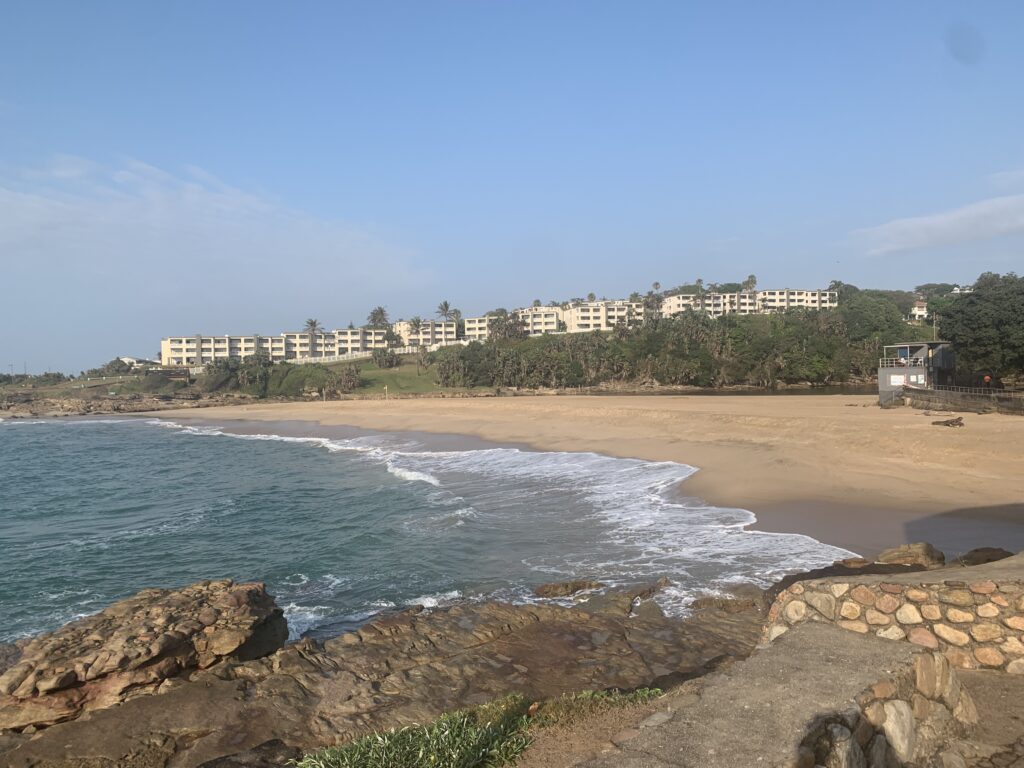
A Rare Visitor on the KZN South Coast: “Porky” the Elephant Seal’s Journey to the Eastern Cape
The KZN South Coast recently became the temporary home of an extraordinary and rare visitor — a young southern elephant seal affectionately known as “Porky.”
His unexpected appearance near Port Shepstone sparked widespread curiosity, excitement, and concern, as marine authorities and conservation experts worked together to ensure his safety and wellbeing.
Now, after careful monitoring and rehabilitation, Porky is on his way to the Eastern Cape, where he will be safely released back into suitable ocean territory to continue his natural journey.
Who Is “Porky” the Elephant Seal?
Porky is a juvenile southern elephant seal, believed to have travelled thousands of kilometres from subantarctic waters near Marion Island and the Southern Ocean.
Southern elephant seals are among the most remarkable marine mammals on Earth. They are known for:
- Deep-diving abilities reaching extreme ocean depths
- Long-distance migrations across the Southern Ocean
- Exceptional endurance in harsh marine environments
Despite his unexpected arrival along the KZN coastline, Porky was found in good body condition, showing no visible signs of injury or illness. His rounded appearance quickly earned him the nickname “Porky.”
Why Elephant Seals Wander So Far
While elephant seals are not common along the KZN coastline, juvenile seals occasionally stray far outside their usual range.
Marine experts suggest several possible reasons:
- Navigational drift during long migrations
- Rest stops during extended ocean travel
- Natural dispersal behaviour in young seals
- Searching for safe haul-out areas
- Ocean current displacement
Although most sightings occur along the Western and Southern Cape, rare appearances along KwaZulu-Natal do happen from time to time.
Disturbance and the Need for Intervention
After hauling out near Port Shepstone, Porky experienced repeated disturbances from beach activity.
This is an important behavioural factor — elephant seals are highly sensitive when resting on land and will often return to the ocean if they feel threatened or stressed.
To protect both the animal and the public, marine authorities made the decision to intervene. With the support of conservation specialists, Porky was safely relocated for monitoring and care.
Temporary Care and Rehabilitation
Porky was transferred to a controlled rehabilitation environment at uShaka Sea World, operated under marine conservation programmes linked to SAAMBR.
Here, he was given:
- A calm recovery space
- Continuous observation by marine specialists
- Standard precautionary veterinary care
As part of established marine wildlife protocols, he also received a routine rabies vaccination, a standard precaution for vagrant seal management internationally.
Preparing for Release in the Eastern Cape
Once stabilised, Porky was prepared for relocation to the Eastern Cape, where conditions are more suitable for his natural movement patterns.
He is expected to be released in the Gqeberha region with assistance from:
- Marine conservation experts
- The Bayworld Museum and Oceanarium
- Seal specialist Dr Greg Hofmeyer
The Eastern Cape coastline has a strong track record of successful seal reintegration, offering safer conditions for young animals to reorient and continue their migration.
A Growing Pattern: Elephant Seals in South Africa
Although still rare, sightings of southern elephant seals along South Africa’s coastline have become more frequent in recent years.
These “ocean wanderers” may come ashore for several reasons:
- Resting during long-distance migrations
- Moulting (shedding skin and fur)
- Recovering from ocean fatigue
- Exploring new haul-out areas
Each sighting provides valuable insight into changing marine movement patterns and the broader Southern Ocean ecosystem.
Why Public Awareness Is Essential
Marine conservation organisations continue to stress the importance of responsible public behaviour when encountering wildlife on beaches.
Key guidelines include:
- Keep a safe distance at all times
- Do not touch, feed, or attempt to move the animal
- Avoid crowding or loud activity nearby
- Keep pets, especially dogs, away from the area
- Report stranded or distressed wildlife immediately
If a stranded marine animal is observed, authorities such as the NSRI or local marine stranding networks should be contacted immediately.
Coordinated Conservation Effort
Porky’s safe relocation was made possible through the combined efforts of multiple organisations and teams, including:
- KZN Marine Stranding Network
- SAAMBR marine specialists – The South African Association for Marine Biological Research https://saambr.org.za
- NSRI rescue coordination teams
- Private security teams assisting with site control (Wolf)
- Veterinary and wildlife professionals
This coordinated response reflects the strength of South Africa’s marine conservation and emergency wildlife systems.
Similar Sightings in South Africa
Porky is part of a small but growing number of elephant seal sightings along South African shores.
Previous cases include:
- Juvenile seals resting along the Western Cape coastline
- Occasional strandings requiring relocation support
- Rare appearances along the Overberg and Cape Agulhas regions
- Isolated sightings extending into KwaZulu-Natal
Most of these events are carefully managed by conservation authorities and rehabilitation centres.
Final Thoughts
Porky’s journey from the KZN South Coast to the Eastern Cape highlights the incredible connectivity of South Africa’s marine ecosystems.
While rare and exciting for the public, such encounters also serve as a reminder of the importance of responsible wildlife interaction and marine conservation awareness.
Thanks to swift coordination between marine experts and response teams, this young traveller now has the best possible chance to continue his remarkable journey back into the Southern Ocean — where he belongs.