
Ultimate 2026 Family Travel Planning Guide: Vacations, Stay Trips & Stress-Free Holidays
Family travel in 2026 is no longer about booking a destination first and figuring everything out later. Modern family holidays are being planned with far more intention — balancing budgets, travel time, age groups, and experiences so that every member of the family actually enjoys the trip.
Whether it’s a long-haul international holiday, a local staycation, or a multi-stop road trip, successful family travel now comes down to smart planning that reduces stress and increases shared experiences.
This guide breaks down how families are planning travel in 2026 — from choosing destinations to building itineraries that actually work in real life.
1. The First Step: Choosing the Right Type of Family Trip
Before booking flights or accommodation, families are now starting with a simple question: What type of holiday do we actually want?
International Family Vacations
Long-haul trips focused on cultural experiences, beaches, wildlife, or adventure.
Popular examples:
- Japan cultural trips
- European coastal holidays
- Thailand beach escapes
- Canada nature holidays
Domestic or Regional Stay Trips (Staycations)
Shorter holidays closer to home designed for rest, recharge, and minimal travel stress.
Typical features:
- 2–5 hour drive radius
- Resorts, lodges, or coastal towns
- Budget-friendly family breaks
Road Trip Holidays
Flexible self-drive itineraries where accommodation changes every few nights.
Common routes:
- Coastal drives
- National park circuits
- Multi-town regional trips
2. The Biggest Shift in 2026: Experience-First Planning
Families are no longer planning holidays around landmarks — they’re planning around experiences.
Instead of rigid sightseeing schedules, travel is now built around:
- Fewer destinations per trip
- Longer stays in each place
- More downtime
- Flexible daily plans
The goal is no longer “see everything,” but “enjoy everything properly.”
3. How Families Are Actually Planning Trips in 2026
Step 1: Define Travel Style
- Relaxation
- Adventure
- Culture
- Nature/wildlife
- Mixed itineraries
Step 2: Match Destination to Family Needs
- Toddlers → short travel + easy logistics
- Kids → activities + interaction
- Teens → adventure + exploration
- Grandparents → comfort + slower pace
Step 3: Set Duration
- 3–5 days → stay trips
- 7–10 days → regional holidays
- 10–21 days → international travel
Step 4: Build Flexible Itinerary
- 2–3 main planned activities
- Free days included
- Optional add-on experiences
4. Accommodation Trends in 2026
Families are prioritising comfort, space, and convenience.
Most popular choices:
- Self-catering apartments and villas
- Family resorts with activities
- Nature lodges and eco-stays
- Multi-room holiday homes
The focus is on space to relax, not just a place to sleep.
5. Budget Planning in 2026
Families are becoming more strategic with spending:
- Book flights early for long-haul trips
- Travel off-peak where possible
- Mix self-catering with dining out
- Reduce internal flights with road trips
- Focus on value per experience
6. The Rise of Stay Trips
Short regional holidays are becoming a key part of family travel.
Why they’re growing:
- No flights required
- Low planning stress
- Affordable frequent breaks
- Easy weekend getaways
Stay trips are now seen as essential “reset breaks” throughout the year.
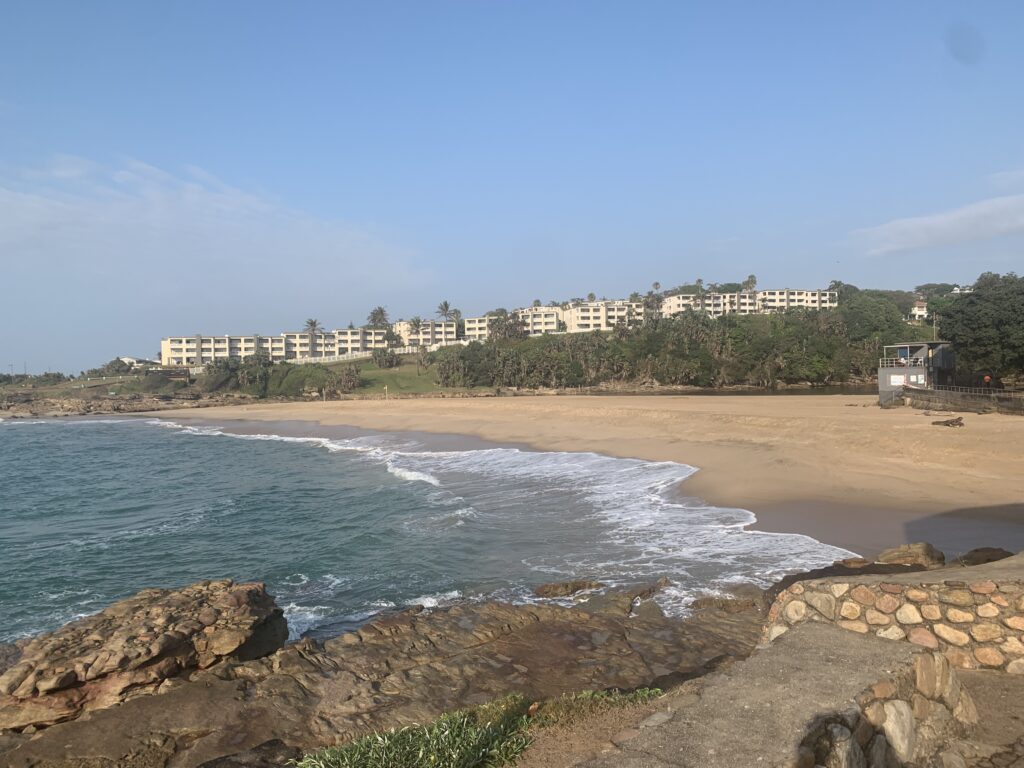
7. The KZN South Coast: South Africa’s Family Stay Trip Hotspot
For South African families — and increasingly international visitors — the KZN South Coast continues to stand out in 2026 as one of the most accessible and rewarding family travel regions in the country.
What makes it especially important in today’s travel landscape is how well it fits the modern “stay trip” lifestyle.
Why families are choosing the KZN South Coast:
- Easy access from Durban and surrounding areas
- Warm, swimmable beaches year-round
- Wide range of family-friendly accommodation
- Relaxed, safe coastal towns and villages
- Nature reserves, lagoons, and outdoor activities
- Strong value compared to larger tourist destinations
From Margate and Uvongo to Ramsgate, Hibberdene, and Port Shepstone, the coastline offers a continuous stretch of family-friendly destinations that work perfectly for both weekend escapes and longer school holidays.
The stay-trip advantage
The KZN South Coast fits perfectly into the global 2026 travel shift toward shorter, more frequent breaks:
- Short driving distance
- Flexible budgeting
- Repeatable holidays throughout the year
- Minimal travel stress
Families are no longer waiting for one big annual holiday — they’re taking multiple coastal breaks instead.
The bigger picture
As global travel moves toward slower, experience-driven holidays, the KZN South Coast reflects the same shift on a local level.
It’s no longer just a holiday destination — it’s becoming a year-round family escape where simplicity, nature, and the ocean take priority.
8. Common Mistakes Families Are Avoiding
- Overpacking itineraries
- Ignoring travel time between destinations
- Booking too many paid activities
- Skipping rest days
Less is now more in family travel planning.
9. The 2026 Family Travel Formula
A simple structure many families now use:
1 destination + 1 base + 2–4 key experiences + flexible days
This keeps travel balanced, affordable, and enjoyable.
Final Thoughts
Family travel in 2026 is about balance — between activity and rest, planning and flexibility, travel and connection.
Whether it’s an international adventure, a road trip, or a quick stay trip, the most successful holidays are the ones that feel effortless once they begin.
And for many families — especially in South Africa — the KZN South Coast is proving that the best travel experiences don’t always require long flights or complicated planning. Sometimes, they’re just a short drive away.