
Whale Watching in South Africa – A Coastal Experience Guide
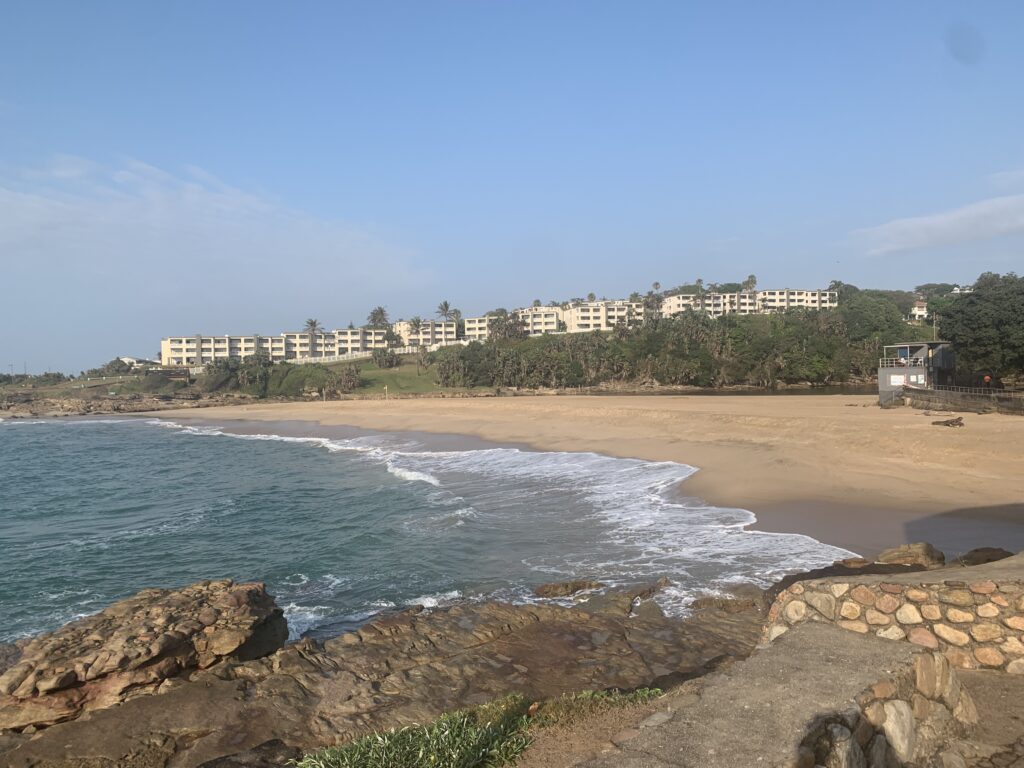
There’s something unforgettable about standing on a South African shoreline in winter — wind rolling in off the Indian or Atlantic Ocean, waves shifting in long sets, and then suddenly… a whale breaks the surface just beyond the surf line.
Slow, powerful, almost unreal.
Whale watching in South Africa isn’t just a safari at sea. It’s something you experience from beaches, cliffs, coffee stops, coastal walks, and quiet viewpoints all along the country’s coastline.
From the KZN South Coast to the Cape Whale Coast, this is one of the world’s most accessible whale watching destinations — where you don’t always need a boat, just time and a good view of the ocean.
When Whale Season Arrives on the South African Coast
Whale season in South Africa generally runs from June through December, with peak sightings between August and October.
This is when the coastline starts to change.
Winter ocean swells bring colder currents, bait fish move closer inshore, and migrating whales follow the coastline as they travel between feeding and breeding grounds.
You don’t always notice the exact moment it begins — but one day you’ll look out and realise the ocean feels more alive.
The Whale Species You’re Likely to See
South Africa’s coastline is a migration highway, and several whale species pass through or spend time along the shore.
Humpback Whales
The most commonly seen along the KZN coastline.
They travel in long migratory routes and are often spotted:
- breaching offshore
- tail slapping at sunrise
- moving in small groups along the coastline
On the South Coast, they often appear during the same period as the Sardine Run, when the ocean becomes a feeding ground for everything moving through it.
Southern Right Whales
More common along the Cape coastline, especially around Hermanus.
They’re slower, heavier, and often come surprisingly close to shore — sometimes visible from cliffs and beaches without binoculars.
They are often seen:
- rolling near the surface
- resting in sheltered bays
- with calves during breeding season
Bryde’s Whales
Less predictable, but present in warmer South African waters.
They tend to stay offshore but can appear along:
- the Garden Route
- parts of KwaZulu-Natal
- deeper coastal channels
Dolphins (The Constant Presence)
While whales steal the spotlight, dolphins are the real everyday storytellers of the South African coast.
On the KZN South Coast especially, dolphins often:
- ride wave lines
- hunt in coordinated pods
- appear alongside sardines during the Sardine Run
Whale Watching on the KZN South Coast
If there’s one place where whale watching feels raw and close to nature, it’s the KwaZulu-Natal South Coast.
This stretch of coastline isn’t about structured viewpoints or tour boats — it’s about everyday coastal life where whales become part of the horizon.
You might spot them while:
- walking early morning beaches in Uvongo
- sitting at a café overlooking the ocean in Ramsgate
- fishing off the rocks in Southbroom
- driving along coastal roads between Margate and Port Edward
During winter, the ocean feels different here. Colder, more active, more unpredictable — and full of movement.
And then there’s the Sardine Run.
When it happens, everything changes.
Whales, dolphins, sharks, gannets, and fish all converge in one of the most dramatic marine feeding events on the planet.
It’s not just whale watching anymore — it becomes full-scale ocean witnessing.
Hermanus – Where the Ocean Meets the Cliffs
On the Western Cape side, Hermanus offers a completely different experience.
Here, whale watching is built into the town itself.
Cliff paths run above deep blue water where whales regularly surface close enough to see detail — sometimes even hear the blow of air as they come up.
People gather along:
- the cliff paths
- lookout points
- coastal cafés
- open grassy viewpoints
And then there are quiet moments where the entire shoreline goes still — and a whale rolls just offshore.
No boat. No effort. Just nature doing what it has done for centuries.
The Garden Route – Long Coastlines and Deep Water Encounters
Between Knysna and Plettenberg Bay, whale watching becomes more spread out and exploratory.
This is a coastline of:
- long beaches
- rocky headlands
- deep ocean drop-offs
- and moving wildlife corridors
You’re just as likely to spot whales from a hiking trail as you are from a boat tour.
The Garden Route feels less like a single destination and more like a continuous stretch of ocean encounters.
What Makes South Africa Special for Whale Watching
What sets South Africa apart isn’t just the whales — it’s the accessibility.
You don’t need:
- expensive safaris
- specialised equipment
- or long boat trips
Instead, you get:
- whales visible from shore
- seasonal predictability
- mixed wildlife events (dolphins + sardines + whales)
- and hundreds of coastal viewpoints
It’s one of the few places in the world where marine wildlife becomes part of everyday scenery.
Best Time of Day for Whale Sightings
While whales can be seen throughout the day, some of the most memorable sightings happen during:
- early morning (calm seas, soft light)
- late afternoon (golden ocean reflections)
- and just after weather shifts
Winter mornings on the KZN South Coast often deliver the clearest ocean visibility — especially after overnight winds settle.
Responsible Whale Watching
One of the most important parts of whale tourism in South Africa is respect for the ocean.
Whether watching from shore or a boat:
- keep distance where required
- avoid disturbing movement patterns
- use licensed operators for tours
- and let the ocean experience unfold naturally
The goal isn’t to chase whales — it’s to witness them.
Final Thoughts – When the Ocean Starts Moving Differently
Whale watching in South Africa isn’t a checklist experience.
It’s not something you tick off and move on from.
It’s those quiet shoreline moments when the ocean suddenly feels alive in a different way — when a dark shape rises just beyond the waves and disappears again into deep water.
On the KZN South Coast, it blends into everyday coastal life — coffee mornings, beach walks, fishing lines, and winter sunlight.
On the Cape coast, it becomes cliffside theatre.
But everywhere, the feeling is the same:
You’re watching something ancient move through modern waters — just offshore, just out of reach, but very much present.
And once you’ve seen it, the ocean never quite looks the same again.