Africa is vast, varied and endlessly rewarding — and for European travellers in 2026 it’s more accessible than ever. Whether you want desert scenery, bucket-list safaris, tropical islands, or cultural city breaks, Africa delivers: often with shorter flight times than other long-haul regions, excellent value, and seasons that complement Europe’s calendar.
This in-depth guide helps Europeans pick the best African destinations, plan flights and routes, understand seasonal windows, and map smart itineraries — from long weekends to multi-week adventures. It finishes with practical advice on visas, health, money, safety and sustainable travel.
Why Africa is a top choice for European travellers in 2026
- Shorter flight times than many long-haul options — Morocco and Egypt are just a few hours away; East and Southern Africa are reachable overnight.
- Winter sun — Africa is an ideal escape from European winter (November–March).
- Diverse experiences — beaches, safaris, deserts, mountains and cultural cities within one trip.
- Good value — many destinations offer excellent service and accommodation for lower cost than similar experiences elsewhere.
- Improved connectivity — more direct routes from London, Paris, Frankfurt, Amsterdam, Madrid and other European hubs.
Search intent note: European travellers often search for “short flights to Africa,” “winter sun from Europe,” “African safari from UK” and “island escapes from Europe”. This guide targets those queries with practical, conversion-ready information.
Quick flight guide: which African region from Europe?
- North Africa (Morocco, Egypt, Tunisia): 3–5 hours direct from most Western European hubs — perfect for short breaks and city escapes.
- Canary & Cape Verde islands: 4–6 hours — excellent for winter sun.
- East Africa (Kenya, Tanzania): ~8–10 hours direct (or one-stop) — ideal for safaris + beach combos.
- Southern Africa (South Africa, Namibia): 10–12 hours direct to Johannesburg/Cape Town from major hubs; good for longer trips.
- Indian Ocean islands (Mauritius, Seychelles): 10–12 hours (often with one stop) — luxury beaches and marine life.
- West Africa (Cape Verde): 5–6 hours direct from parts of Europe — growing in popularity for winter sun.
Best destinations by interest (and why you should go)
1. Morocco — city culture, desert and coast (quick & varied)
Why go: Marrakech for markets and riads, Atlas Mountains for trekking, Sahara for dune camps, Essaouira/Agadir for coastal escapes.
Best for: Cultural short breaks (3–7 days), winter escapes from Europe.
Flight time: 3–4 hours from London/Paris/Madrid.
2. Egypt — ancient history + Red Sea diving
Why go: Pyramids, Luxor temples, Nile cruises, then relax in Hurghada/Sharm for diving.
Best for: History lovers and winter sun seekers.
Flight time: 4–5 hours direct from many European cities.
3. Kenya — classic safari + coastline
Why go: Maasai Mara, Amboseli, and Diani Beach extension. Well-developed safari tourism.
Best for: First-time safari travellers, photographers.
Flight time: ~8–9 hours or one-stop options from Western Europe.
4. Tanzania & Zanzibar — legendary safaris & island chill
Why go: Serengeti migration, Ngorongoro Crater, then Zanzibar’s beaches and Stone Town.
Best for: Combined safari + beach honeymoons.
Flight time: ~8–10 hours.
5. South Africa — diverse, convenient, and easy to combine
Why go: Cape Town scenery, Winelands, Garden Route drives, Kruger safaris, and the family-friendly KZN South Coast for warm beaches and tidal pools.
Best for: Multi-region trips; families and self-drive lovers.
Flight time: 10–12 hours to Johannesburg/Cape Town.
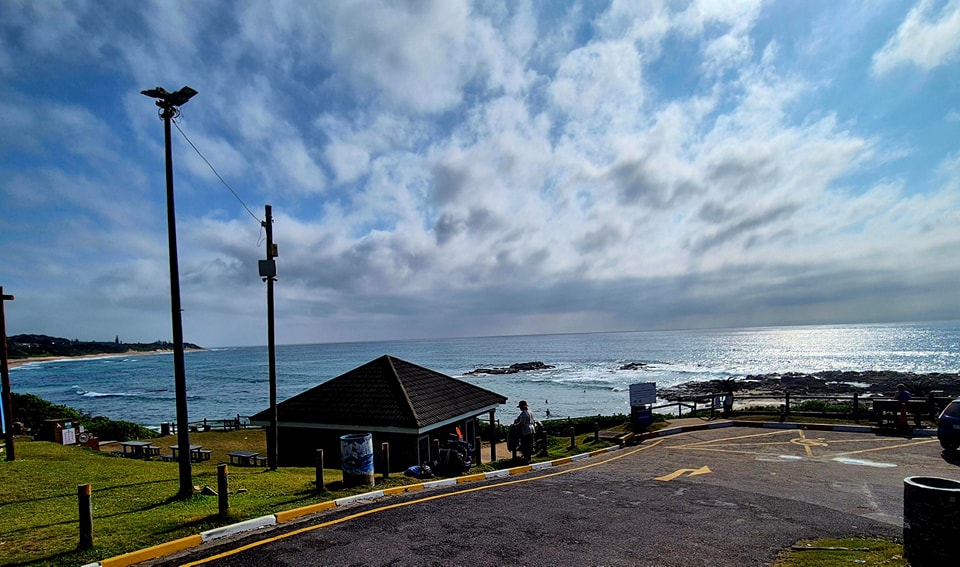
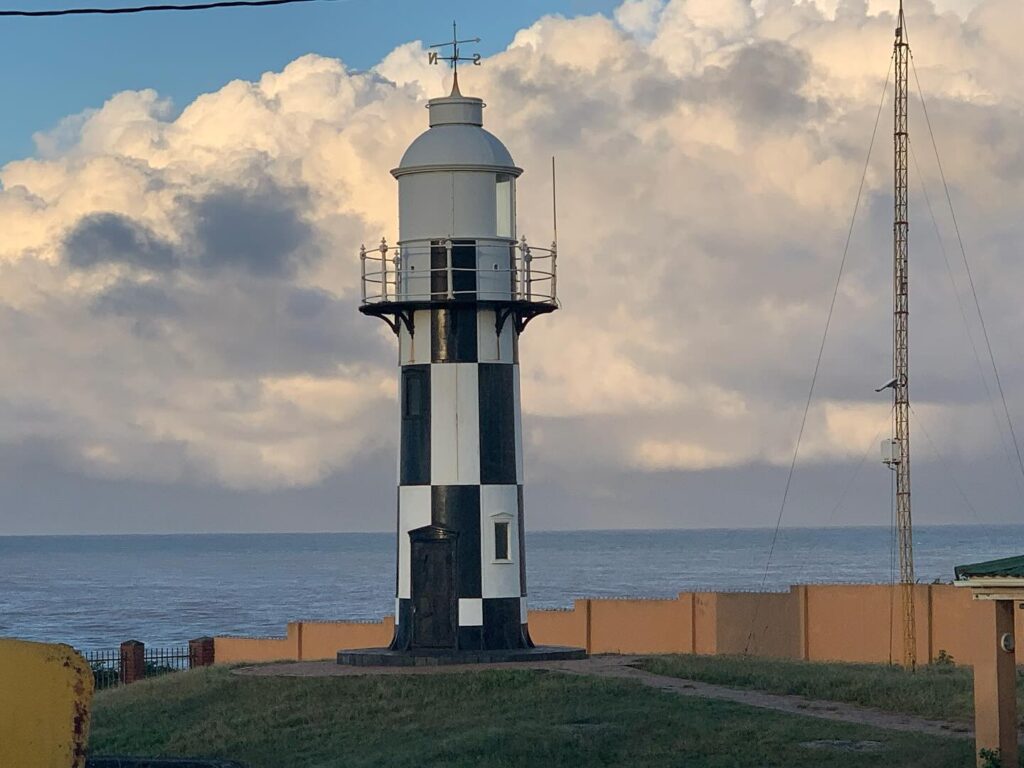
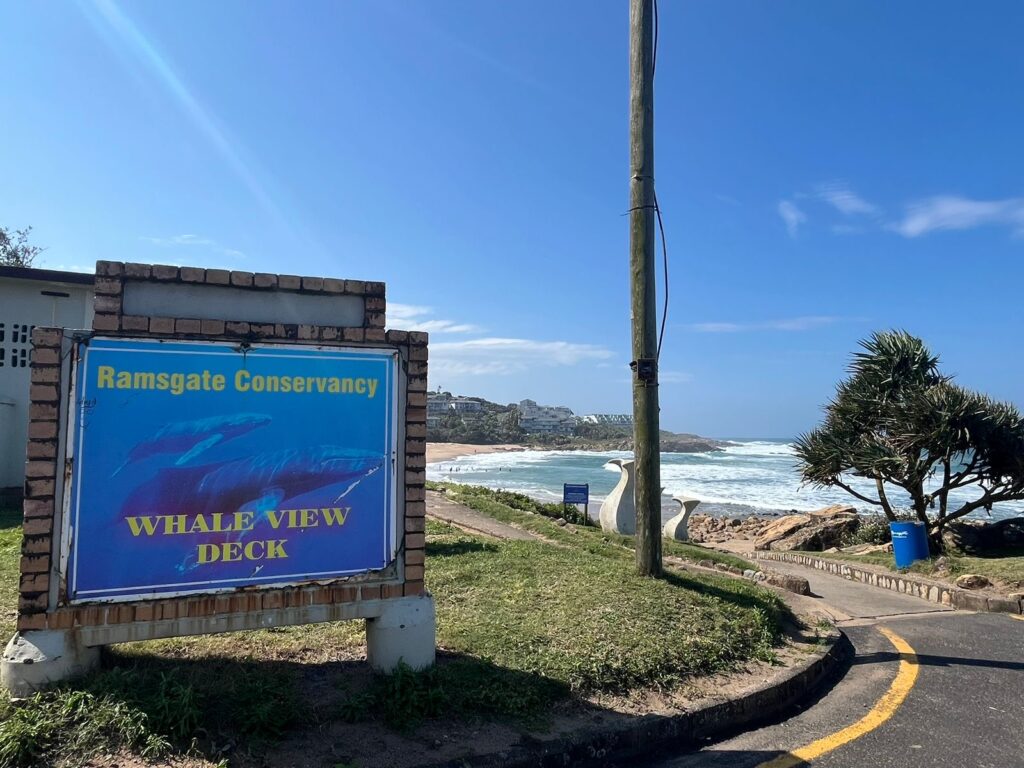
KZN South Coast spotlight: If you want relaxed beach time after a safari or city stopover, the KZN South Coast is a superb, accessible option — warm Indian Ocean waters, tidal pools for families, and boutique coastal towns for romance and slow travel.
6. Namibia — dramatic deserts & photography
Why go: Sossusvlei dunes, Skeleton Coast, Etosha wildlife. A road-trip paradise.
Best for: Photographers, remote travel experiences.
Flight time: ~10–12 hours (often via Johannesburg).
7. Mauritius & Seychelles — island luxury and marine life
Why go: Luxury resorts, snorkeling, diving and white-sand beaches — ideal for couples and relaxing holidays.
Best for: Honeymoons, luxury beach escapes.
Flight time: ~10–12 hours (often one stop).
8. Cape Verde — compact island escapes
Why go: Shorter flight times for Europeans, relaxed culture and winter sun.
Best for: Affordable island holidays, kitesurfing and music lovers.
Flight time: ~4–6 hours from many European hubs.
Best time to go — quick seasonal map for Europeans
- Northern Africa (Morocco, Egypt): Spring (Mar–May) and autumn (Sep–Nov) best; winter is mild for city travel.
- East Africa (Kenya, Tanzania): Dry season (Jun–Oct) for safaris; short rains Nov–Dec make for greener landscapes.
- Southern Africa (South Africa, Namibia): South Africa: summer (Nov–Mar) for coastal beach weather; winter (May–Sep) best for Kruger safaris. Namibia: dry season (May–Oct) best for game and dune photographs.
- Indian Ocean Islands: April–November often best for weather and calmer seas.
- Cape Verde: November–April for winter sun.
Tip: For combined trips (safari + beach), aim for dry season in safari land and then move to coastal/Indian Ocean islands for relaxation.
Sample itineraries (by trip length)
Long weekend (4 days) — North Africa or Cape Verde
- Fly out Friday night, explore Marrakech day one, Atlas day two, return Sunday night.
- For Cape Verde: beach, water sports, and island culture with minimal travel fatigue.
10–12 days — Safari + Beach (Kenya or Tanzania)
- 3–4 days safari in Maasai Mara/Serengeti → 4–6 days on Diani Beach/Zanzibar.
- Perfect balance of adrenaline and rest.
Two-week trip — South Africa highlights
- Cape Town (4 days), Winelands (1 day), Garden Route drive (3 days), Kruger (3 days) or KZN South Coast (3 days) for a mixed experience.
3-week trip — Southern Africa road trip
- Namibia (Sossusvlei + Etosha) into Cape Town and Garden Route; slower pace and photogenic landscapes.
Practical planning: visas, health, money & connectivity
- Visas: Check each country’s entry rules well ahead. EU/UK passport holders can get visas on arrival in some countries; others require pre-travel e-visas.
- Vaccinations & health: Yellow fever certificate may be required for some transits; malaria prophylaxis recommended for safari zones (consult a travel clinic). COVID rules have largely relaxed but check airline & country requirements.
- Money: Cash and cards accepted widely in tourist areas, but carry local currency for markets and smaller towns. Notify your bank before travel.
- Connectivity: Buy local SIMs for data (good coverage in towns and safari lodges often have Wi-Fi). Consider an international roaming plan for peace of mind.
Sustainable & respectful travel: quick checklist
- Choose certified eco-friendly lodges and operators (look for community involvement and conservation policies).
- Respect local customs and dress codes, especially in North Africa and conservative regions.
- Support local businesses — dine locally, buy crafts from artisans.
- Minimise single-use plastics and pack reusable items.
- For safaris, follow guides’ rules to avoid disturbing wildlife.
Packing essentials for Europe → Africa trips
- Layered clothing (for varied climates)
- Lightweight, neutral-coloured safari clothes + hat
- Swimwear and reef-safe sunscreen for island/beach stays
- Comfortable walking shoes and sandals
- Travel adaptor, power bank, basic medical kit
- Copies of travel documents and digital backups
Top experiences you shouldn’t miss
- Witness the Great Migration (Kenya/Tanzania, timing dependent)
- Climb or view Mount Kilimanjaro from afar (Tanzania)
- Sleep in a desert camp under the stars (Morocco/Namibia)
- Snorkel with whale sharks or diving in Mozambique/Tofo/Zanzibar
- Sip wines in Stellenbosch and Cape Winelands (South Africa)
- Walk historic Stone Town and explore spice farms (Zanzibar)
Add the KZN South Coast to your African itinerary
If you’re planning a South Africa trip, don’t skip the KZN South Coast — perfect as a beach extension after Kruger or Cape Town. Think tidal pools, safe family beaches, boutique stays, seafood and the laid-back coastal atmosphere that makes Africa feel like a holiday.
Plan a weekend or a few days on the KZN South Coast: it’s easy to reach, excellent value, and ideal for rounding out your African adventure.
Suggested cluster posts (for SEO and content marketing)
Use these to build internal links from the pillar page:
- “Best Winter Sun Islands from Europe: Mauritius vs Seychelles vs Zanzibar”
- “Kenya Safari + Beach: A 10-Day African Itinerary”
- “KZN South Coast: 48-Hour Romantic Itinerary”
- “What to Pack for a Safari from Europe (Seasonal Checklist)”
- “Visa & Health Guide: Travelling from Europe to Africa in 2026”
FAQs (high-value search queries)
Q: What is the easiest African country to visit from Europe?
A: Morocco — short flights from Europe, well-developed tourism and visa ease make it the most accessible.
Q: When is the best time to go on safari?
A: Dry season (typically June–October) offers the best game viewing in most East and Southern African parks.
Q: Can I combine safari and beach in one trip?
A: Absolutely — Kenya/Tanzania and South Africa are perfect for combining wildlife and coastal relaxation.
Q: Are African destinations safe for solo travellers?
A: Many African destinations are solo-traveller friendly — common sense, local guidance, and choosing reputable operators are key.