Tourism in South Africa Explained
South Africa is often called the Rainbow Nation, and for good reason. Its diversity — from landscapes and wildlife to cultures and experiences — makes it one of the world’s top tourist destinations. Tourism in South Africa is a vital part of the country’s economy, offering opportunities for adventure, relaxation, culture, and wildlife encounters.
This guide explains the key aspects of South African tourism, highlighting what makes the country so special for travellers from around the world.
1. Why South Africa is a Top Tourist Destination
South Africa attracts millions of visitors annually due to its unique blend of nature, culture, and adventure. Key highlights include:
- Diverse Landscapes: From the iconic Table Mountain in Cape Town to the rolling vineyards of the Winelands and the rugged Drakensberg Mountains, South Africa has a landscape for every type of traveller.
- Wildlife and Safari Experiences: Home to the Big Five (lion, elephant, buffalo, leopard, and rhinoceros), South Africa offers world-class safari experiences in parks such as Kruger National Park, Addo Elephant Park, and Hluhluwe-iMfolozi.
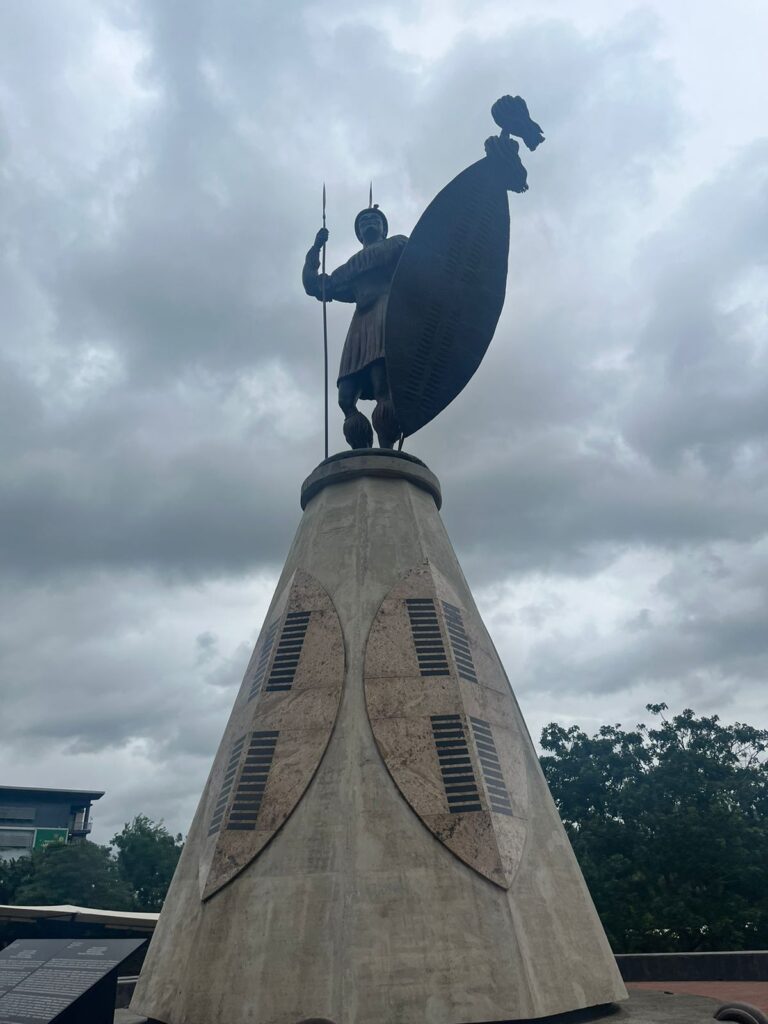
- Rich Culture and History: Visitors can explore diverse cultures, traditional villages, and heritage sites like Robben Island, Apartheid Museum, and Mapungubwe National Park.
- Adventure Tourism: South Africa is an adventure lover’s paradise, offering bungee jumping, shark cage diving, paragliding, hiking, and water sports.
2. Key Types of Tourism in South Africa
A. Nature and Wildlife Tourism
Safari and wildlife tourism are arguably the most famous aspects of South African tourism. Popular destinations include:
- Kruger National Park: The largest game reserve in South Africa, offering safaris and luxury lodges.
- Addo Elephant Park: Famous for large elephant populations and excellent wildlife viewing.
- Hluhluwe-iMfolozi Park: Known for rhino conservation and Big Five sightings.
Wildlife tourism also includes marine life experiences like whale watching in Hermanus and dolphin spotting along the KwaZulu-Natal coast.
B. Cultural and Heritage Tourism
South Africa’s rich history attracts cultural tourists who want to explore the country’s heritage:
- Apartheid and History Museums: Visitors learn about South Africa’s journey from segregation to democracy.
- Traditional Villages and Cultural Experiences: Townships and rural villages offer insights into local customs, music, and cuisine.
- Festivals and Events: From the Cape Town Minstrel Carnival to heritage days in KwaZulu-Natal, cultural tourism is vibrant year-round.
C. Adventure Tourism
South Africa’s varied landscapes make it ideal for adventure tourism:
- Bungee Jumping: Bloukrans Bridge in the Eastern Cape is one of the highest in the world.
- Shark Cage Diving: Gansbaai and Mossel Bay offer thrilling encounters with great white sharks.
- Hiking and Climbing: Table Mountain, Drakensberg, and the Cederberg Mountains provide world-class trails.
- Water Sports: Surfing in Jeffrey’s Bay, kayaking, and kite surfing along the coast.
D. Coastal and Beach Tourism
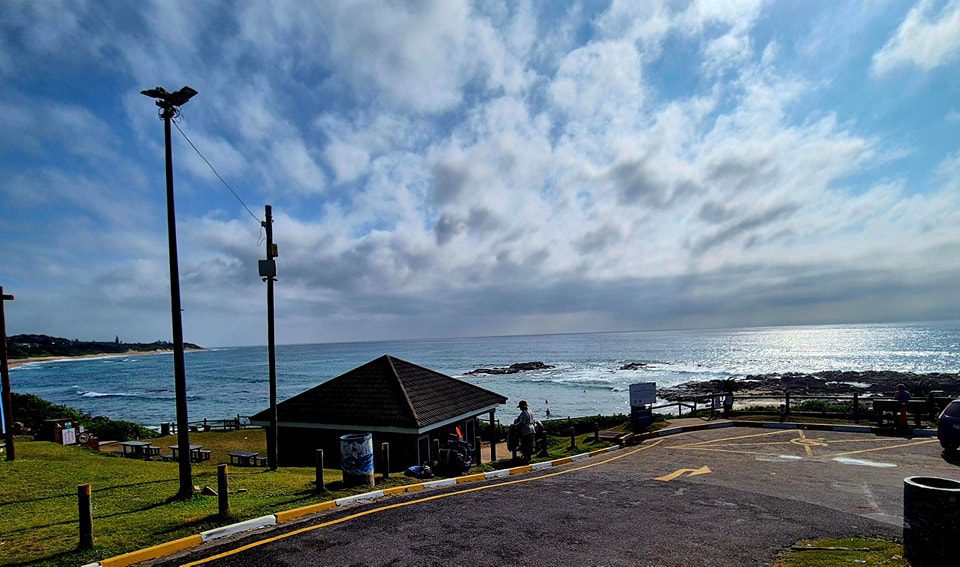
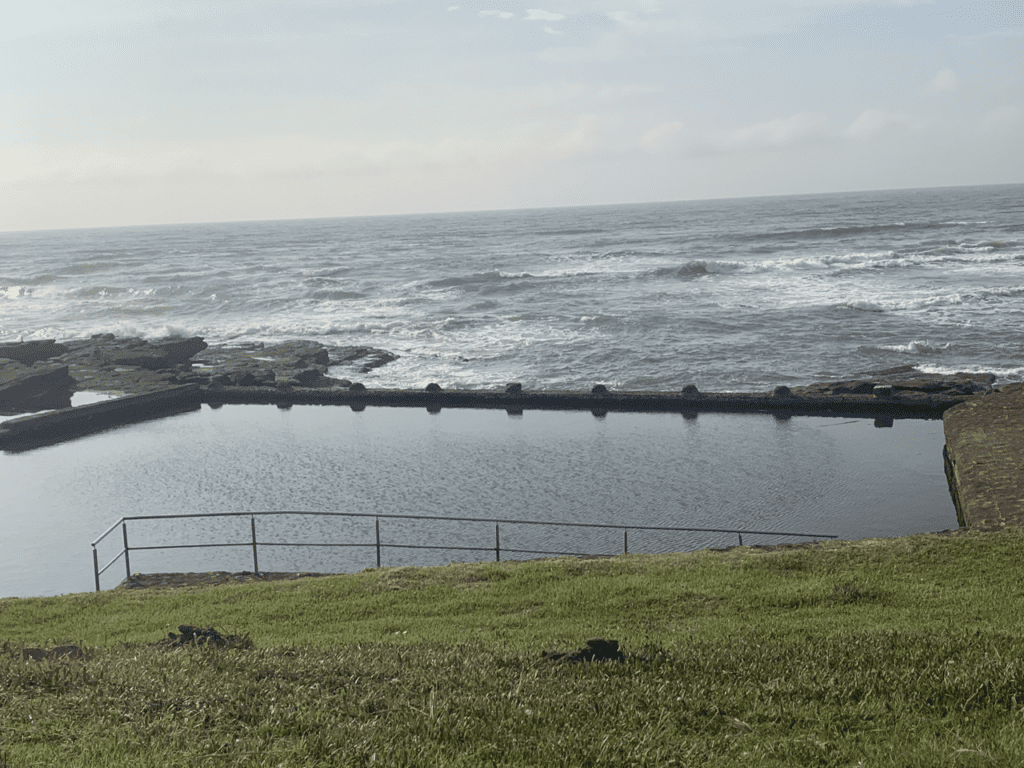
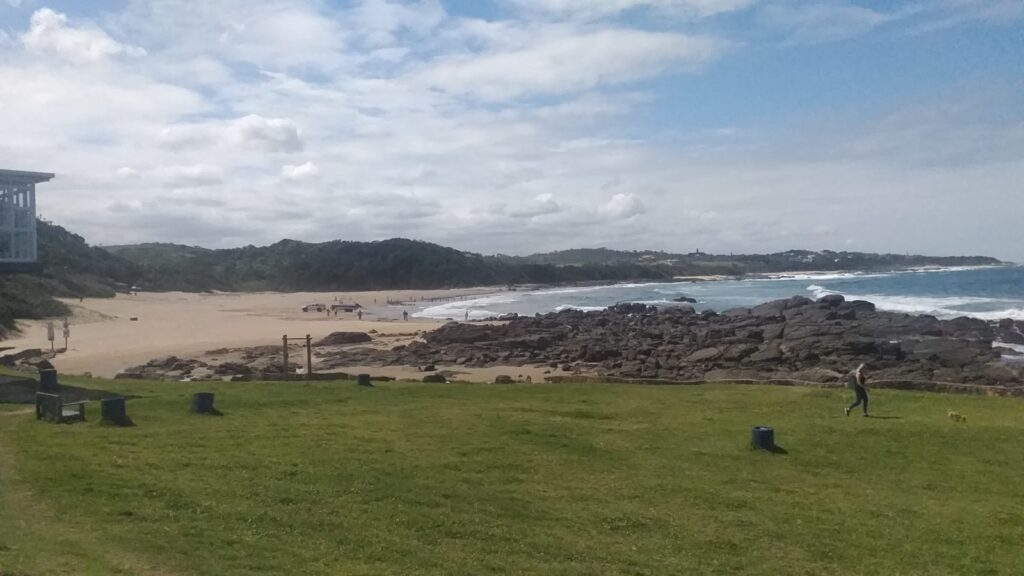
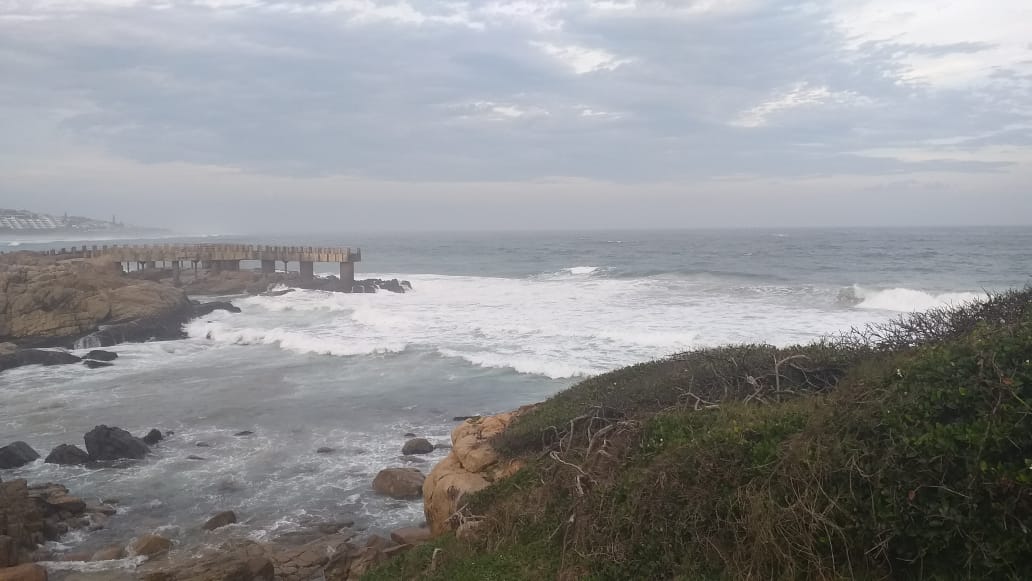
South Africa’s coastline stretches over 2,500 km, offering stunning beaches and seaside resorts:
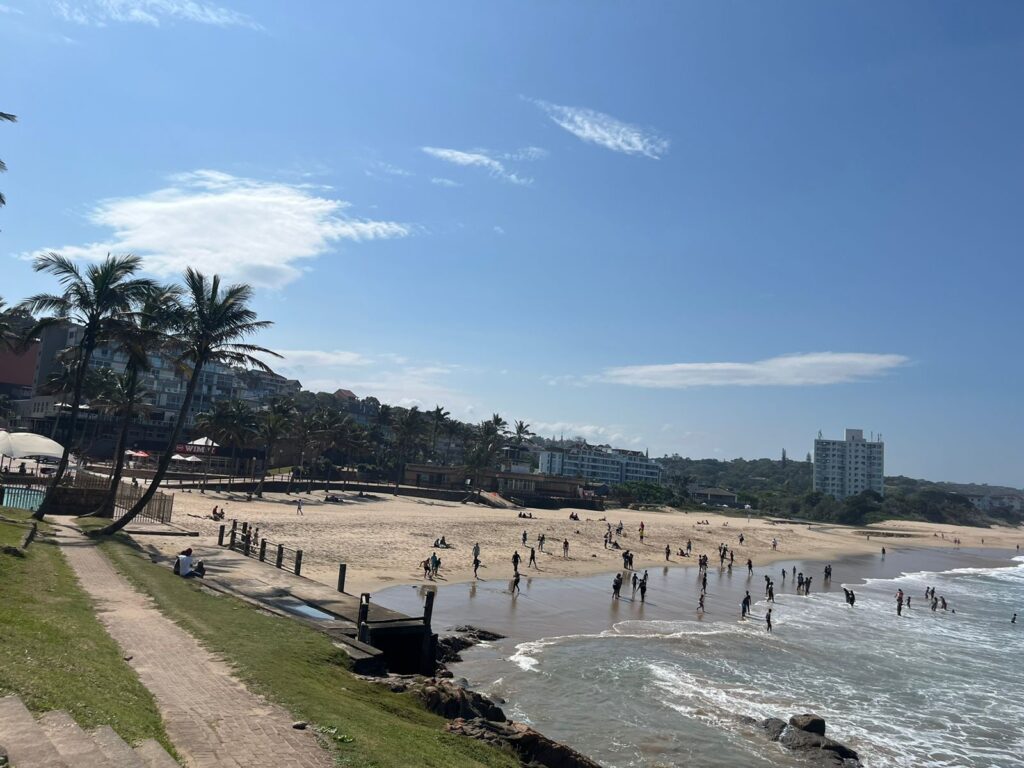
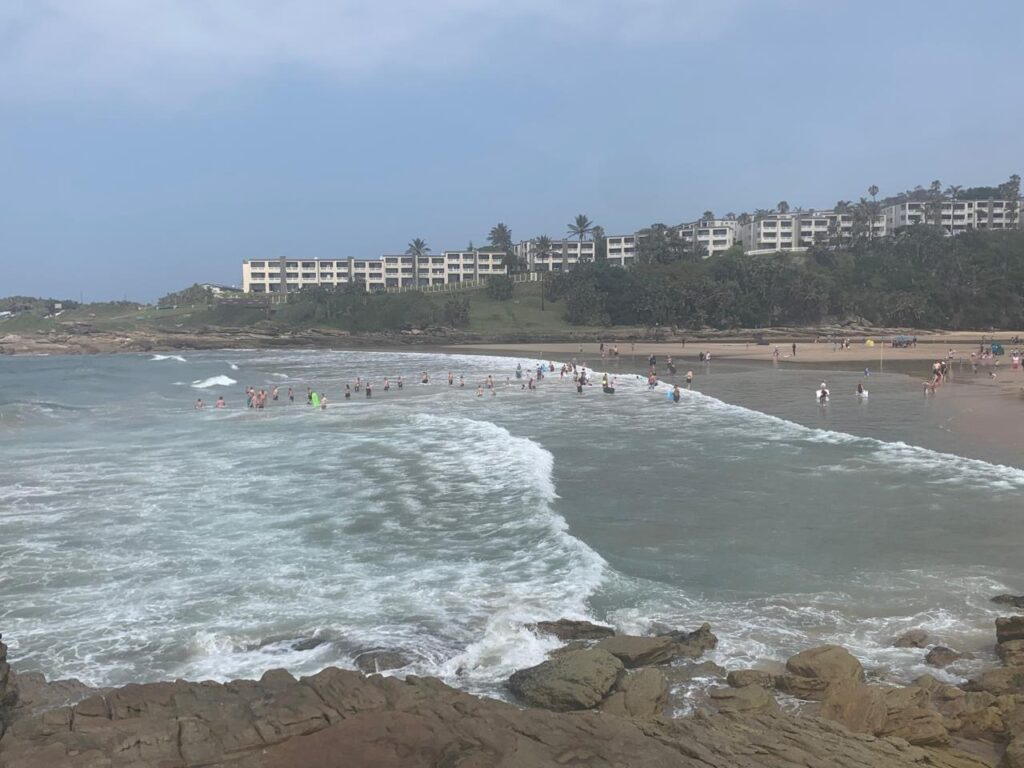
- KwaZulu-Natal South Coast: Popular for family holidays and tropical beaches.
- Cape Town and Western Cape: Offers iconic beaches like Clifton, Camps Bay, and Muizenberg.
- Garden Route: Combines coastal towns with scenic drives and water activities.
E. Wine and Culinary Tourism
The Western Cape is famous for its vineyards and wine estates, offering wine tasting, gourmet dining, and scenic vineyard tours:
- Stellenbosch, Franschhoek, and Paarl: World-renowned wine regions.
- Food Experiences: South Africa offers diverse cuisine, from traditional braais to contemporary fusion dishes.
3. Tourism Infrastructure in South Africa
South Africa has a well-developed tourism infrastructure, making travel accessible and convenient:
- Air Travel: International airports in Johannesburg, Cape Town, and Durban connect to major global cities.
- Road Network: Well-maintained highways and scenic routes like the Garden Route.
- Accommodation: From luxury lodges and hotels to backpacker hostels and self-catering cottages.
- Tour Operators: Experienced guides and safari operators ensure safe and immersive experiences.
4. Economic Importance of Tourism
Tourism is a critical contributor to South Africa’s economy:
- Provides jobs in hospitality, transportation, tour operations, and wildlife conservation.
- Generates foreign exchange and supports small businesses in coastal towns, villages, and cities.
- Encourages conservation efforts through national parks and wildlife reserves.
5. Five Key Benefits of Tourism in South Africa
Tourism in South Africa not only offers unforgettable experiences for visitors but also provides significant benefits for the country:
1. Economic Growth
Tourism generates revenue for South Africa, contributing to the GDP and supporting local businesses, including hotels, restaurants, transport services, and attractions.
2. Employment Opportunities
Tourism provides millions of jobs, from hospitality and tour guiding to safari operations, cultural experiences, and wildlife conservation.
3. Infrastructure Development
Tourism drives investment in airports, roads, accommodations, and recreational facilities, benefiting both tourists and local communities.
4. Cultural Exchange and Preservation
Tourism encourages cross-cultural learning. Visitors experience South Africa’s diverse heritage, while local communities preserve and showcase their traditions, music, and cuisine.
5. Wildlife and Environmental Conservation
Revenue from tourism supports national parks, wildlife reserves, and eco-lodges, helping protect endangered species and natural habitats for future generations.
6. Safety and Travel Tips for Visitors
While South Africa offers incredible experiences, safety is an important consideration:
- Travel in groups when possible and avoid isolated areas at night.
- Use accredited tour operators for safaris, adventure activities, and excursions.
- Follow local advice on road conditions, wildlife encounters, and beach safety.
- Secure valuables and be cautious in urban areas.
7. Popular Tourist Regions in South Africa
A. Gauteng
- Johannesburg and Pretoria are cultural and business hubs.
- Attractions include museums, art galleries, and heritage sites.
B. Western Cape
- Cape Town offers Table Mountain, beaches, and wine estates.
- The Garden Route provides scenic drives, coastal towns, and adventure activities.
C. KwaZulu-Natal
- Durban and the South Coast provide beaches, cultural experiences, and wildlife excursions.
- The Drakensberg Mountains are perfect for hiking and adventure.
D. Eastern Cape
- The Wild Coast is known for rugged beaches and unspoiled landscapes.
- Addo Elephant Park is a key wildlife destination.
E. Northern Cape
- Known for desert landscapes, the Kgalagadi Transfrontier Park, and the Augrabies Falls.
F. Mpumalanga and Limpopo
- Famous for Kruger National Park, scenic drives, and safari lodges.
8. Sustainable Tourism in South Africa
Sustainability is increasingly important for travellers and operators:
- Eco-Friendly Lodges: Many lodges and hotels adopt green practices.
- Wildlife Conservation: National parks and private reserves protect endangered species.
- Community Involvement: Tourism supports local communities, offering employment and cultural preservation.
Sustainable tourism ensures South Africa’s natural and cultural heritage is preserved for future generations.
9. How to Plan Your South African Adventure
- Decide Your Focus: Wildlife, beaches, adventure, culture, or a combination.
- Choose the Right Time: Summer (December–February) for beaches and festivals, winter (May–August) for wildlife viewing.
- Book Accommodation Early: Popular lodges and resorts fill up fast during peak season.
- Use Local Experts: Guides and operators enhance safety and provide insider knowledge.
- Mix Experiences: Combine safari, city, cultural, and coastal experiences for a complete South African adventure.
10. Frequently Asked Questions (FAQ)
Q: What is South Africa most famous for in tourism?
A: Wildlife safaris, the Big Five, beaches, cultural heritage, adventure activities, and wine regions.
Q: Is South Africa safe for tourists?
A: Yes, with proper planning, awareness, and the use of accredited operators, South Africa is safe for travellers.
Q: What is the best time to visit South Africa?
A: It depends on your focus:
- Wildlife: May–September (dry season)
- Beaches: December–February (summer)
- Wine & Adventure: Year-round, depending on location
Q: Can I combine adventure and relaxation in South Africa?
A: Absolutely. For example, combine a safari in Kruger with beach time on the South Coast.
Q: How developed is tourism infrastructure in South Africa?
A: South Africa has modern airports, hotels, roads, and tour operators, making travel convenient and accessible.
Conclusion
Tourism in South Africa offers diversity, adventure, culture, and natural beauty. From the iconic wildlife safaris in Kruger to sun-soaked beaches along the South Coast, the country provides experiences for every traveller. Adventure enthusiasts, nature lovers, and cultural explorers alike can find unforgettable memories in the Rainbow Nation.
With careful planning, sustainable practices, and local guidance, South Africa continues to be a world-class destination, welcoming millions of travellers each year. Whether you seek the thrill of a safari, the serenity of coastal sunsets, or the richness of heritage sites, South Africa delivers an experience like no other.