
South Africa Travel Guide : Everything You Need to Know Before Exploring the Rainbow Nation
South Africa is one of the world’s most diverse and rewarding travel destinations. From golden coastlines and wildlife-rich safari parks to dramatic mountain ranges, coastal towns, and vibrant cities, the country offers an unmatched variety of experiences in a single journey.
Whether you are planning a family holiday, romantic escape, road trip adventure, or a relaxed coastal break, this South Africa Travel Guide provides the essential insights you need to travel confidently, safely, and efficiently.
This guide places special focus on coastal travel, particularly KwaZulu-Natal’s shoreline, while also covering key inland and safari regions.
Why Travel to South Africa?
South Africa stands out globally for its extraordinary diversity. Travellers can experience multiple landscapes, cultures, and activities without crossing continents.
Key highlights include:
- World-class beaches and marine life
- Big Five safari destinations
- UNESCO-listed mountain ranges
- Cultural and historical heritage sites
- Wine regions and culinary experiences
- Scenic coastal and inland road trips
- Adventure tourism, surfing, hiking, and diving
Few destinations combine natural beauty, wildlife, and modern tourism infrastructure in such close proximity.
Best Regions to Explore in South Africa
1. KwaZulu-Natal South Coast (Coastal Focus)
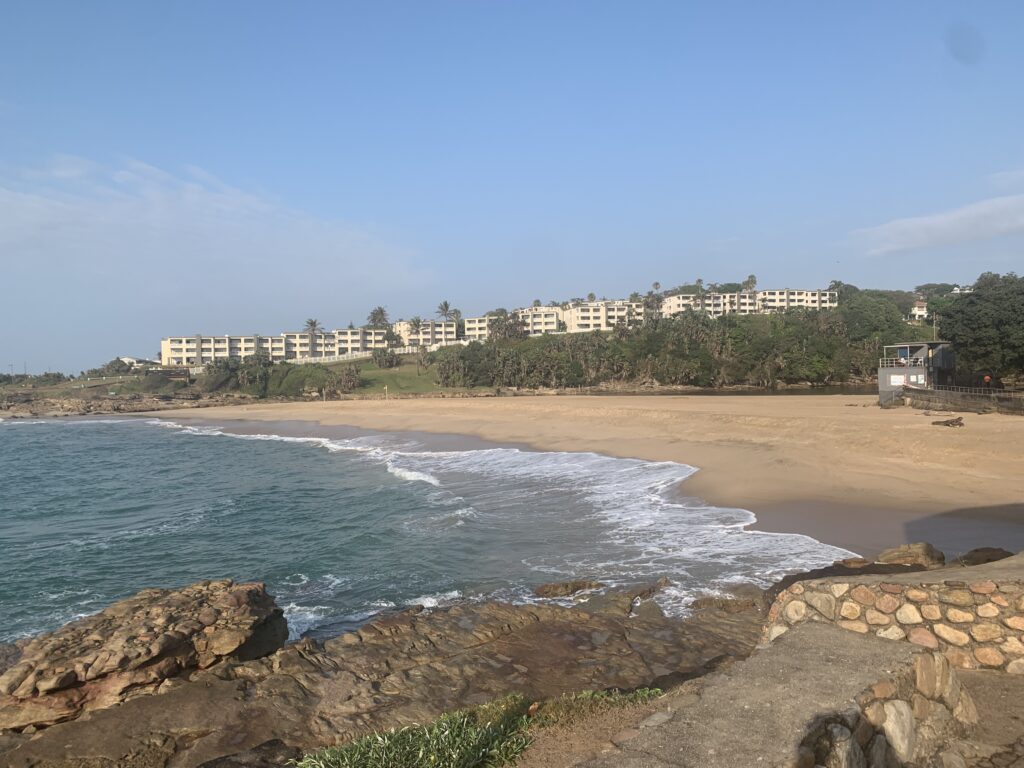
The KwaZulu-Natal South Coast is one of South Africa’s most accessible and family-friendly holiday regions, known for its warm Indian Ocean waters and year-round tropical climate.
Key experiences include:
- Blue Flag beaches
- Safe swimming and surfing spots
- Coastal forests and nature reserves
- Whale and dolphin viewing opportunities
- Relaxed beach towns and holiday villages
- Fishing, diving, and water sports
This region is ideal for families and travellers seeking a laid-back coastal escape with reliable weather and warm sea temperatures throughout the year.
2. Cape Town and the Western Cape
One of the world’s most iconic cities, Cape Town offers a combination of natural beauty and urban sophistication.
Highlights include:
- Table Mountain and coastal viewpoints
- Wine routes and vineyards
- Penguin colonies and scenic beaches
- World-class restaurants and cultural attractions
- Adventure activities including hiking and paragliding
3. Garden Route
The Garden Route is a scenic stretch of coastline and forest landscapes, perfect for road trips.
Expect:
- Forest hikes and lagoon systems
- Coastal towns and viewpoints
- Adventure activities such as bungee jumping and kayaking
- Wildlife parks and nature reserves
4. Kruger National Park and Surrounding Reserves
South Africa’s premier safari destination offers some of the best wildlife viewing in the world.
Key experiences:
- Big Five game drives
- Luxury safari lodges
- Guided bush walks
- Photographic safaris
5. Drakensberg Mountains
A UNESCO World Heritage Site, the Drakensberg is perfect for outdoor and adventure travel.
Highlights include:
- Hiking and mountain trails
- Dramatic cliff formations
- Waterfalls and rock art sites
- Peaceful nature escapes
South Africa’s Climate and Best Time to Visit
South Africa offers year-round travel opportunities, but climate varies by province.
- KwaZulu-Natal (e.g., South Coast): Hot summers, mild winters, warm sea temperatures year-round
- Western Cape: Mediterranean climate with winter rainfall
- Interior regions: Hot summers and cooler, dry winters
Best travel periods:
- Beach holidays: Year-round in KwaZulu-Natal
- Cape Town: October to April
- Safari regions: Dry winter months (May to September)
Transport and Getting Around South Africa
Driving
Self-driving is the most effective way to explore South Africa.
Tips for safe travel:
- Avoid long-distance driving at night
- Keep valuables out of sight
- Plan fuel stops in advance
- Use GPS navigation for accuracy
Domestic Flights
Major cities such as Johannesburg, Durban, and Cape Town are well connected by frequent domestic flights, making multi-destination travel easy.
Beach and Water Safety
South Africa offers exceptional beaches, but safety awareness is essential.
Guidelines include:
- Swim only at lifeguard-protected beaches
- Follow beach flag warnings
- Avoid swimming alone
- Be cautious of rip currents
- Stay within designated swimming areas
The KwaZulu-Natal South Coast features multiple Blue Flag beaches, known for high safety standards, cleanliness, and professional lifeguard services.
Wildlife and Nature Safety
South Africa’s natural environments are best enjoyed responsibly.
Best practices:
- Never feed wild animals
- Stay inside vehicles during safaris
- Keep a safe distance from wildlife
- Use designated hiking trails
- Respect conservation areas and regulations
Coastal nature reserves along the South Coast offer safe and accessible outdoor experiences for families and casual explorers.
Food, Culture, and Local Experiences
South Africa’s cultural diversity is reflected in its food, traditions, and local experiences.
Travellers should explore:
- Coastal seafood restaurants and cafés
- Local markets and craft stalls
- Cultural and heritage museums
- Outdoor festivals and food events
- Beachfront dining experiences
The KwaZulu-Natal South Coast is especially known for relaxed beachfront dining and scenic coastal cafés.
Digital Travel and the Role of Online Resources
Modern travel planning is increasingly digital-first. Travellers now rely on online platforms for verified and up-to-date information before visiting destinations.
Digital travel resources help provide:
- Accurate beach and safety information
- Accommodation and destination guides
- Local attractions and town insights
- Event updates and travel inspiration
- Conservation and Blue Flag beach data
Platforms such as the Explore Network and South Coast Explore play an important role in improving access to reliable regional travel information.
Travelling South Africa in 2026
By 2026, South African travel is expected to become even more digitally connected, experience-driven, and regionally integrated.
Key trends include:
1. Hyper-local travel guides
Travellers will rely more on detailed, location-specific content covering beaches, towns, and attractions.
2. Integrated travel routes
Coastal and inland regions will be connected through structured travel networks and itinerary planning tools.
3. Visual-first travel decision making
Drone footage, reels, and photography will increasingly influence destination choices.
4. Local business visibility
Small businesses and regional experiences will gain stronger exposure through digital tourism platforms.
5. Curated travel itineraries
Pre-planned journeys such as coastal road trips, nature routes, and food trails will become more popular.
The Explore Network continues to position itself as a growing digital ecosystem supporting South African tourism discovery.
Top Travel Tips for South Africa
- Keep digital and physical copies of documents
- Use navigation apps when travelling by car
- Book accommodation through verified platforms
- Stay alert in busy urban areas
- Respect local communities and cultures
- Stay hydrated and wear sun protection
- Research beaches and safety conditions before visiting
- Consider travel insurance for added protection
South Africa remains a welcoming destination when travellers follow standard safety awareness practices.
FAQ: South Africa Travel Guide
1. Is South Africa safe for tourists?
Yes. Millions of tourists visit each year. Like any destination, awareness and basic precautions are recommended, especially in urban areas.
2. What is the best time to visit South Africa?
It depends on the region. KwaZulu-Natal is warm year-round, while Cape Town is best from October to April.
3. Do I need a car to travel South Africa?
Yes, for most regions. A car provides flexibility and access to coastal towns, reserves, and scenic routes.
4. Are South African beaches safe?
Many beaches are safe, especially those with lifeguards. Always follow local safety signage and flag systems.
5. What should I pack for South Africa?
Light clothing, sunscreen, hats, comfortable walking shoes, insect repellent, and swimwear for coastal regions.
6. Is tap water safe to drink?
In most cities and towns, yes. Rural areas may vary, so bottled water is sometimes recommended.
7. Why is digital travel planning important in South Africa?
It helps travellers access updated, reliable information and discover destinations more efficiently.