How to Protect Vulnerable Sea Turtles on the KZN South Coast
The KwaZulu-Natal South Coast is home to some of South Africa’s most beautiful beaches and an incredible variety of marine life. Among the most fascinating visitors to these shores are sea turtles — ancient ocean travellers that have been navigating the world’s oceans for millions of years.
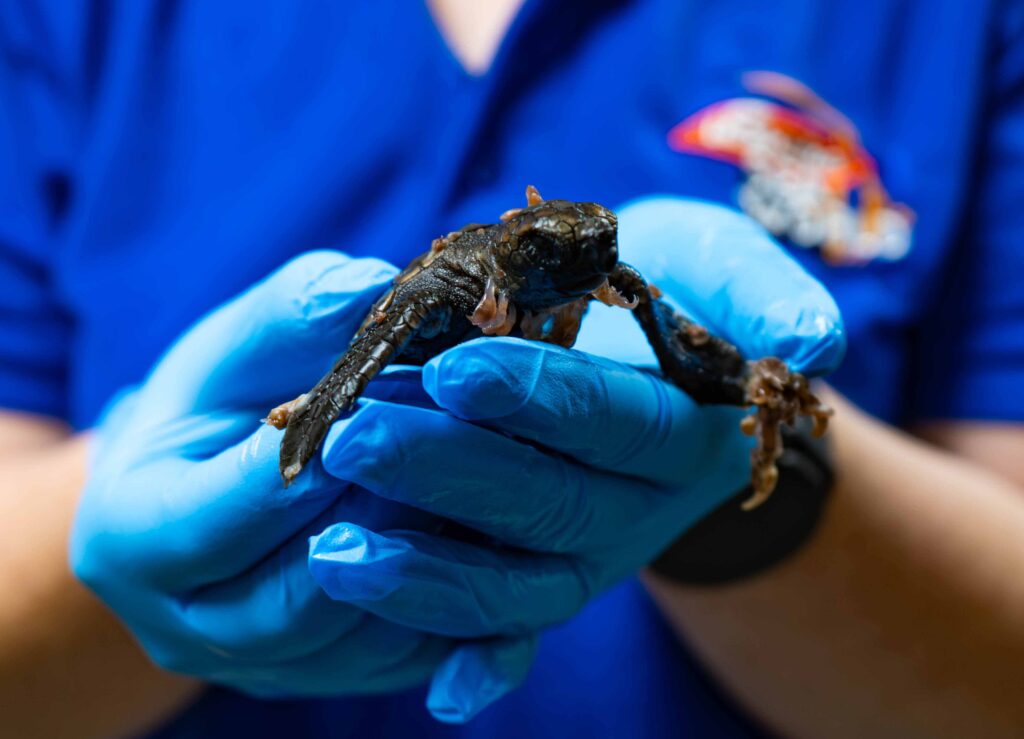
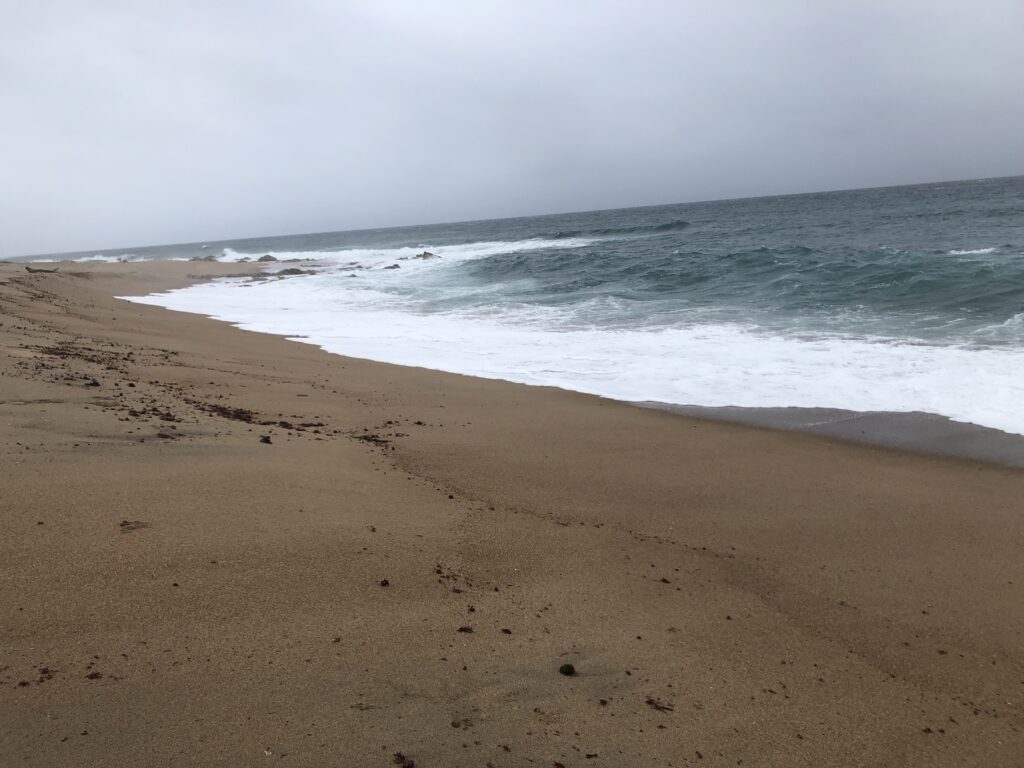
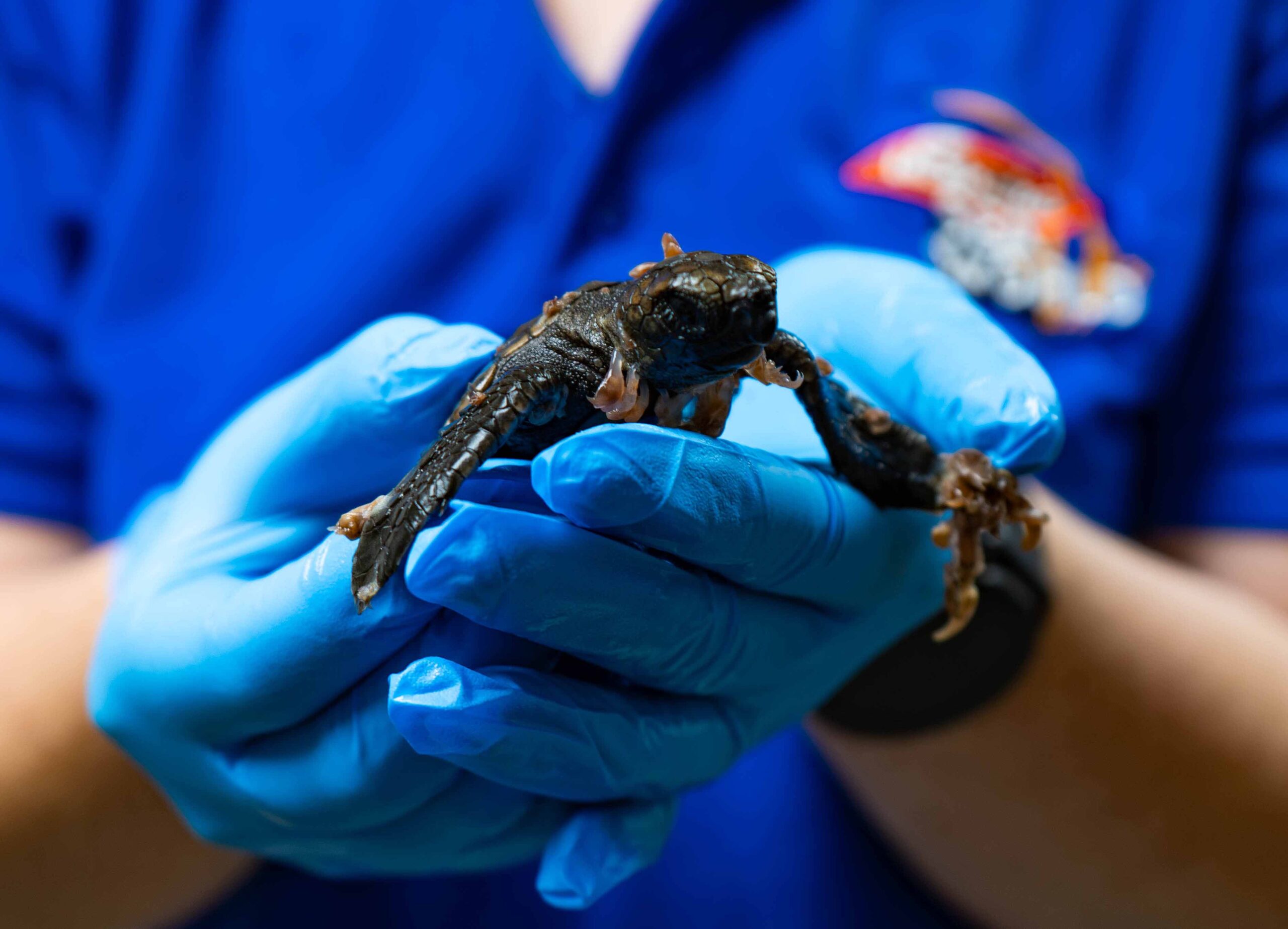
During turtle hatching season, it is not unusual for hatchlings to become stranded along the coastline. At other times of the year, juvenile and adult sea turtles may also wash up on beaches due to injury, illness, or environmental stress.
When this happens, the actions of local residents and beachgoers can play a vital role in protecting these vulnerable animals. Understanding how to respond correctly if you encounter a stranded turtle can help save its life and support important marine conservation efforts along the South Coast.
Sea Turtle Season Along the KwaZulu-Natal Coast
Every year, loggerhead and leatherback turtles nest along the northern KwaZulu-Natal coastline. After the eggs hatch, thousands of tiny turtles make their way across the sand and into the ocean to begin their incredible journey.
However, natural forces such as strong ocean currents, storms, and temperature changes can sometimes push young turtles back toward shore. When this happens, turtles may become weak, dehydrated, or disoriented.
Along the South Coast, turtles may also strand due to:
- Shark bite injuries
- Boat strike wounds
- Illness or exhaustion
- Plastic ingestion or entanglement
These situations require professional care to give the animals the best chance of survival.
The Role of Marine Rescue Organisations
When a stranded turtle is reported, trained rescue teams respond to provide specialised care and rehabilitation. KwaZulu-Natal has a well-established Marine Stranding Network, made up of conservation organisations, volunteers, and emergency services who work together to protect marine wildlife.
One of the key organisations involved in marine wildlife rescue is the
South African Association for Marine Biological Research.
Founded in 1951, the organisation has played a major role in marine conservation and research in South Africa.
SAAMBR operates the well-known
uShaka Sea World
in Durban, which includes a specialised marine animal rehabilitation centre.
The facility provides treatment and care for stranded marine animals including:
- Sea turtles
- Dolphins
- Seals
- Seabirds such as penguins
- Other marine reptiles and wildlife
Animals rescued from beaches are transported to the rehabilitation centre where they receive medical treatment, nutritional care, and monitoring. Once fully recovered, most animals are successfully released back into the ocean.
What to Do If You Find a Turtle on the Beach
If you come across a turtle on the beach along the South Coast, it is important to follow the correct steps.
1. Do Not Return the Turtle to the Ocean
A stranded turtle is usually in distress. It may be injured, exhausted, cold-stunned, or dehydrated. Returning it to the water could reduce its chances of survival.
Unless it is a nesting female — which is extremely rare on the South Coast — the turtle will likely need professional care.
2. Notify the KwaZulu-Natal Marine Stranding Network
Contact a rescue organisation immediately so trained responders can assist.
You can contact SAAMBR directly or notify your nearest:
- NSRI station
- Lifesaving club
- Local conservation authority
Rescue teams will assess the turtle and arrange safe transport to the rehabilitation facility.
3. Keep the Turtle Shaded
If possible, move the turtle out of direct sunlight and keep people and pets away. Excessive handling can cause additional stress for the animal.
4. Place Hatchlings in a Dry Container
If you find a small hatchling, gently place it in a dry container lined with a towel while waiting for assistance.
Do not place the turtle in water while waiting for rescue teams to arrive.
Quick reporting allows rescue teams to respond faster and greatly improves survival chances.
Important Contacts for Marine Animal Rescues
If you find a stranded turtle or marine animal along the KwaZulu-Natal coastline, contact:
uShaka Sea World
Phone:
031 328 8222 (office hours)
031 328 8060 (after hours)
The
South African Association for Marine Biological Research
which operates
uShaka Sea World
is a key organisation involved in marine animal rescue and rehabilitation in the region.
Other organisations may also assist depending on the situation, including wildlife rehabilitation centres, conservation authorities, the NSRI, and veterinary practices.
Protecting Marine Life on the South Coast
Sea turtles are an important part of South Africa’s marine ecosystem. By reporting stranded turtles and supporting marine conservation efforts, residents and visitors can help ensure these incredible animals continue to survive for generations to come.
Responsible beach behaviour also plays a role in protecting marine wildlife. Visitors can help by:
- Reducing plastic waste on beaches
- Avoiding disturbing nesting sites
- Reporting injured marine animals
- Supporting conservation organisations
Together, small actions can make a significant difference for marine life along the KwaZulu-Natal coastline.
FAQ – Sea Turtles on the KZN South Coast
Why do turtles wash up on South Coast beaches?
Strong ocean currents, storms, injuries, illness, or cold conditions can push turtles toward the shoreline where they become stranded.
When is turtle season in KwaZulu-Natal?
Turtle nesting and hatching season typically takes place during the summer months, generally between November and March.
Can stranded turtles be saved?
Yes. With quick reporting and proper rehabilitation, many turtles recover successfully. The rehabilitation facility at
uShaka Sea World
has treated hundreds of sea turtles, with more than 80% successfully rehabilitated and released back into the ocean.
Should I put a stranded turtle back into the water?
No. A stranded turtle is usually in distress and should be assessed by trained professionals.
Image by SAAMBR