Mzamba Fossils and Petrified Forest – A Rare Natural Heritage Site on the KZN South Coast
Hidden along the far southern stretch of the KZN South Coast, the Mzamba Fossils and Petrified Forest is one of the region’s most fascinating natural attractions. This unique geological site offers visitors a glimpse into a prehistoric world, where ancient trees once stood and marine life thrived millions of years ago.
Unlike traditional beach or resort destinations, Mzamba Fossils and Petrified Forest provides an educational and immersive experience, making it a must-visit for nature lovers, history enthusiasts, families, and travellers interested in South Africa’s deep natural past.
Where Are the Mzamba Fossils and Petrified Forest Located?
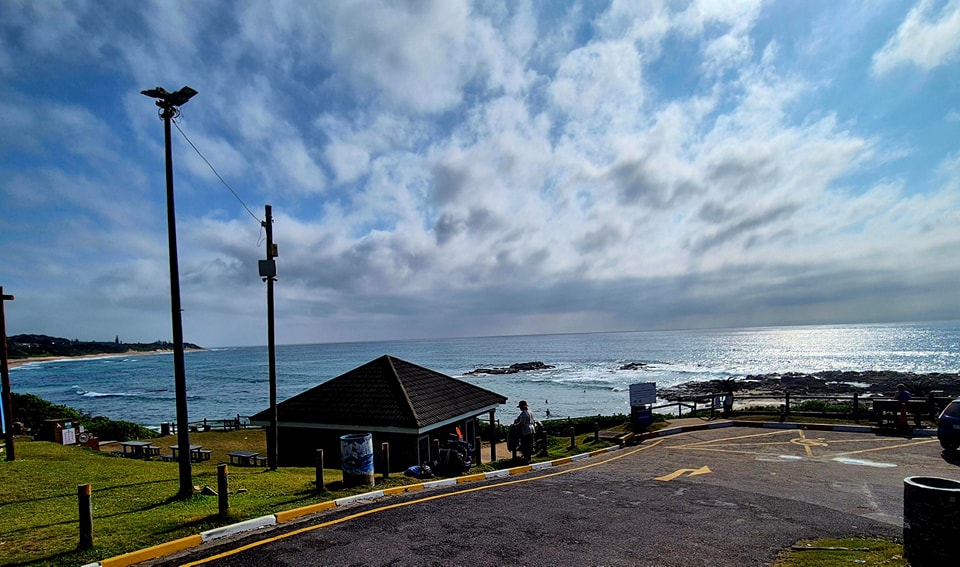
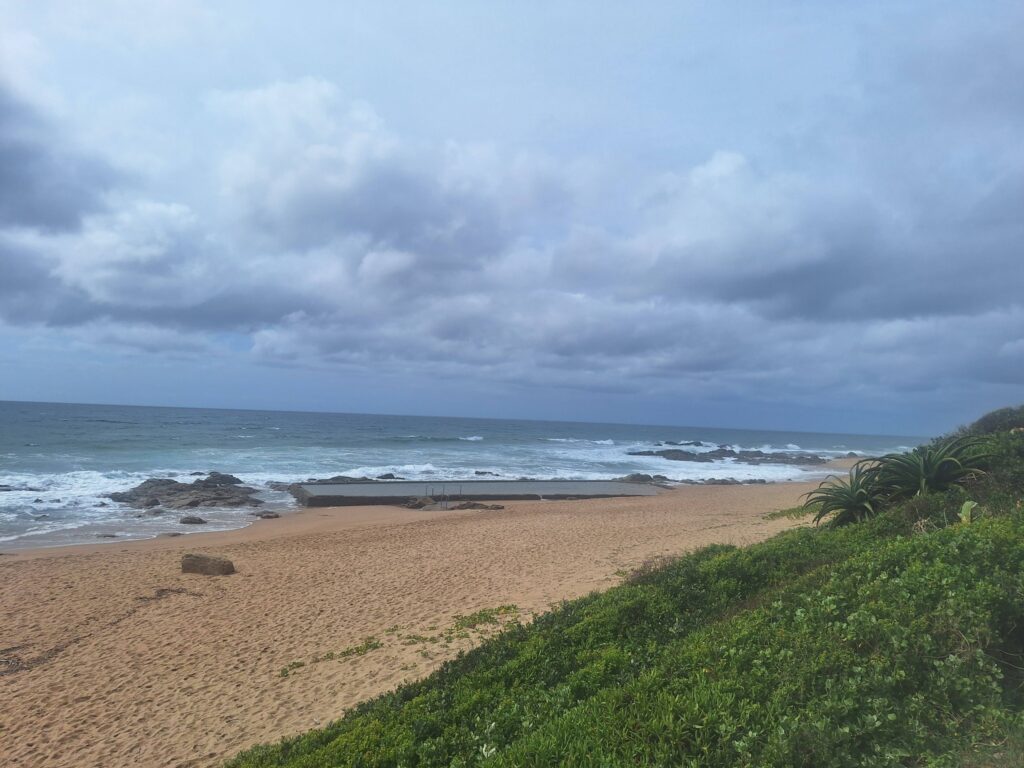
The Mzamba Fossils and Petrified Forest are located near the Mzamba River mouth, just south of Port Edward, close to the Eastern Cape border. The site forms part of a rugged and largely untouched coastline, characterised by rocky outcrops, coastal forests, and unspoilt natural landscapes.
Due to its location, the site is best visited as part of a South Coast exploration trip, particularly for those staying in Port Edward, Palm Beach, or nearby areas.
What Is a Petrified Forest?
A petrified forest is formed when ancient trees are buried under sediment and mineral-rich water replaces the organic material within the wood over millions of years. This process preserves the structure of the trees in stone, creating fossilised logs that retain their original shapes, growth rings, and textures.
At Mzamba, these fossilised trees date back millions of years, offering rare insight into prehistoric ecosystems that once existed along South Africa’s coastline.
The Geological Significance of Mzamba
The Mzamba area is internationally recognised for its geological importance. The fossil deposits found here include:
- Petrified tree trunks and root systems
- Marine fossils such as shells and ammonites
- Sedimentary rock layers that reveal ancient environmental changes
These findings indicate that the area once supported lush forests and was later submerged by ancient seas, making it a valuable site for understanding climate shifts and geological evolution.
Exploring the Mzamba Fossils Site
Visiting the Mzamba Fossils and Petrified Forest is a guided experience. Knowledgeable local guides lead visitors along the coastline, explaining the history, formation, and significance of the fossils found in the area.
What to Expect on a Guided Tour
- Walks along rocky coastal platforms
- Viewing large petrified tree trunks embedded in rock
- Fossilised marine life exposed during low tide
- Educational explanations suitable for all ages
The guided format helps protect the site while ensuring visitors gain a deeper appreciation for its scientific and cultural value.
A Cultural and Community Asset
The Mzamba Fossils and Petrified Forest is not only a geological landmark but also an important community-managed attraction. Local guides and custodians play a vital role in preserving the site and sharing its history with visitors.
By visiting the site through official channels, travellers support sustainable tourism and contribute directly to local livelihoods, helping ensure long-term conservation of this rare natural resource.
Best Time to Visit Mzamba Fossils and Petrified Forest
The site can be visited year-round, but conditions vary depending on weather and tides.
Seasonal Considerations
- Summer (November – February): Warm weather, but visits are best planned during cooler parts of the day
- Autumn (March – May): Ideal conditions with moderate temperatures
- Winter (June – August): Cooler weather and clearer walking conditions
- Spring (September – October): Pleasant temperatures and improved visibility
Low tide is often the best time to view marine fossils along the shoreline.
What to Bring When Visiting
Visitors are encouraged to come prepared, as the area is largely undeveloped.
Recommended items include:
- Comfortable walking shoes with good grip
- Sun protection (hat, sunscreen)
- Drinking water
- Camera or smartphone for photography
- Light jacket during cooler months
Respecting the natural environment is essential — fossils must not be removed or disturbed.
Why the Site Is Protected
Mzamba Fossils and Petrified Forest is protected due to its scientific, educational, and environmental value. Removing fossils or damaging the site is illegal and threatens its preservation for future generations.
Responsible tourism ensures that this ancient landscape remains intact while continuing to educate and inspire visitors.
Combining Your Visit with Nearby Attractions
A visit to the Mzamba Fossils pairs well with exploring nearby South Coast highlights, including:
- Beaches around Port Edward
- The Mzamba River mouth
- Coastal hiking and scenic viewpoints
- Quiet seaside villages along the southern South Coast
This makes the site an excellent addition to a broader South Coast itinerary.
Ideal for Educational and Family Visits
The Mzamba Fossils and Petrified Forest is particularly well suited to:
- School groups and educational outings
- Families with older children
- Nature and geology enthusiasts
- Visitors seeking meaningful, low-impact tourism experiences
The guided format ensures the information is accessible without being overwhelming.
Conservation and Responsible Tourism
Visitors are encouraged to follow all guidelines provided by local guides, including:
- Staying on designated paths
- Not touching or removing fossils
- Avoiding littering
- Respecting wildlife and vegetation
These practices help preserve the site’s integrity and ensure continued access for future visitors.
Frequently Asked Questions (FAQ)
What are the Mzamba Fossils and Petrified Forest?
They are a rare geological site featuring fossilised trees and marine fossils dating back millions of years, offering insight into prehistoric ecosystems.
Where is the Mzamba Fossils site located?
The site is located near the Mzamba River mouth, south of Port Edward on the KZN South Coast.
Can you visit without a guide?
No. Visits are conducted as guided tours to protect the site and provide educational context.
Is the site suitable for children?
Yes, particularly for older children who enjoy nature and learning experiences. Adult supervision is required.
How long does a visit take?
A typical guided tour lasts between 1 and 2 hours, depending on conditions and group size.
Can fossils be collected?
No. Removing fossils is illegal and strictly prohibited.
What is the best time to visit?
Autumn and winter offer comfortable walking conditions, while low tide improves fossil visibility.
Discover Ancient History with South Coast Explore
The Mzamba Fossils and Petrified Forest stands as one of the most remarkable natural heritage sites on the KZN South Coast. Combining education, conservation, and community involvement, it offers visitors a rare opportunity to walk through millions of years of geological history.
Explore this extraordinary destination with South Coast Explore and experience a side of the South Coast that goes far beyond the shoreline.