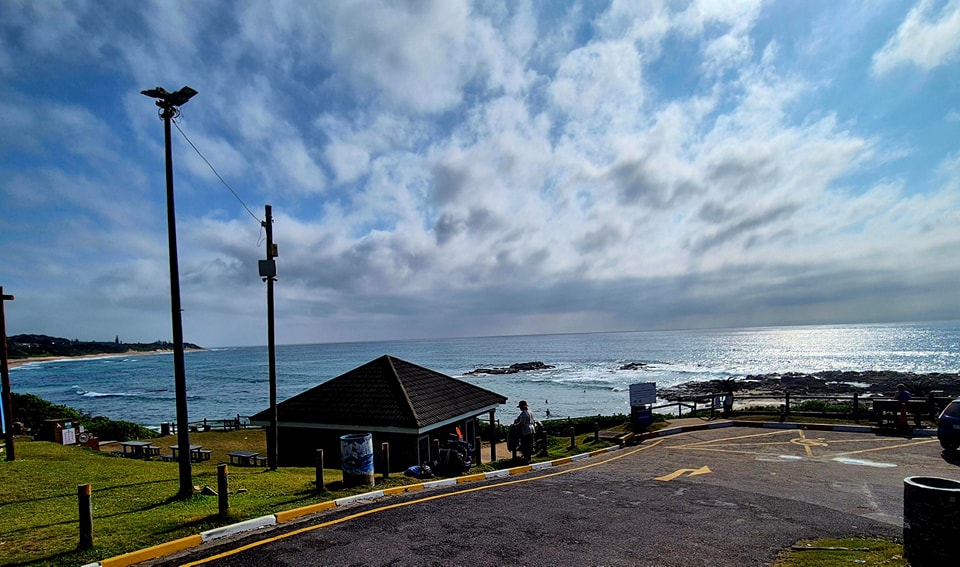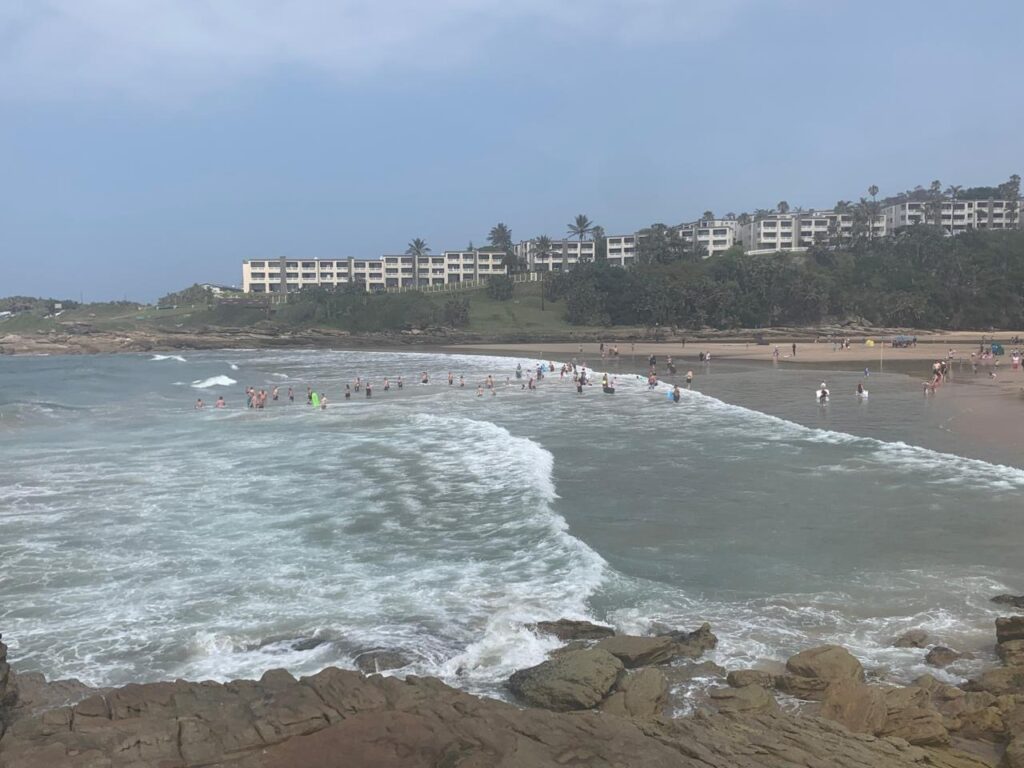
The South Coast of KwaZulu-Natal is a region of remarkable natural beauty. From its warm Indian Ocean waters to its iconic beaches and coastal towns, the coastline draws thousands of visitors and locals every year. But along with its scenic charm come powerful ocean currents and unpredictable conditions that demand respect and awareness.
In early January 2026, a dramatic rescue at Uvongo Main Beach underscored just how quickly a relaxed beach outing can become a life-threatening situation — and how preparedness, training, and the right equipment can make the difference between tragedy and survival.
The Incident: People in Distress
On the evening of 6 January 2026, shortly after 6:30 pm, three young adults found themselves in danger in the surf at Uvongo Main Beach. Two 20-year-old women were caught in strong rip currents while swimming. A 20-year-old man who attempted to assist them also became distressed in the turbulent water.
At the same time, a volunteer from the National Sea Rescue Institute (NSRI) drowning prevention team was conducting routine inspections of rescue equipment along the coastline. From his vantage point, he observed the unfolding emergency and immediately alerted nearby lifesaving teams.
Although the lifeguards on duty had technically completed their official shift just minutes earlier, several were still in the vicinity preparing to leave. Their swift response proved critical.
Lifesaving in Action
Within moments of recognizing the emergency:
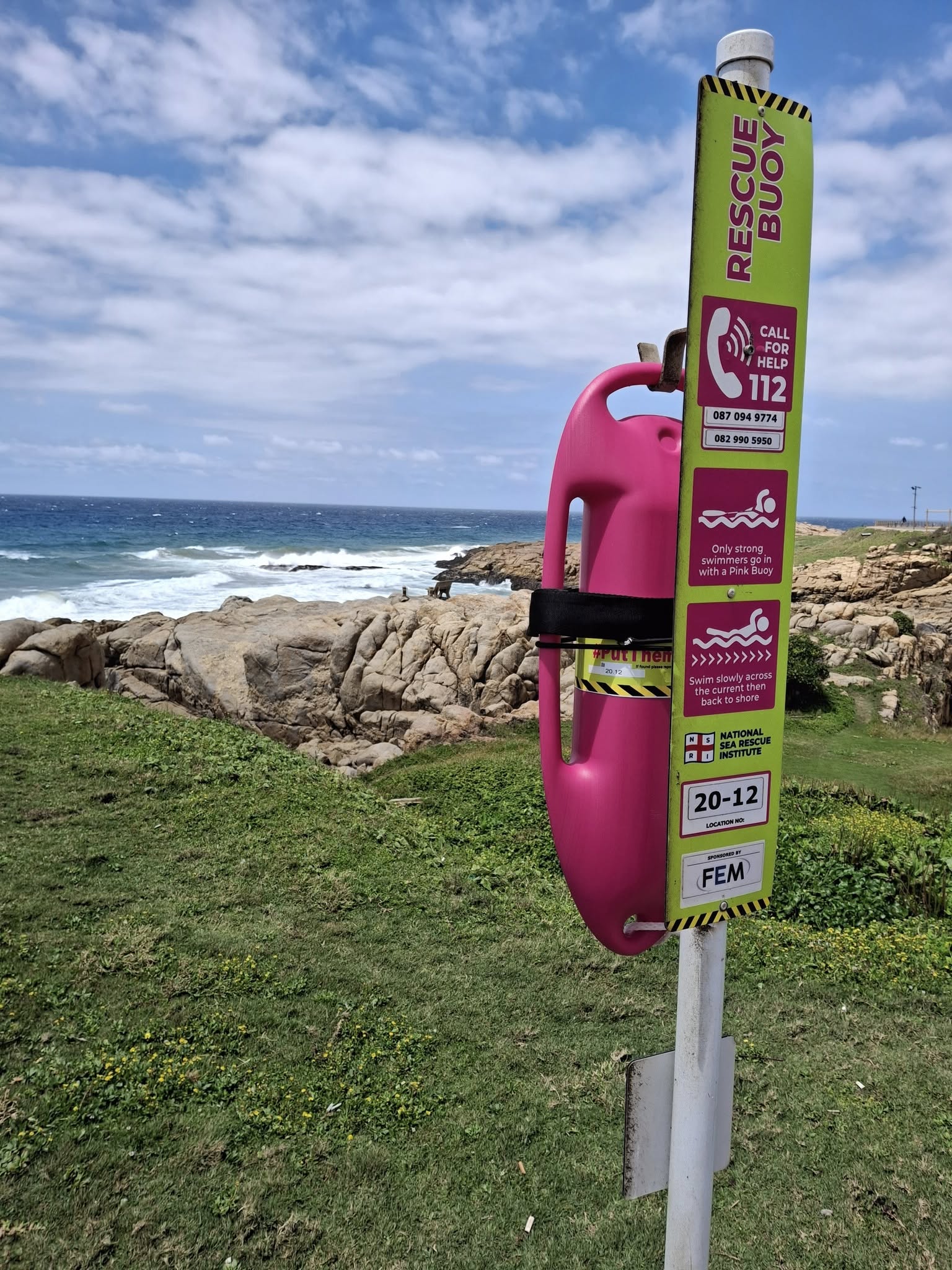
- The Uvongo lifeguards mobilised immediately, retrieving an NSRI pink rescue buoy stationed at the beach.
- One of the women and the male casualty were assisted safely out of the water near the rocks by lifeguards on the shore.
- The second woman was brought back to the beach using the rescue buoy — a specially designed flotation device placed along the coastline as part of a national drowning prevention initiative.
Emergency medical personnel were activated. Paramedics treated the young woman for symptoms of non-fatal drowning and transported her to hospital in a stable condition. Her recovery was expected to be complete.
Throughout the rescue, the coordination between trained lifeguards and community safety volunteers demonstrated how training, rapid communication, and accessible rescue gear directly contribute to saving lives.
The Role of the Pink Rescue Buoy
The pink rescue buoy program has become one of the most visible and impactful drowning-prevention efforts along South Africa’s beaches. These bright flotation devices are strategically positioned at high-risk surf areas so they can be accessed quickly in emergencies by lifeguards — and, when necessary, by trained bystanders.
The buoy is designed to be stable, easy to deploy, and highly visible. In situations where seconds matter, a well-placed rescue buoy can provide crucial flotation support until professional responders arrive.
Since the program began, hundreds of lives have been credited to timely buoy use. The presence of rescue buoys — combined with lifeguard vigilance and community awareness — has significantly improved ocean safety in regions where surf conditions and rip currents pose a serious hazard.
Understanding Rip Currents
Rip currents are one of the most common and dangerous hazards on ocean beaches. They are narrow, powerful channels of water flowing away from shore. They can form unexpectedly and can pull even strong swimmers out beyond the breaking waves.
Key points about rip currents:
- They can appear at any beach with breaking waves.
- They often occur near sandbars, piers, and structures that interrupt water flow.
- Rip currents are usually stronger and more frequent after storms or during high-energy surf conditions.
When caught in a rip current, it is crucial to remain calm. Floater rescue techniques or calling for help is safer than attempting to fight directly against the current. Swimming parallel to shore until free of the current, then heading back to the beach, increases the chances of a safe exit.
Why This Rescue Matters
The events at Uvongo Beach highlight several important lessons for everyone who visits South Coast beaches:
1. Lifeguard Presence Saves Lives
Even outside formal shift hours, the presence of trained lifeguards and safety teams can be the difference between life and fatality. Lifeguards are trained to spot hazards, respond quickly, and use rescue equipment effectively.
2. Equipment in Place Provides Critical Support
The installation of rescue buoys and other safety gear is not merely symbolic — it is a proactive investment in preserving human life. These devices are placed intentionally where they are most likely to be needed.
3. Community Awareness Matters
Beachgoers who understand risks like rip currents and know how to react appropriately increase the safety of everyone around them. Awareness campaigns, signage, and community education all contribute to safer coastal experiences.
4. Coordination Between Volunteers and Authorities Works
The timely alert made by the NSRI volunteer and the coordinated effort of the Section’s lifeguards illustrate the value of training, communication, and readiness.
Safety Tips for South Coast Beachgoers
South Coast beaches attract people of all ages and skill levels. To stay safe:
- Swim where lifeguards are present and within designated flagged areas.
- Observe posted safety signs and warnings about currents, waves, or conditions.
- Never swim alone — a buddy system increases the likelihood of help if needed.
- Understand rip current behaviour and know how to escape one.
- Keep children and inexperienced swimmers within arm’s reach.
- Avoid swimming after alcohol consumption, which impairs judgment and coordination.
- Know local emergency contact procedures before entering the water.
A Broader Perspective on Beach Safety
Incidents like the Uvongo rescue are not isolated. In recent seasons, multiple rescues along the South Coast and beyond have reinforced that ocean hazards are real — even when the water looks inviting.
Water safety organisations, lifeguard services, and community volunteers work year-round to educate the public, install safety equipment, and enhance readiness. Their work includes:
- Public awareness campaigns about rip currents and water hazards.
- Training programs for lifeguards, volunteers, and community responders.
- Drowning prevention initiatives in schools and youth groups.
- Strategic placement of rescue buoys and other life-saving gear along high-risk zones.
The cumulative effect of these measures is a coastline that is safer than ever — but only when individuals take responsibility for their own safety and that of others.
Frequently Asked Questions (FAQ)
Q1: What is a pink rescue buoy and how is it used?
A pink rescue buoy is a bright flotation device positioned at lifeguarded beaches and known risk points. It is designed to be quickly launched into the surf to support someone in distress until responders can assist.
Q2: Who ensures that rescue buoys are available and maintained?
Lifesaving organisations, volunteer rescue teams, and community safety initiatives are responsible for installing, inspecting, and maintaining rescue buoys and related safety equipment.
Q3: Are rip currents visible from shore?
Rip currents can be difficult to see, especially to untrained eyes. They often look like calm channels between breaking waves or areas with discoloured, fast-moving water.
Q4: What should I do if someone else is caught in a rip current?
Do not enter the water impulsively. Instead, shout for help, alert a lifeguard, and, if trained, provide a rescue buoy or flotation device for the person to hold onto. Prioritize your own safety first.
Q5: Can rescue buoys be used by ordinary beachgoers?
While rescue buoys are designed for use by trained lifesavers, vigilant beachgoers who understand how to deploy them safely can use them to assist someone in distress while waiting for professional responders.
Q6: Are all South Coast beaches monitored by lifeguards?
Not all beaches are continuously monitored. Lifeguard presence varies depending on season, resource availability, and local scheduling. Always check for safety flags and official lifeguard signage before entering the water.
Conclusion: Respect the Ocean, Value Preparedness
The rescue at Uvongo Beach on 6 January 2026 is a powerful reminder that the ocean demands respect. Beautiful and inviting as our beaches are, conditions can change in an instant, and even experienced swimmers can be challenged by currents and surf.
What made this incident a story of survival was preparedness — equipment in place, trained responders nearby, and quick thinking by individuals who knew what to do.
For residents, tourists, and South Coast explorers alike, the message is clear: enjoy the beach, but always prioritise safety. Awareness, respect for the ocean, and knowing where to find help make all the difference in turning potential tragedy into a story of life saved.