Keeping the South Coast Safe: NSRI Updates and How You Can Make a Difference
The KwaZulu-Natal South Coast is home to some of South Africa’s most beautiful beaches, rivers, and coastal attractions. But with the joys of the water come responsibilities — and the National Sea Rescue Institute (NSRI) is at the forefront of keeping everyone safe. From lifesaving operations to community programs, NSRI plays a vital role in protecting locals and visitors alike.
Lifesaving Operations Along the South Coast
NSRI teams regularly respond to emergencies both at sea and along the shoreline. In recent weeks, they carried out multiple medical evacuations from offshore vessels, demonstrating their ability to handle complex situations. Each rescue relies on coordination with local authorities, medical teams, and the dedication of volunteers who ensure that help reaches those in need quickly and safely.
Along the coast, NSRI stations such as Uvongo, Shelly Beach, and Margate are active hubs for emergency response. Their work ranges from assisting swimmers caught in rip currents to rescuing people in distress on boats. Every operation highlights the organisation’s commitment to saving lives.
The Pink Rescue Buoy Program: A Community Lifesaver
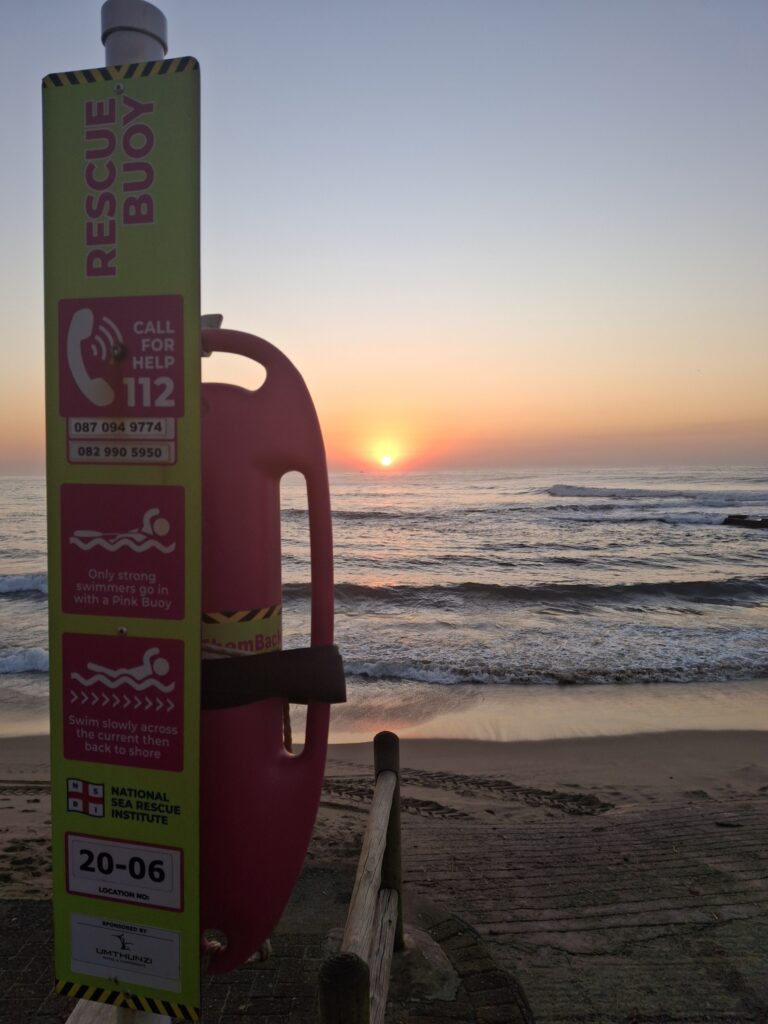
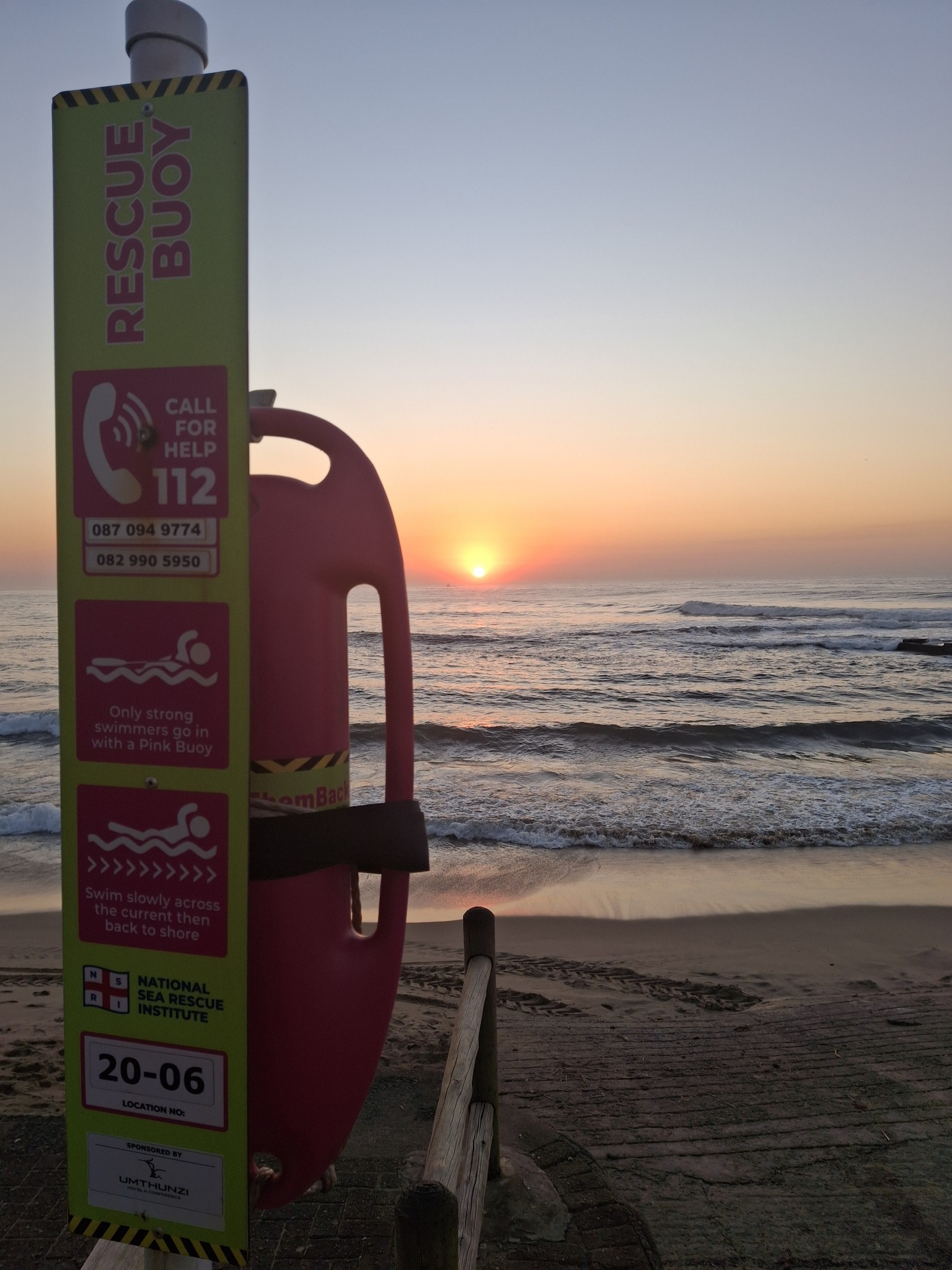
One of NSRI’s most effective tools in preventing drowning incidents is the Pink Rescue Buoy (PRB) programme. With 1,859 buoys positioned strategically across South Africa, these devices are easily accessible in emergencies and have already helped save countless lives.
You can actively contribute to this program by becoming a PRB custodian in your area. Custodians play a simple but critical role: regularly checking the buoys, reporting damage or missing equipment, and keeping them rescue-ready. Every report and observation can make a difference when seconds matter.
The story of Steven Douglas, who relied on a well-maintained buoy to prevent a potential drowning, illustrates the importance of preparedness. His experience demonstrates that community involvement and vigilance can save lives along the coast and inland waterways.
Community Volunteers: Strengthening Coastal Safety
Volunteers are the backbone of NSRI operations. By supporting rescue missions, maintaining equipment, and participating in safety awareness initiatives, locals play a crucial part in protecting the South Coast. Even small actions — keeping an eye out for hazards, reporting dangerous conditions, or assisting lifeguards — contribute to a safer coastal environment for everyone.
Why the South Coast Should Get Involved
Residents and visitors alike are encouraged to engage with NSRI programs and support coastal safety initiatives. Here’s how you can help:
- Become a PRB custodian: Check and report the condition of local Pink Rescue Buoys.
- Stay informed: Learn about rip currents, weather conditions, and local beach rules.
- Report incidents: Alert NSRI or lifeguards to any emergencies or damaged equipment.
- Volunteer: Join your local NSRI station to participate in training, rescues, and awareness campaigns.
By combining the efforts of NSRI, volunteers, and the public, the South Coast becomes a safer place to enjoy its beautiful waters.
Key Takeaways
- NSRI’s lifesaving teams are highly active along the KwaZulu-Natal South Coast.
- The Pink Rescue Buoy programme is a critical part of preventing drowning incidents.
- Community involvement as PRB custodians and volunteers strengthens the entire coastal safety network.
- Awareness, preparedness, and quick action save lives.
South Coast Explore encourages everyone along the KZN South Coast to get involved, stay vigilant, and support these lifesaving initiatives. Together, we make our coastline safer.
#PinkRescueBuoy #NSRI #WaterSafety #DrowningPrevention #Volunteer #CPRSavesLives #PinkBuoysSaveLives #SouthCoastSafety #KZNSouthCoast
NSRI Image