Is It Safe to Visit South Africa?
South Africa is a top destination for travelers seeking beaches, wildlife, adventure, and culture. From the golden sands of the KwaZulu-Natal South Coast to the mountains of the Western Cape, millions of visitors explore the country every year.
Understandably, many first-time visitors ask: “Is it safe to visit South Africa?” The answer is yes, as long as you plan ahead, follow common-sense precautions, and choose reliable travel operators. This guide explains everything you need to know for a safe and unforgettable South Coast holiday.
Why South Africa is Worth Visiting
South Africa offers a mix of natural beauty, rich culture, and adventure opportunities:
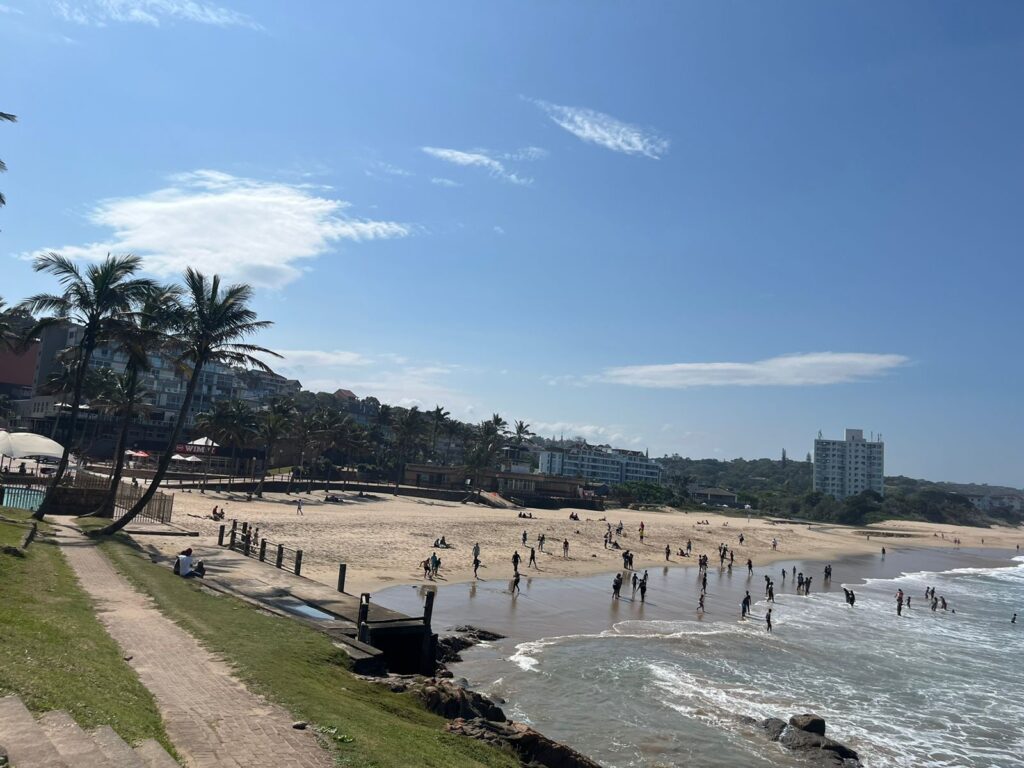
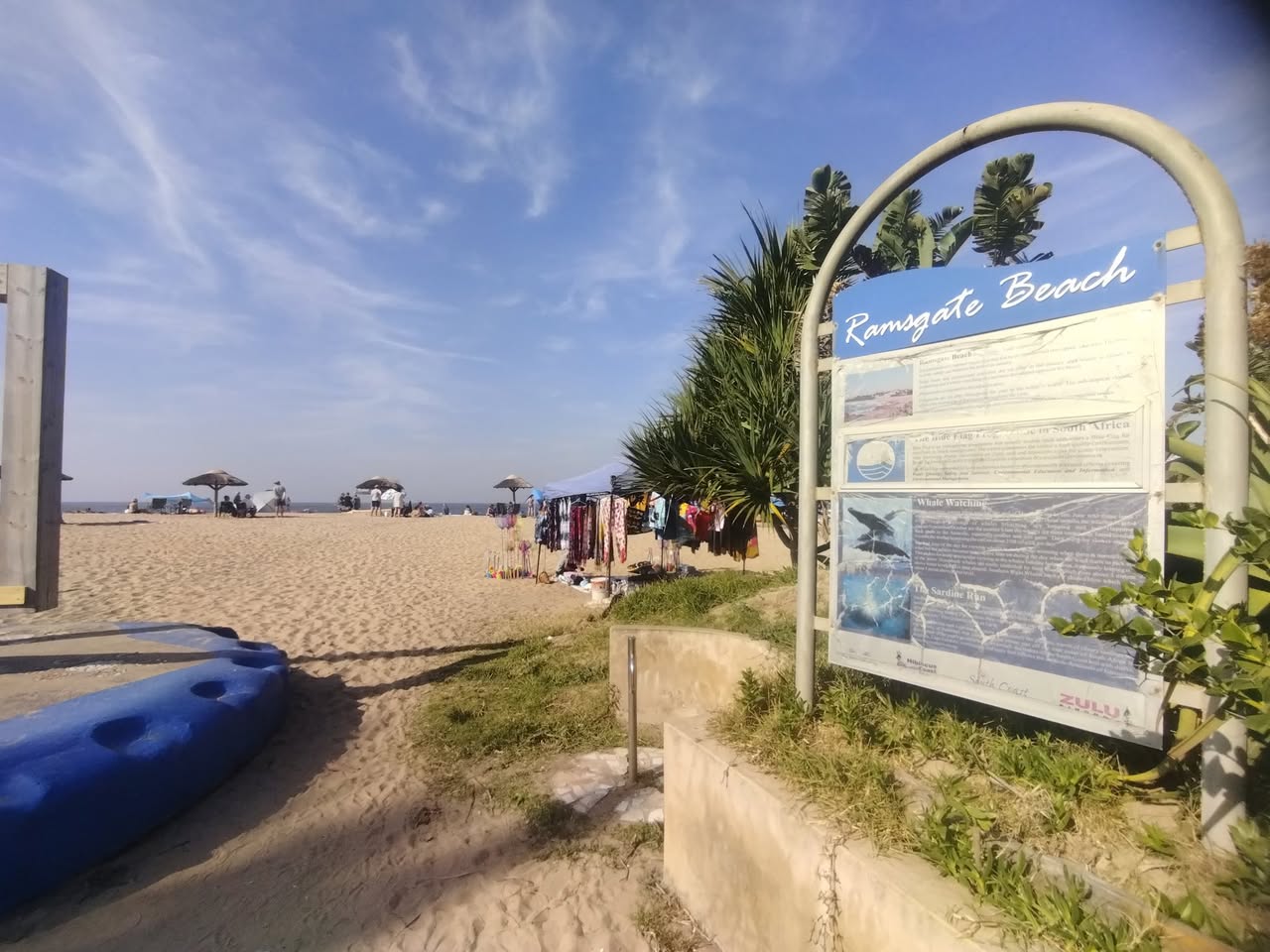
- Coastal towns and beaches: Margate, Ramsgate, Uvongo, Shelly Beach, and Manaba are safe and lifeguarded.
- Wildlife and safaris: From Kruger National Park to smaller reserves, you can safely encounter the Big Five.
- Cultural experiences: Vibrant cities and towns reflect South Africa’s diverse heritage.
- Adventure activities: Hiking, surfing, shark cage diving, paragliding, and more.
Tourism infrastructure is well-developed in major towns and coastal areas, making it safe for first-time and repeat visitors.
Pre-Trip Planning for a Safe Visit
Proper planning is key to minimizing risks:
- Travel insurance: Ensure coverage for medical emergencies, cancellations, and adventure activities.
- Health precautions: Visit a travel clinic for vaccinations and malaria advice if needed. The South Coast is low-risk for malaria.
- Embassy registration: Optional but recommended for extra support.
- Research accommodations and tours: Prioritize well-reviewed hotels and licensed operators.
- Document safety: Keep digital and physical copies separate from originals.
- Transportation planning: Prebook airport transfers, car rentals, or rides with licensed providers.
Major Towns, Cities, and Airports
Knowing key destinations and transport hubs helps with safe and efficient travel.
South Coast Towns
- Margate: Popular for its beaches, hotels, and restaurants.
- Ramsgate: Quiet town ideal for relaxing getaways.
- Uvongo: Known for waterfalls and natural pools.
- Shelly Beach: Excellent for fishing, surfing, and water sports.
- Port Shepstone: Commercial hub with shops, hospitals, and transport links.
Major Cities
- Durban: Gateway city to the South Coast with international flights and cultural attractions.
- Johannesburg: South Africa’s largest city, a central hub for domestic flights.
- Cape Town: Western Cape city with iconic landmarks, beaches, and wine routes.
Key Airports
- King Shaka International (Durban): Main airport for the KZN South Coast.
- OR Tambo International (Johannesburg): Largest airport with domestic and international connections.
- Cape Town International Airport: Gateway to the Western Cape.
- Margate Airport (regional): Small but convenient for South Coast travelers.
Everyday Safety Tips
Preventing common incidents is simple with these precautions:
- Protect valuables: Avoid displaying expensive jewelry or electronics.
- Use hotel safes: Store passports, cash, and extra valuables.
- Be alert in crowds: Markets, festivals, and bus stations can attract pickpockets.
- Park safely: Lock your car and avoid leaving valuables visible.
- Night safety: Use licensed taxis or rideshares and avoid walking alone in unfamiliar areas.
- Keep emergency contacts: Police, ambulance, and accommodation numbers on hand.
South Coast Travel Safety
The KwaZulu-Natal South Coast is family-friendly and tourist-ready:
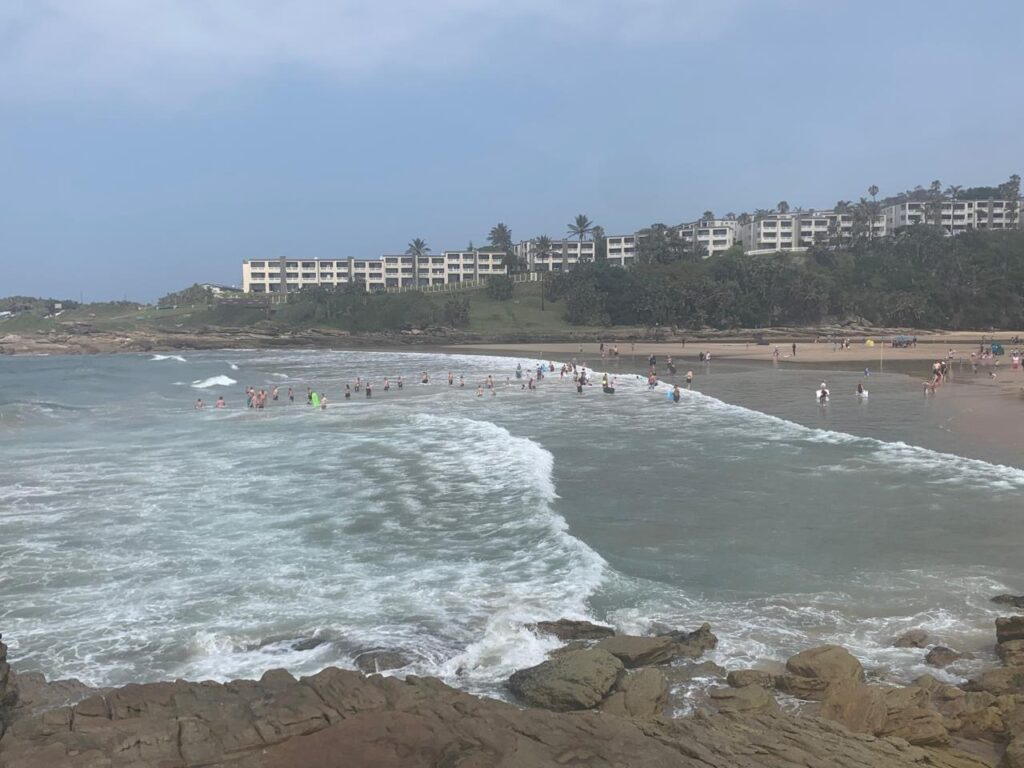
- Swim at lifeguarded beaches like Margate, Ramsgate, and Shelly Beach. Always swim between the flags.
- Book licensed operators for activities like snorkeling, fishing, surfing, and boat trips.
- Respect wildlife: Observe dolphins, turtles, and other species safely.
- Use safe transportation: Licensed taxis, ride-hailing services, or pre-arranged transfers.
Safaris and Wildlife Safety
South Africa’s wildlife is a major attraction. Follow these tips:
- Follow guides’ instructions: Trained rangers ensure safety.
- Never feed or approach wildlife: Even calm animals can be dangerous.
- Stay inside vehicles: Walking near wildlife is only safe with guides.
- Water awareness: Crocodiles and hippos inhabit rivers and waterholes — stay alert.
Health and Medical Facilities
- Hospitals and clinics: Modern private facilities are available in major towns.
- First aid and prescriptions: Keep medications in original packaging.
- Water and food safety: Tap water is usually safe; bottled water is optional.
- Malaria: Not a concern on the South Coast; required in northern KZN and Limpopo.
Road Safety Tips
- Avoid night driving on poorly lit rural roads.
- Use main highways and toll roads for safety.
- Lock vehicles and hide valuables.
- Plan fuel and water stops for longer trips.
Driving along the South Coast is scenic, but planning is essential.
Common Tourist Scams
- ATM and card scams: Use ATMs inside banks and cover your PIN.
- Overly helpful strangers: Politely decline unsolicited help.
- Unofficial tour agents: Book only with licensed operators.
- Fake officials: Verify ID before sharing personal information.
Solo Travelers and Women
- Share your itinerary: Let someone know your plans.
- Accommodation choice: Use reputable hotels or lodges.
- Avoid isolated areas at night: Travel with companions if possible.
Emergencies
- Emergency numbers: Police 10111, Ambulance 10177
- Accommodation contacts: Hotels or guesthouses can assist.
- Tour operator support: Guides can help during activities.
- Embassy or consulate: For lost documents or legal assistance.
- Travel insurance: Essential for medical emergencies and evacuation.
Essential Emergency Numbers for Tourists in South Africa
Knowing the correct emergency numbers can make a significant difference when traveling in South Africa. Whether you are a local or an international tourist, having these numbers on hand ensures quick access to help in case of accidents, medical emergencies, or security incidents.
Key Emergency Contacts
- Police: 10111 — For reporting crime, theft, or suspicious activity.
- Ambulance / Medical Emergencies: 10177 — For urgent medical assistance.
- Fire Department: 10177 — Available in many areas; some regions have dedicated fire numbers.
- Coast Guard / Maritime Emergencies: 112 (from mobile phones) — For incidents on the coastline or at sea.
- Roadside Assistance: 0861 222 200 — Useful for vehicle breakdowns or accidents.
Tips for International Tourists
- Save numbers on your phone: Include your accommodation and tour operator contacts.
- Carry a list of local hospitals: Particularly if visiting remote towns or national parks.
- Know local emergency apps: Some provinces have apps for rapid reporting and assistance.
- Keep important documents accessible: Copies of passport, travel insurance, and visas can be crucial in emergencies.
Why It Matters
Being prepared with emergency numbers helps you travel confidently and ensures that assistance is available when needed. Tourists on the KwaZulu-Natal South Coast or elsewhere in South Africa can enjoy beaches, wildlife, and cultural experiences knowing they have quick access to support.
FAQs
1. Is the South Coast safe for tourists?
Yes, lifeguarded beaches, family-friendly towns, and tourist services make it safe.
2. What types of crime exist?
Mostly petty theft, pickpocketing, and car break-ins. Serious crime in tourist areas is rare.
3. Do I need malaria protection?
Only if traveling to northern KZN, Limpopo, or endemic regions. The South Coast is low-risk.
4. Is public transport safe?
Yes, licensed taxis and ride-hailing apps are recommended. Avoid unregulated buses or trains.
5. How accessible is medical care?
Major towns have excellent private hospitals; remote areas may require travel.
6. Can I drive safely?
Yes, avoid poorly lit rural roads at night and keep valuables hidden.
7. Which towns and cities should I know?
Key towns: Margate, Ramsgate, Uvongo, Shelly Beach, Port Shepstone. Cities: Durban, Johannesburg, Cape Town.
8. What airports are convenient for South Coast travel?
King Shaka International (Durban), OR Tambo (Johannesburg), Cape Town International, and regional airports like Margate.
International Travelers: Visiting South Africa from Canada and the USA
South Africa attracts travelers from around the world, including Canada and the United States, thanks to its diverse landscapes, wildlife, beaches, and adventure activities. While the country is safe for tourists, understanding travel requirements and local tips ensures a smooth and enjoyable trip.
Canadian Tourists
Travel Documents and Entry Requirements
- Passport: Must be valid for at least 30 days beyond your intended stay.
- Visa: Canadians do not require a visa for visits up to 90 days; longer stays need approval.
- Travel Insurance: Strongly recommended. Coverage should include medical emergencies, evacuations, cancellations, and adventure activities such as safaris or water sports.
Flights and Airports
- International flights: Canadians can reach South Africa via Johannesburg (OR Tambo) or Cape Town International Airport, usually with a connection.
- Domestic connections: From Johannesburg or Cape Town, travelers can fly or drive to the South Coast. King Shaka International Airport (Durban) serves as the main gateway.
Safety and Travel Tips
- Currency: South African Rand (ZAR). Credit cards are widely accepted; carry some cash for small purchases.
- Health precautions: Vaccinations may be recommended; malaria prophylaxis is not required on the South Coast.
- Driving: Canadians should drive on the left-hand side and follow local traffic rules.
- Emergencies: Police 10111, Ambulance 10177. Keep hotel and tour operator contacts handy.
Using South Coast Explore
- Custom itineraries: Tailored trips from arrival to departure.
- Licensed operators: Recommendations for safaris, water activities, and tours.
- Local insights: Advice on beaches, restaurants, and scenic spots.
American Tourists
Travel Documents and Entry Requirements
- Passport: Must be valid for at least 30 days beyond your stay.
- Visa: U.S. citizens do not require a visa for trips up to 90 days; longer stays require an application.
- Travel Insurance: Essential to cover medical emergencies, evacuations, and adventure activities like shark cage diving or safaris.
Flights and Airports
- International flights: Americans can fly via Johannesburg or Cape Town with connecting flights.
- Domestic travel: From Johannesburg or Cape Town, domestic flights or road trips reach the South Coast. King Shaka International Airport (Durban) is the main hub for KwaZulu-Natal.
Safety and Travel Tips
- Currency: South African Rand (ZAR). Credit cards are widely accepted; carry cash for markets or small vendors.
- Health precautions: Recommended vaccinations; malaria prevention if visiting northern regions. The South Coast is low-risk.
- Driving: Americans should drive on the left-hand side, follow local rules, and practice caution on rural roads.
- Emergencies: Police 10111, Ambulance 10177. Keep hotel and tour operator contacts accessible.
Using South Coast Explore
- Custom itineraries: Personalized planning covering accommodations, activities, and tours.
- Trusted operators: Licensed adventure, safari, and water-based activities.
- Local insights: Best beaches, restaurants, and scenic destinations.
Benefits for International Travelers
By leveraging South Coast Explore’s services, Canadians and Americans can:
- Enjoy safe, stress-free holidays along South Africa’s South Coast.
- Access trusted operators for adventure, wildlife, and cultural experiences.
- Navigate local towns, airports, and transportation efficiently.
- Receive safety guidance and local insights for a seamless trip.
With the right planning and local knowledge, international travelers can confidently explore South Africa, from family-friendly beaches in Margate and Ramsgate to wildlife safaris and scenic cultural excursions.
South Africa Is safe and Beautiful
South Africa, especially the KwaZulu-Natal South Coast, is safe, accessible, and full of experiences. Proper planning, common-sense precautions, and trusted operators ensure a safe holiday.
South Coast Explore can assist with:
- Planning itineraries
- Recommending trusted accommodations and operators
- Arranging transfers and activities
- Offering local insights for stress-free travel
Whether for a family beach holiday, adventure trip, or wildlife experience, the South Coast delivers a safe and unforgettable South African experience.
South Africa Emergencies Numbers
South African Police Service Emergency Number : 10111
Crime Stop (report criminal activity anonymously) : 08600 10111
Mobile phone emergency number : 112
South African Tourism helpline : 083 123 6789
ER24 : 084 124
Arrive Alive Call Centre : 0861 400 800
Netcare 911 : 082 911
South Africa Emergencies Numbers Information Courtesy of www.saps.gov.za