Stop the Strangle action campaign scales frontline marine protection through municipal and community partnerships
Johannesburg, South Africa – 22 January 2026: The Wildlife and Environment
Society of South Africa (WESSA) is strengthening on-the-ground action against
ghost fishing gear and marine entanglement through its ongoing CEO coastal
roadshow, as part of Phase 2 of the Stop the Strangle (STS) action campaign.
The roadshow, led by WESSA CEO Cindy-Lee Cloete, is focused on deepening
collaboration with municipalities, conservancies, lifeguard services and coastal
partners, while accelerating the national rollout of ghost fishing line collection and
analysis bins across South Africa’s coastline.
This work forms part of the Ford 100-Bin Relay Project made possible through the
support of the Ford Wildlife Foundation and aims to intercept discarded fishing line
before it reaches the ocean, while generating data to support long-term, evidence-
based marine conservation.
Turning coastal action into measurable impact
Ghost Fishing Gear Along South Africa’s Coastline: WESSA Leads National Action
Ghost fishing gear, including lost or discarded fishing line, remains one of the most
harmful forms of marine pollution, causing severe injury and death to seabirds,
turtles, sharks and other marine species, often long after the gear has been
abandoned.
Through Stop the Strangle, WESSA is combining practical infrastructure, community-
led monitoring, and data collection to reduce this threat in high-traffic coastal areas.
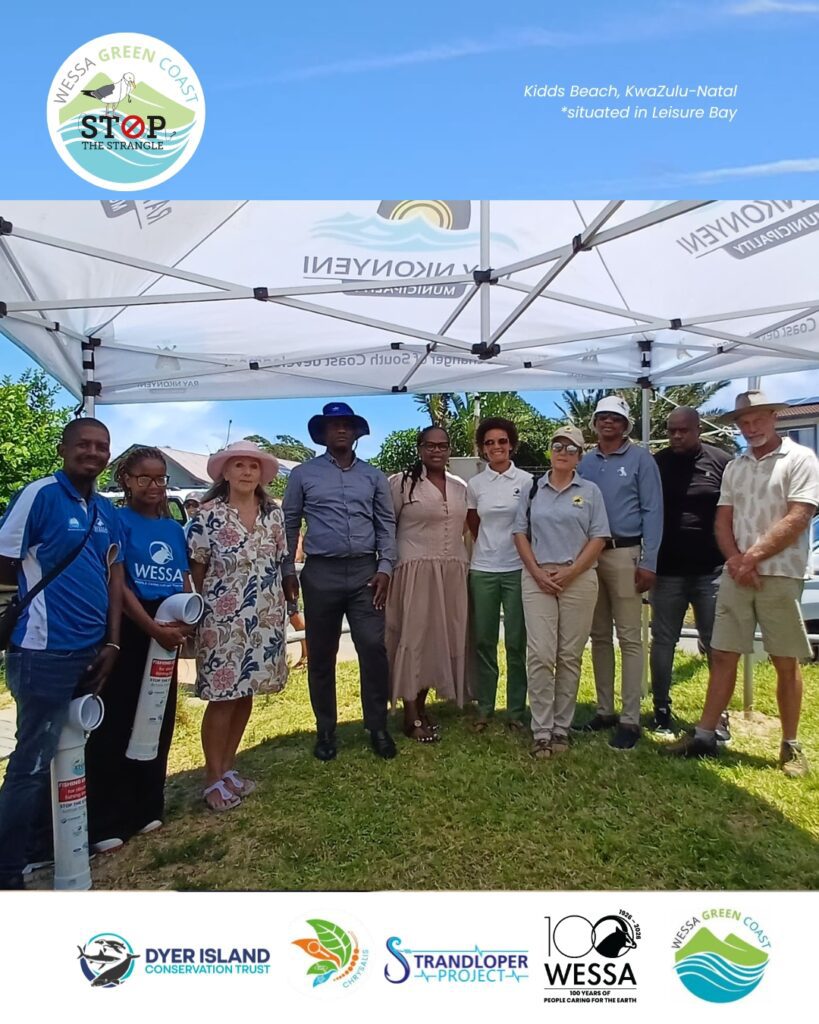
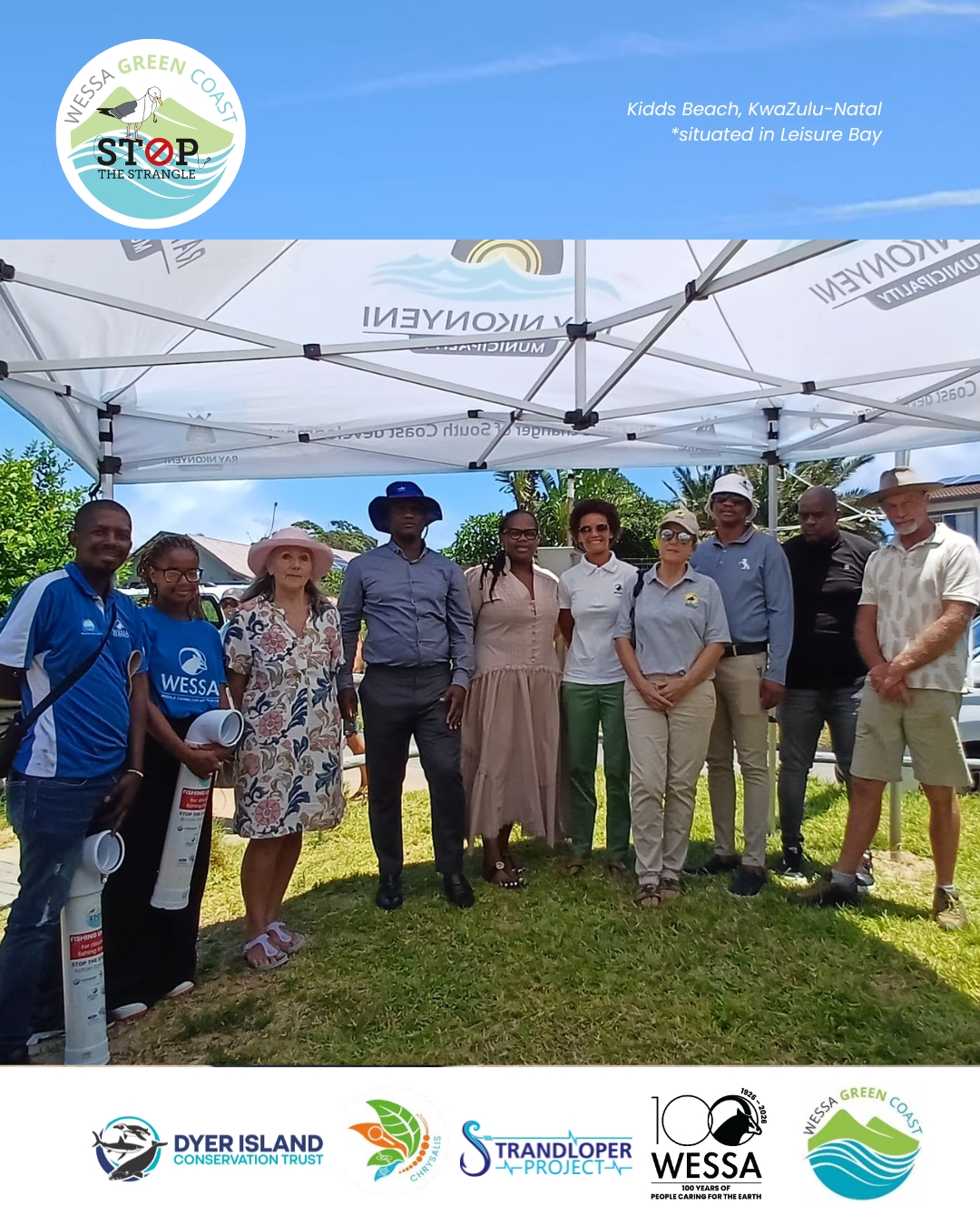
As part of the CEO roadshow ghost fishing line collection and analysis bins have
recently been formally handed over at multiple strategic coastal sites that are part of
our Green Coast and Blue Flag network of partners. New Stop the Strangle sites
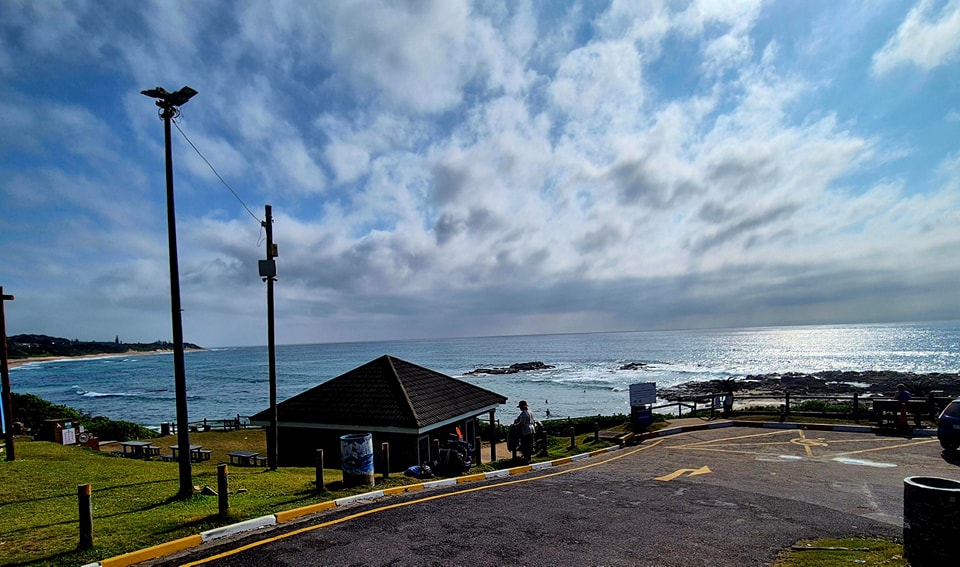
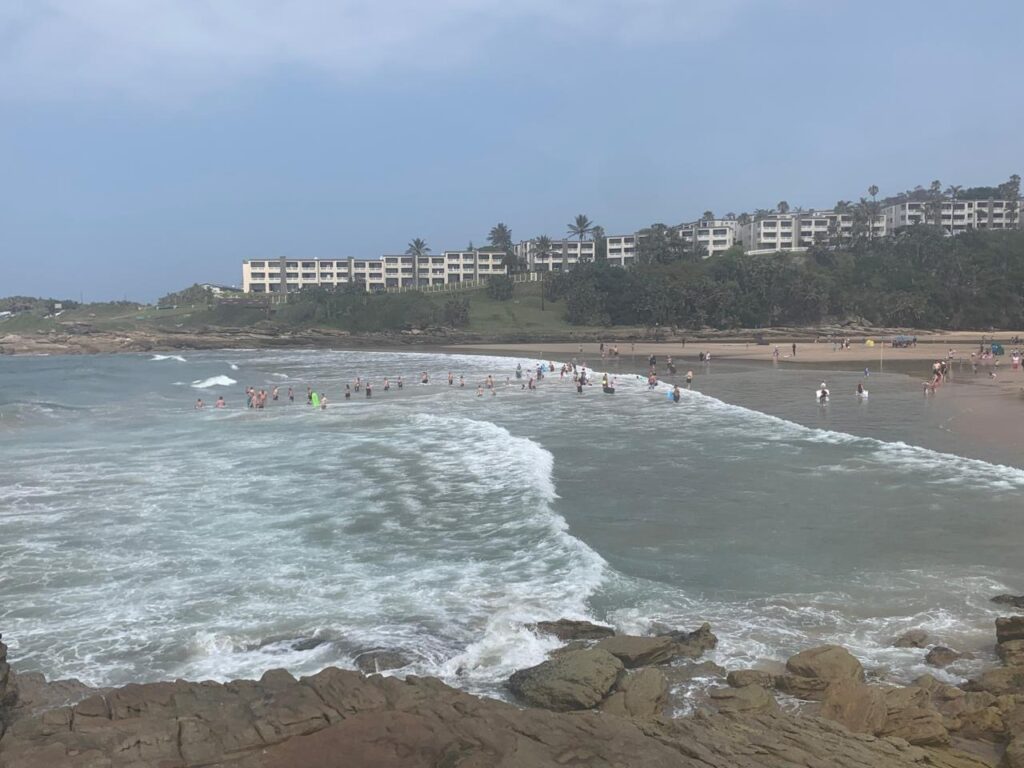
include Mossel Bay, Jeffreys Bay, McDougalls Bay (Port Nolloth), Leisure Bay and
Mpenjati Conservancies in KwaZulu-Natal, and two of our Blue Flag marinas, namely
Club Mykonos and the Royal Alfred Marina.
“These handovers are about more than infrastructure,” says Cindy-Lee Cloete, CEO
of WESSA. “They represent a shared commitment between municipalities, coastal
partners and communities to protect marine life and manage our coastlines
responsibly. By working together, we can stop fishing line from becoming a silent
killer in our oceans and turn local action into lasting conservation impact.”
Strengthening municipal and community partnerships
The handovers bring together key local stakeholders, including municipal
representatives, conservancies, lifeguard services and coastal managers,
highlighting the essential role of local leadership in marine litter prevention.
By prioritising Green Coast sites, Blue Flag beaches, marinas and boat facilities, the
Ford 100-Bin Relay Project is designed to increase interception where pressure on
the coastline is highest, while demonstrating a scalable model for integrated coastal
management.
“The Stop the Strangle campaign is designed to turn hands-on coastal action into
data-driven conservation outcomes,” adds Mike Denison, WESSA’s Coastal
Programme Senior Manager. “The information gathered through these bins will help
strengthen marine research, inform policy discussions and guide future
interventions.”
A national campaign with local impact, Stop the Strangle operates within WESSA’s broader Green Coast programme, which supports coastal stewardship, environmental compliance and community
participation along South Africa’s shoreline.
The CEO roadshow continues in early 2026, with further handovers and
engagements planned with strategic partners as the campaign scales nationally.
Long-term coastal protection depends on strong partnerships and practical action.
With the support of the Ford Wildlife Foundation, WESSA’s Coastal Programme is
strengthening frontline coastal conservation and working alongside communities to
deliver real, measurable impact.
We are proud to have our Coastal Programme powered by Ford.
Want to get involved?
Learn more about Stop the Strangle and how to support the campaign here:
https://www.wessa.org.za/stop-the-strangle/. Reach out to Mike Denison, WESSA’s
Coastal Programme Senior Manager via [email protected].
About WESSA (est. 1926)
WESSA (The Wildlife and Environment Society of South Africa) is a leading non-profit
organisation dedicated to advocating for sustainable solutions, conservation, championing
policy initiatives and promoting environmental awareness that lead to a healthier planet.
Through its diverse range of programmes and initiatives, WESSA has been instrumental in
fostering a culture of environmental responsibility across South Africa. Media note: In all
communications, please write as WESSA (The Wildlife and Environment Society of South
Africa). Read more https://www.wessa.org.za/.
About the WESSA Coastal Programme
The WESSA Coastal Programme is dedicated to the protection and sustainable use of South
Africa’s 3,000 km coastline. Working shore to shore, the programme connects people to the
coast through conservation action, environmental education, citizen science and youth
development, while supporting responsible coastal management and sustainable tourism.
The programme provides an enabling framework for WESSA’s internationally recognised
coastal eco-labels, including Blue Flag and Green Coast, as well as action-based initiatives
such as Stop the Strangle, which addresses marine pollution and ghost fishing gear through
on-the-ground intervention, awareness-raising and data collection.
By working closely with municipalities, conservancies, lifeguard services, schools, coastal
users and partners, WESSA’s Coastal Programme helps turn local action into scalable,
evidence-based solutions that protect marine life, strengthen coastal stewardship and inspire
the next generation of ocean guardians.
https://www.wessa.org.za/stop-the-strangle/
ENDS