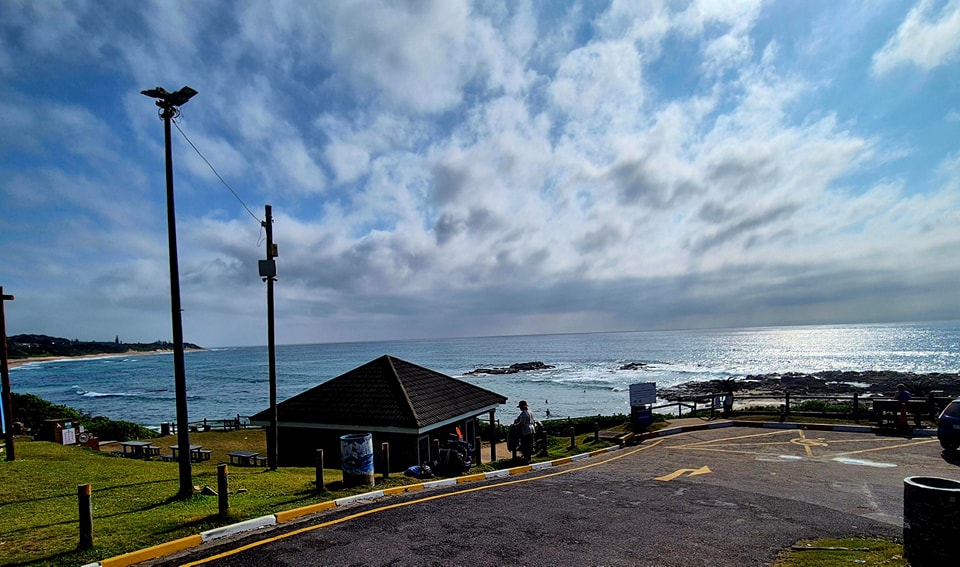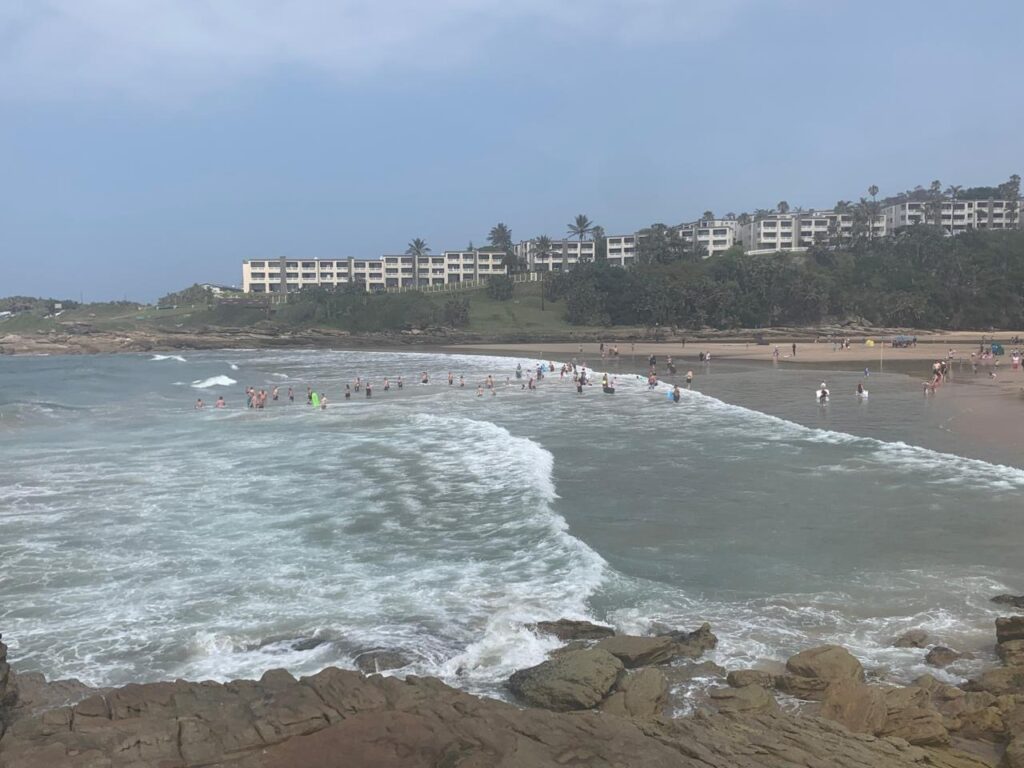

South Africa is one of the few destinations in the world where travellers can experience both stunning coastal scenery and world-class wildlife within a single trip. From warm ocean waters and sandy beaches to iconic safari landscapes, a well-planned itinerary allows you to enjoy the best of both worlds. This is where the concept of a “coast to safari” holiday truly comes to life.
Whether you begin your journey along the coast and end in the bush, or reverse the route, combining these two experiences creates a diverse and memorable getaway. In this guide, we explore how to plan the ultimate South African trip that blends coastal relaxation with an authentic safari adventure.
Why Combine Coast and Safari?
South Africa’s geography makes it uniquely suited for multi-experience travel. Coastal regions and wildlife reserves are often within manageable travel distance, allowing visitors to enjoy both environments in one holiday.
A combined coast and safari itinerary offers:
- Relaxation and adventure in one trip
- Variety in landscapes and activities
- A balanced travel experience
- Opportunities for both leisure and exploration
For many travellers, this type of holiday provides the perfect contrast between peaceful beach days and exciting game drives.
Starting Your Journey on the Coast
A coastal stay is often the ideal way to begin your holiday. It allows you to unwind after travel, adjust to the environment, and enjoy a slower pace before heading into safari territory.
Popular Coastal Regions
South Africa has several coastal areas worth exploring:
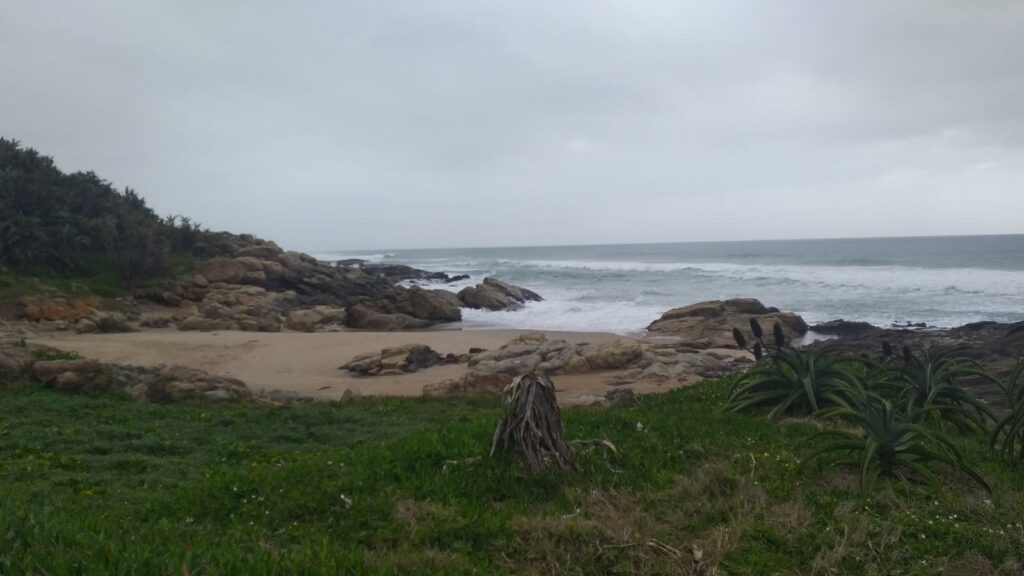
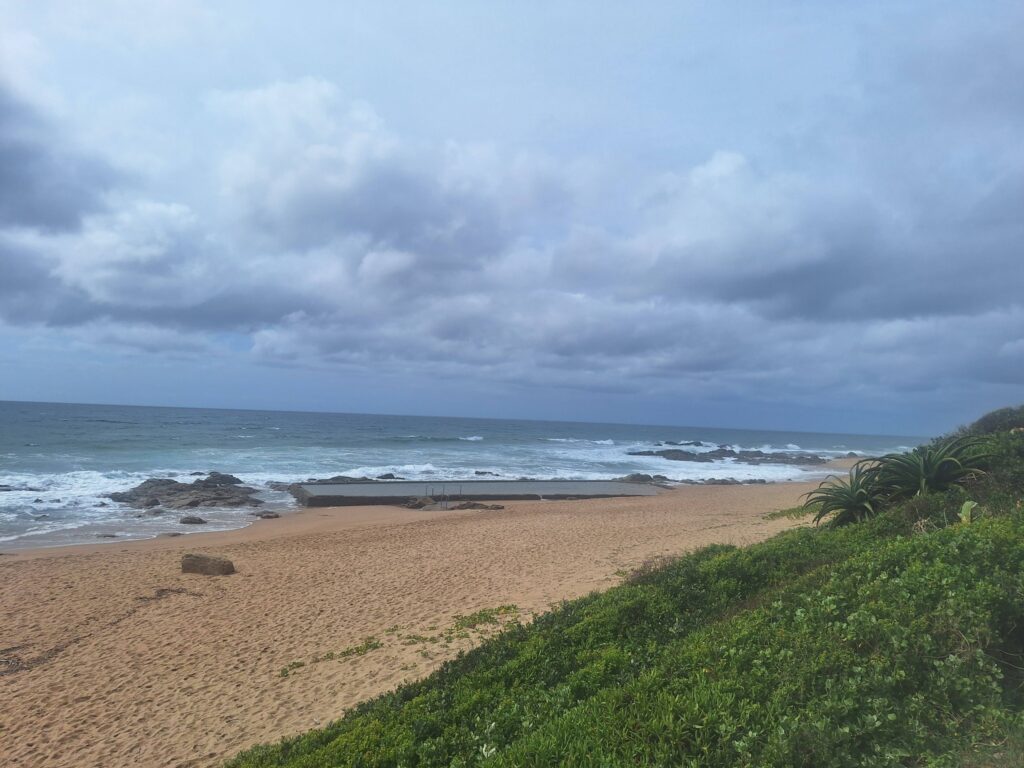
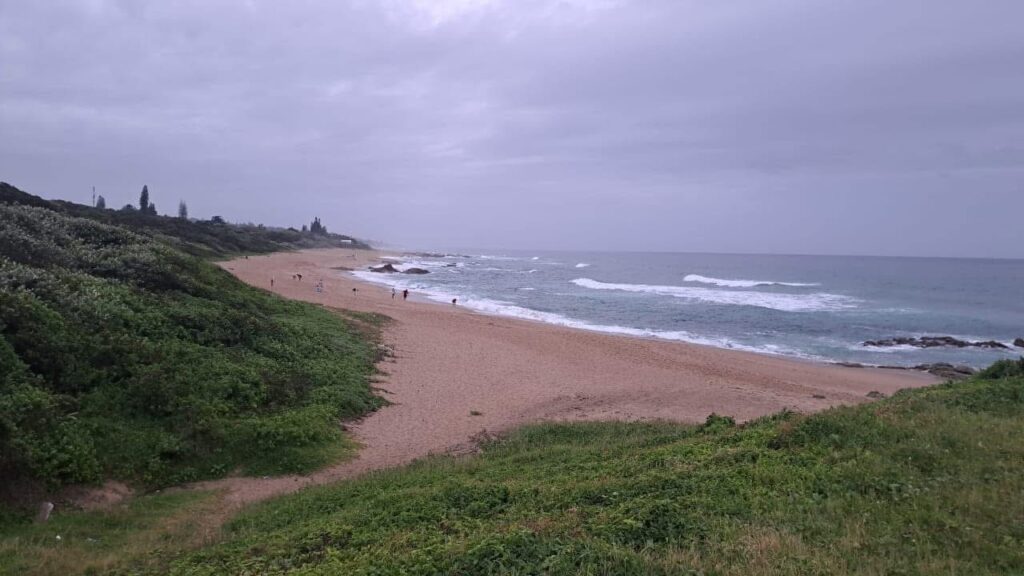
- KwaZulu-Natal coastline, including the South Coast and Durban region
- The Garden Route along the Western Cape
- Cape Town and surrounding beaches
Each destination offers its own unique atmosphere, from vibrant urban beaches to quieter, more secluded stretches of coastline.
Coastal Accommodation Options
There are many accommodation providers catering to beach-focused holidays. For travellers exploring the South Coast, platforms such as Seaside Escapes (https://www.seasideescapes.co.za/) offer a range of coastal holiday rentals ideal for relaxing before your safari journey begins.
What to Do on the Coast
While staying along the coast, travellers can enjoy:
- Beach walks and swimming
- Local dining and seafood experiences
- Water activities such as surfing or snorkeling
- Relaxation and scenic views
This portion of the trip is typically focused on rest, exploration, and enjoying the ocean environment.
Transitioning from Coast to Safari
The journey from the coast to a safari destination is an essential part of the experience. Depending on your chosen route, this may involve a scenic drive or a short domestic flight.
Travel Options
- Self-drive routes for flexibility and scenic stops
- Domestic flights to nearby airports for convenience
- Guided transfers for a more structured experience
Planning this transition carefully ensures you make the most of your travel time while avoiding unnecessary stress.
Safari Destination: Marloth Park and Kruger National Park
A key highlight of any coast-to-safari trip is visiting one of South Africa’s most iconic wildlife regions, including Kruger National Park.
Nearby Marloth Park serves as an excellent base for safari travellers, offering accommodation in a natural bush environment right next to the park.
Why Choose Marloth Park?
- Close proximity to Kruger’s southern gates
- Wildlife roaming freely in the surrounding area
- Self-catering accommodation options
- A quieter, more private alternative to staying inside the park
A lodge such as Sekwa Lodge (https://sekwa.co.za/) provides a comfortable base for exploring the region while maintaining flexibility and independence.
What to Expect on Safari
A safari experience differs significantly from a coastal stay. Instead of ocean views and leisure activities, the focus shifts to wildlife viewing and nature exploration.
Game Drives
Game drives are the core activity in Kruger National Park. These can be done:
- Early in the morning
- Late in the afternoon
- As full-day excursions
Wildlife sightings vary, but visitors may encounter elephants, lions, giraffes, zebras, and a wide range of other species in their natural habitat.
Bush Environment
The safari environment is defined by:
- Open landscapes
- Natural vegetation
- Quiet, expansive surroundings
- A strong sense of immersion in nature
This contrasts sharply with the coastal environment, making the combination particularly rewarding.
Sample Coast to Safari Itinerary
A well-balanced itinerary helps maximise both experiences without feeling rushed.
Days 1–3: Coastal Stay
- Arrive and settle in
- Explore beaches and surrounding areas
- Enjoy local cuisine and relaxation
- Engage in light activities and sightseeing
Travel Day
- Transition from coast to safari region
- Travel via road or flight depending on your route
- Arrive at your safari accommodation and unwind
Days 4–7: Safari Experience
- Early morning game drives
- Afternoon or sunset drives
- Relaxation at your lodge between excursions
- Optional guided tours or self-drive safaris
Best Time to Plan a Coast to Safari Trip
South Africa is a year-round destination, but timing can influence your experience.
Dry Season (Winter Months)
- Better wildlife visibility
- Cooler temperatures for game drives
- Ideal safari conditions
Summer Months
- Lush coastal landscapes
- Warmer beach conditions
- Increased bird activity in safari areas
Choosing the right season depends on whether you prioritise wildlife sightings or coastal conditions.
Accommodation Options
Accommodation plays a major role in shaping your experience.
Coastal Accommodation
For coastal stays, travellers can choose from platforms like Seaside Escapes (https://www.seasideescapes.co.za/), which specialises in seaside holiday rentals suited for short or extended beach getaways.
Safari Accommodation
For the safari portion of your trip, options such as Sekwa Lodge (https://sekwa.co.za/) in Marloth Park provide a self-catering bush experience close to Kruger National Park.
Accommodation options include:
- Self-catering lodges
- Private bush lodges
- Rest camps within Kruger National Park
Each option offers different levels of comfort, privacy, and immersion in nature.
Travel Tips for a Smooth Experience
To ensure a seamless coast-to-safari journey, consider the following:
- Plan your route in advance
- Book accommodation early, especially during peak seasons
- Allow enough time for travel between destinations
- Pack appropriately for both coastal and bush environments
- Keep essentials such as travel documents, sunscreen, and comfortable clothing
Who Is This Type of Holiday For?
A coast to safari getaway is suitable for a wide range of travellers:
- Couples seeking a romantic and diverse holiday
- Families looking for variety and adventure
- International visitors wanting a complete South African experience
- Travellers combining relaxation with wildlife exploration
Combining coastal relaxation with a safari adventure
Combining coastal relaxation with a safari adventure creates one of the most well-rounded travel experiences available in South Africa. From the calming rhythm of the ocean to the excitement of wildlife encounters, a coast to safari itinerary offers contrast, variety, and memorable moments.
Destinations along the South Coast, paired with safari regions such as Marloth Park and Kruger National Park, make it possible to design a journey that flows naturally from beach to bush. With accommodation options like Seaside Escapes for coastal stays and Sekwa Lodge for the safari portion, travellers can enjoy a balanced and well-supported holiday experience.
For those seeking a complete South African getaway, the coast to safari combination remains one of the most rewarding ways to explore the country.