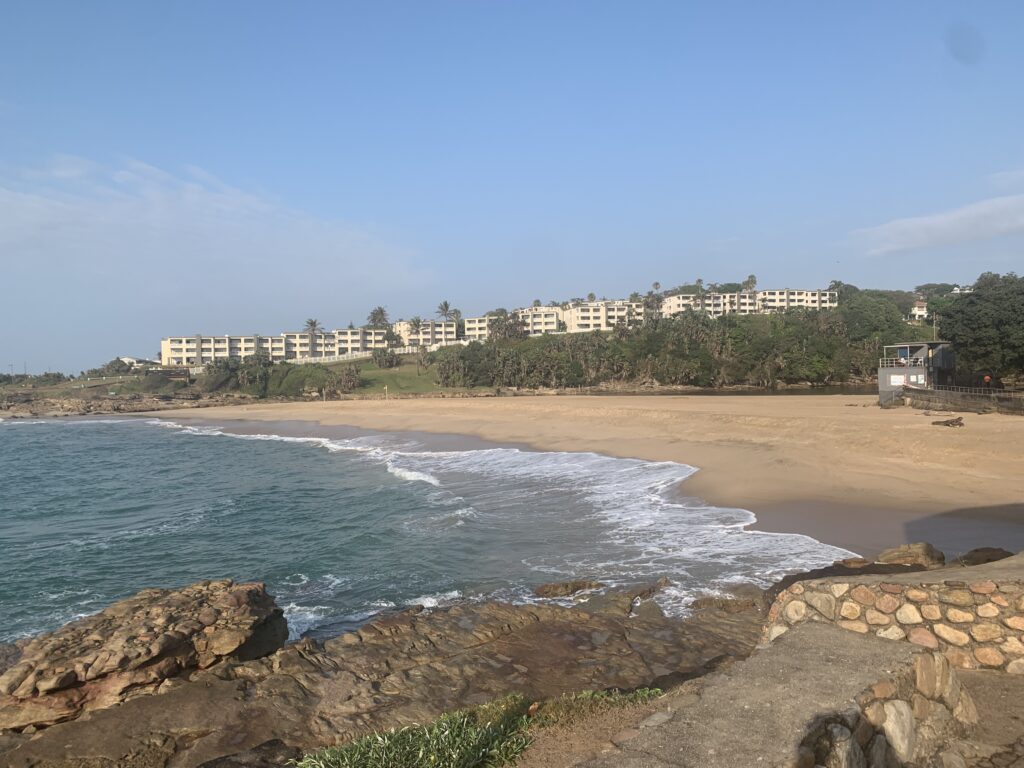
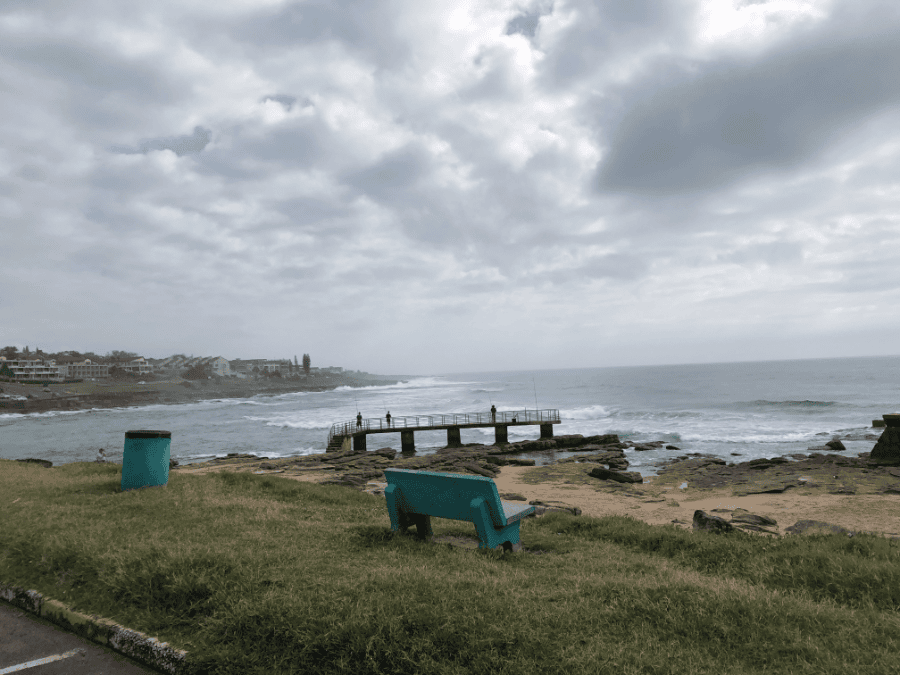
South Africa’s South Coast is a playground for nature lovers. With its pristine beaches, lush coastal forests, and vibrant marine life, it offers one of the country’s best opportunities to get close to dolphins in the wild. Whether you’re a local looking for a weekend adventure or a visitor exploring the coastline, dolphin watching here promises unforgettable experiences.
In this guide, we’ll cover the best spots, peak seasons, types of dolphins you might see, and tips to make your trip smooth and memorable.
Why the South Coast is Perfect for Dolphin Watching
The South Coast stretches from Durban’s southern suburbs down to the Eastern Cape border, including popular towns such as Margate, Port Shepstone, Uvongo, and Scottburgh. Its warm Indian Ocean currents and abundant fish make it a natural habitat for dolphins.
Dolphins are playful, social creatures, often seen riding the waves close to shore. On the South Coast, they are a regular sight in bays, estuaries, and open water. Many operators offer boat tours, but you can also spot dolphins from beaches, piers, or river mouths.
Types of Dolphins You Might See
South Africa’s South Coast is home to several dolphin species, but these are the most commonly spotted:
- Bottlenose Dolphins – Easily recognised by their curved dorsal fin, they are playful and often seen in small pods.
- Common Dolphins – Sleek and fast, often seen leaping in synchronised groups.
- Humpback Dolphins – Rare and shy, usually spotted in estuaries and sheltered bays.
Knowing what you might see adds excitement and helps you identify them during your outing.
Best Spots for Dolphin Watching
1. Uvongo Beach and Tidal Pool
Uvongo is famous for its tidal pool and scenic cliff paths. Dolphins are often spotted offshore, especially early morning or late afternoon. The tidal pool is a great vantage point for families who prefer staying on land.
2. Margate and Marina Beach
Margate’s wide beaches and clear water make it ideal for spotting pods swimming close to the shoreline. Keep an eye out for surfers—dolphins often ride the same waves.
3. Port Shepstone Harbour
Harbours attract fish, which in turn attract dolphins. From the harbour, you can sometimes see them swimming near fishing boats or following shoals of baitfish.
4. Shelly Beach and St Michael’s-on-Sea
These smaller beaches provide quieter spots for dolphin watching, especially during weekdays. Estuary mouths nearby can also attract juvenile dolphins.
5. Boat Tours from South Coast Towns
Many towns offer boat tours dedicated to dolphin (and whale) watching. Operators in Margate, Port Shepstone, and Scottburgh follow sustainable practices, ensuring minimal disturbance to marine life.
When is the Best Time for Dolphin Watching?
Unlike whale watching, dolphins are year-round residents, so you don’t need to plan around a strict season. However, there are patterns to keep in mind:
- Early morning – Water is calmer, and dolphins are more active near shore.
- Late afternoon – Dolphins often feed closer to beaches before sunset.
- Summer months (November–March) – Clearer water and warmer temperatures make sightings more enjoyable.
Weather conditions affect visibility, so check the forecast and avoid rough sea days if you plan a boat tour.
Tips for a Great Dolphin Watching Experience
- Stay patient – Dolphins are wild animals. Sometimes it takes a while for them to appear.
- Use binoculars – Even a small pair can enhance land-based viewing.
- Bring a camera with zoom – Capture photos without disturbing the dolphins.
- Respect wildlife – Keep a safe distance and avoid making loud noises or splashing.
- Go with a guide if unsure – Local guides know the best spots and times for sightings.
Combining Dolphin Watching with Other South Coast Adventures
Dolphin watching can be part of a larger South Coast exploration:
- Surfing and swimming – Many beaches are also surf-friendly.
- Snorkelling and diving – Explore reefs where dolphins often hunt.
- Beach walks and cliff trails – Scenic viewpoints offer the chance to spot dolphins and birds.
- Wildlife reserves nearby – Add a safari day to see coastal antelope and birds.
By planning a full-day adventure, you can experience the South Coast’s natural beauty from multiple angles.
Sustainable Dolphin Watching
Responsible tourism ensures dolphins remain a part of South Africa’s coastline for generations. Follow these guidelines:
- Choose operators with eco-friendly certifications
- Avoid feeding or trying to touch wild dolphins
- Respect marine park boundaries
- Support local conservation projects
By watching responsibly, you contribute to protecting marine life while enjoying a memorable experience.
What to Pack for Dolphin Watching
- Binoculars or a zoom camera
- Sun protection: hat, sunscreen, sunglasses
- Comfortable shoes for beach or cliff walks
- Water and light snacks
- Light jacket for early mornings or evenings
Packing smart ensures you can stay longer and fully enjoy the experience without discomfort.
Final Thoughts
Dolphin watching on South Africa’s South Coast is an unforgettable experience for locals and visitors alike. The combination of accessible beaches, warm waters, and playful dolphins makes it a must-do activity for nature lovers and adventure seekers.
Whether you stay onshore at Uvongo’s tidal pool, join a guided boat tour from Margate, or explore quieter estuary mouths, dolphins are waiting to provide a magical glimpse of life in the Indian Ocean.
Make your next South Coast visit more memorable by taking the time to watch, respect, and enjoy these amazing creatures in their natural environment.
Frequently Asked Questions (FAQ)
Q: Can I see dolphins from the beach?
Yes. Many South Coast beaches, like Uvongo and Margate, allow you to see dolphins without a boat. Early mornings and late afternoons are best.
Q: Are there costs for dolphin watching?
Beach spotting is free. Boat tours typically range from R200–R500 per person, depending on duration and location.
Q: What other wildlife can I see?
Besides dolphins, you may spot seabirds, whales (seasonal), and even turtles near estuaries.
Q: Do I need experience for dolphin watching?
No. Both guided tours and land-based spotting are suitable for beginners and families.
Q: How long should I plan for a dolphin watching trip?
A few hours is usually enough, but a half-day trip lets you combine beach walks, photography, or boat tours.