
Is It Safe to Visit South Africa 2026?
South Africa is generally safe for tourists who take standard safety precautions and stay in well-traveled areas. While travel advisories recommend a higher level of caution due to crime in certain urban areas, these risks rarely affect visitors who plan ahead and use reputable transport and accommodation. From the KwaZulu-Natal South Coast to the Western Cape, millions of international travelers visit South Africa each year, enjoying its beaches, wildlife, and culture with a safe, well-prepared approach.
Why South Africa Is Worth Visiting
South Africa offers a unique mix of natural beauty, cultural diversity, and adventure.
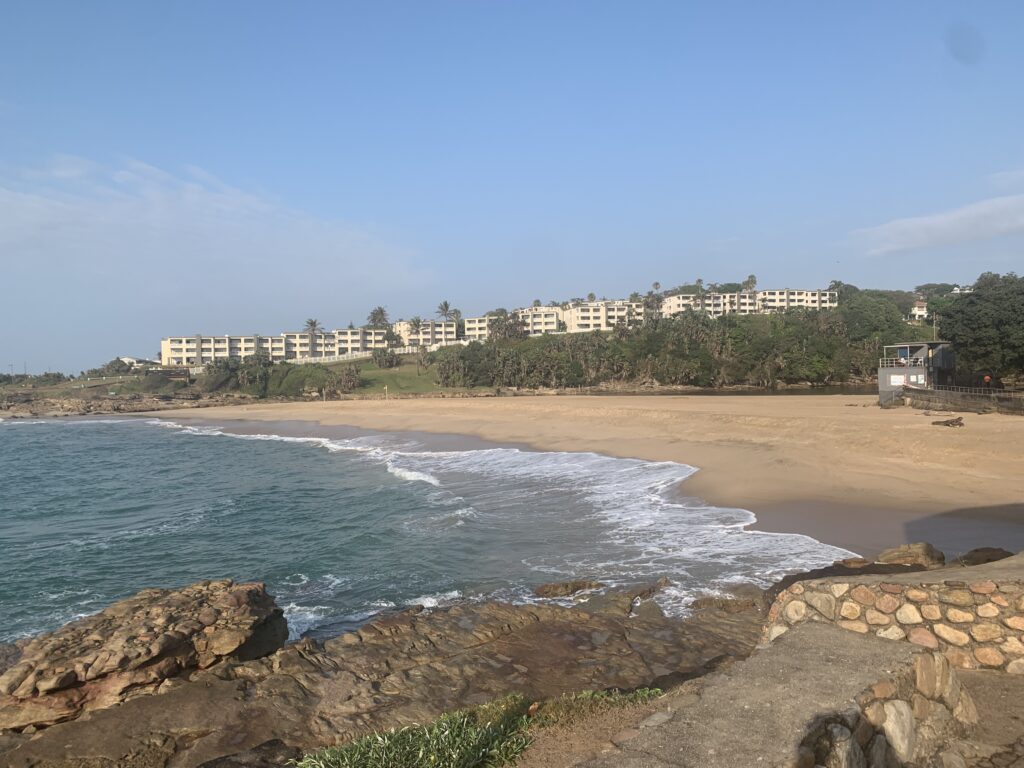
- Coastal towns and beaches: Margate, Ramsgate, Uvongo, Shelly Beach, and Manaba are family-friendly, well-maintained, and lifeguarded.
- Wildlife and safaris: From Kruger National Park to private game reserves, visitors can safely experience the Big Five with professional guides.
- Cultural experiences: Cities and towns reflect a rich blend of history, languages, and traditions.
- Adventure activities: Hiking, surfing, shark cage diving, paragliding, and marine excursions are widely available.
South Africa’s tourism infrastructure is well-developed in major cities, coastal towns, and popular travel regions, making it suitable for both first-time and repeat visitors.
Major Towns, Cities, and Airports
South Coast Towns
- Margate: Popular for beaches, restaurants, and family accommodation.
- Ramsgate: A quieter coastal village ideal for relaxed getaways.
- Uvongo: Known for its lagoon, waterfall, and swimming beach.
- Shelly Beach: Popular for fishing, diving, and water sports.
- Port Shepstone: The region’s commercial hub with hospitals and shopping centres.
Major Cities
- Durban (KwaZulu-Natal): Gateway city to the KZN South Coast, known for warm beaches, a strong tourism presence, and excellent medical facilities.
- Johannesburg (Gauteng): South Africa’s largest city and economic hub. Business districts and tourist zones are well-patrolled and widely used by international travelers.
- Cape Town (Western Cape): Iconic landmarks such as Table Mountain, world-renowned beaches, wine routes, and strong tourism safety infrastructure.
- Pretoria (Gauteng): Administrative capital with embassies, universities, and leafy suburbs. Generally calm and secure in residential and business districts.
- Gqeberha / Port Elizabeth (Eastern Cape): Coastal city with beaches and wildlife reserves nearby.
- East London (Eastern Cape): Coastal city offering beaches and river activities, often a gateway to the Wild Coast.
- Bloemfontein (Free State): Central inland city, known for quieter suburbs and good road connectivity.
- Mbombela / Nelspruit (Mpumalanga): Gateway to Kruger National Park with strong safari infrastructure.
- Polokwane (Limpopo): Regional capital serving northern South Africa, often used by travelers heading toward game reserves and cross-border routes.
Key Airports
- King Shaka International Airport (Durban): Main airport for the South Coast.
- OR Tambo International Airport (Johannesburg): Largest international gateway.
- Cape Town International Airport: Western Cape access point.
- Margate Airport: Regional airport for local South Coast travel.
Pre-Trip Planning for a Safe Visit
- Travel insurance: Cover medical emergencies, cancellations, and adventure activities.
- Health precautions: Visit a travel clinic for vaccinations and malaria advice if required.
- Embassy registration: Optional, but useful for additional support.
- Accommodation and tours: Choose well-reviewed hotels and licensed operators.
- Document safety: Keep digital and physical copies of passports and visas separate.
- Transport planning: Prebook airport transfers, car rentals, or licensed ride services.
Everyday Safety Tips
- Avoid displaying valuables.
- Store passports and spare cash in hotel safes.
- Stay alert in busy areas.
- Lock vehicles and keep valuables out of sight.
- Use licensed taxis or ride-hailing services.
- Keep emergency contact numbers readily available.
KwaZulu-Natal South Coast Travel Safety
- Swim only at lifeguarded beaches.
- Book licensed operators for activities.
- Respect wildlife and marine life.
- Use reputable transport services for local travel and transfers.
Safari and Wildlife Safety
- Follow ranger and guide instructions.
- Never feed or approach wild animals.
- Remain inside vehicles during game drives.
- Stay alert near rivers and dams.
Health and Medical Facilities
- Modern private hospitals and clinics are available in major towns.
- Carry prescribed medication in original packaging.
- Tap water is generally safe to drink.
- Malaria is not a concern on the South Coast.
Road Safety Tips
- Avoid night driving on poorly lit rural roads.
- Use main highways and toll roads.
- Lock vehicles and hide valuables.
- Plan fuel and water stops for longer trips.
Common Tourist Scams to Avoid
- Use ATMs inside banks.
- Politely decline unsolicited assistance.
- Book tours only through licensed operators.
- Verify identification if approached by officials.
Solo Travelers
- Share your itinerary.
- Choose reputable accommodation.
- Avoid isolated areas at night.
- Use licensed transport services.
Emergency Numbers
- Police: 10111
- Ambulance / Medical: 10177
- Mobile emergency: 112
- Tourism helpline: 083 123 6789
- ER24: 084 124
- Netcare 911: 082 911
International Travelers: Canada & USA
Canadian Tourists
- Travel documents & entry: No visa for stays up to 90 days. Passports must be valid 30 days beyond departure.
- Flights & connections: OR Tambo or Cape Town International, domestic flights to King Shaka or regional airports.
- Health & safety: Travel insurance recommended, South Coast low-risk for malaria.
- Practical tips: Carry a mix of cash and cards, use licensed transfers, follow local safety guidance.
American Tourists
- Travel documents & entry: No visa for visits up to 90 days.
- Flights & connections: Johannesburg or Cape Town, domestic travel to South Coast via flights or roads.
- Health & safety: Comprehensive travel insurance essential.
- Practical tips: Drive on the left-hand side, use reputable transport, keep embassy contacts handy.
Using South Coast Explore
- Tailored itineraries.
- Licensed accommodation and operator recommendations.
- Transfer bookings.
- Local insights on beaches, activities, and safety measures.
Benefits for International Travelers
- Safe, stress-free beach and wildlife experiences.
- Access licensed guides for adventure and safari.
- Navigate airports, domestic transfers, and regional travel efficiently.
- Receive local safety advice and emergency contacts.
FAQs About Visiting South Africa
1. Is South Africa safe for tourists?
Yes, tourists who follow common-sense precautions, stay in well-traveled areas, and use licensed operators can safely explore South Africa.
2. What types of crime exist in South Africa?
Mostly petty theft, pickpocketing, and vehicle break-ins. Violent crime is uncommon in tourist areas but staying alert is recommended.
3. Do I need malaria protection?
Malaria prophylaxis is only necessary in northern KZN, Limpopo, and endemic regions. The South Coast and Western Cape are low-risk areas.
4. Is public transportation safe?
Licensed taxis, ride-hailing apps, and buses in major towns are generally safe. Avoid informal or unregulated transport options.
5. How accessible is healthcare?
Major towns have modern private hospitals and clinics. Remote areas may require travel to access medical facilities.
6. Can I drive safely in South Africa?
Yes, main highways and toll roads are well-maintained. Avoid night driving in rural areas and keep valuables out of sight.
7. Which towns and cities should I know?
Key towns: Margate, Ramsgate, Uvongo, Shelly Beach, Port Shepstone. Major cities: Durban, Johannesburg, Cape Town, Pretoria, Gqeberha, East London, Bloemfontein, Mbombela, Polokwane.
8. Which airports are best for the South Coast?
King Shaka International (Durban), OR Tambo International (Johannesburg), Cape Town International, and regional airports like Margate.
9. Are the beaches safe?
Yes, lifeguarded beaches such as Margate, Ramsgate, Shelly Beach, and Uvongo are safe for swimming. Always swim between the flags.
10. How can I plan a safe visit?
Use travel insurance, book reputable accommodations and operators, research local areas, and keep emergency contacts handy.
11. What are the emergency numbers?
Police: 10111, Ambulance: 10177, Mobile emergency: 112, Tourism helpline: 083 123 6789, ER24: 084 124, Netcare 911: 082 911.
12. Is South Africa safe for solo travelers?
Yes, with precautions. Stay in populated areas, use licensed transport, and inform someone of your itinerary.
13. Is it safe to go out at night?
Stick to well-lit, busy areas and use licensed transport. Avoid walking alone in unfamiliar neighborhoods.
14. Can I use credit/debit cards?
Yes, widely accepted in cities and tourist areas. Carry some cash for remote locations and small purchases.
15. What vaccinations are recommended?
Routine vaccinations are recommended, plus Hepatitis A/B and Typhoid for some travelers. Consult a travel clinic before your trip.
16. Is tap water safe to drink?
Yes, in most major towns and tourist areas. Bottled water is advised in remote regions.
17. Are safaris safe?
Yes, when conducted with licensed guides. Always follow instructions and never feed or approach wildlife.
18. Are there family-friendly areas?
Yes, coastal towns like Margate, Ramsgate, Shelly Beach, and Uvongo offer lifeguarded beaches and secure accommodations.
19. What languages are spoken?
South Africa has 11 official languages, including English, Afrikaans, Zulu, and Xhosa. English is widely spoken in tourist areas.
20. Can I drive between cities?
Yes, main highways are safe and well-maintained. Avoid rural roads at night and plan fuel and rest stops for longer trips.
South Africa Is Safe and Beautiful
With proper planning, common-sense precautions, and reliable local support, South Africa—especially the KwaZulu-Natal South Coast—is a safe, welcoming, and unforgettable destination. South Coast Explore assists travelers with planning, trusted accommodation and operator recommendations, transfers, and local insights. Whether for a family beach holiday, adventure trip, or wildlife experience, South Africa rewards prepared travelers with extraordinary experiences and lasting memories.