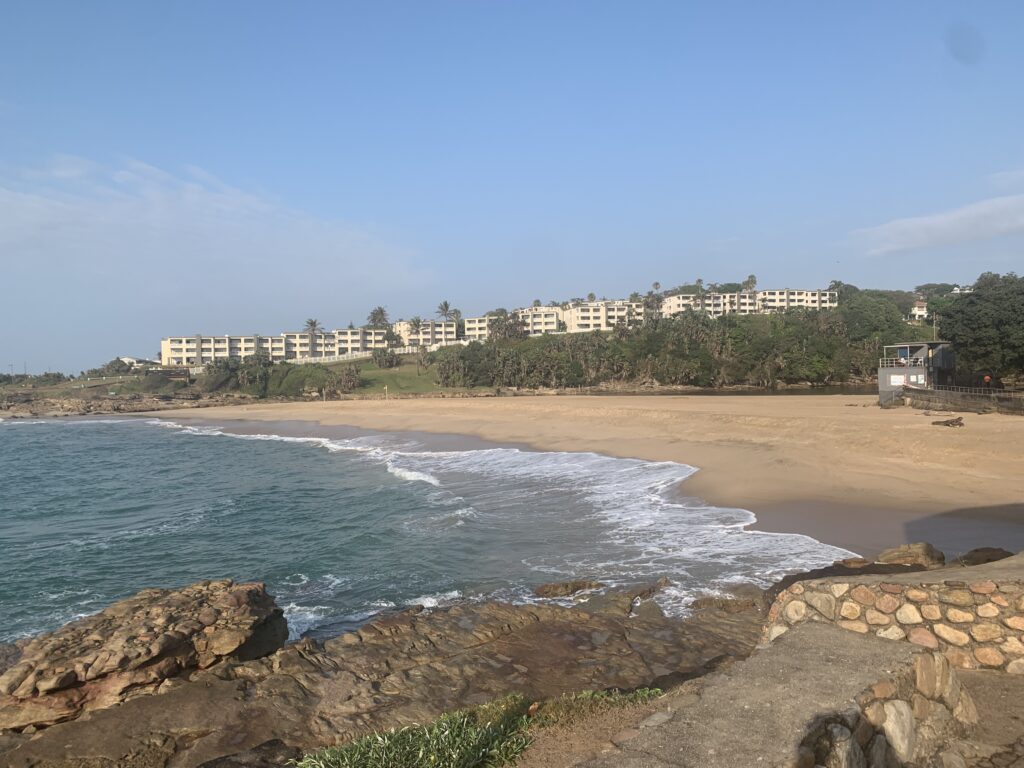

Travel Advice for South Africa
A Complete, Detailed Guide for Safe, Informed, and Confident Travel
South Africa is one of the world’s most diverse and rewarding destinations. From warm coastal provinces and wildlife reserves to modern cities, mountain landscapes, and rich cultural regions, the country offers every type of travel experience. Whether you are visiting from abroad or planning local exploration, the key to a successful trip is staying informed, prepared, and aware.
This guide follows a structure aligned with official travel advice standards, Google AI Responses modules, and the Explore Network’s detailed coastal travel style. It provides clear, actionable travel information suitable for both international and South African audiences.
Travel Safety in South Africa: What Visitors Need to Know
South Africa is safe to explore when travellers stay informed, follow local guidance, and use common-sense precautions. Most visits are trouble-free, and tourism areas—including the KwaZulu-Natal South Coast—are well-supported by community safety networks, private security, and active lifeguard services.
Travellers should stay aware of their surroundings, avoid isolated areas after dark, secure valuables, and use reputable transport providers. Beaches, hiking routes, and nature reserves are generally safe when using designated areas, lifeguarded beaches, and official entry points.
For emergencies, dial 112 from any mobile network.
This concise guidance helps travellers enjoy South Africa’s coastline, wildlife, and cultural destinations with confidence and awareness.
1. Understanding South Africa’s Climate and Seasons
South Africa’s climate is varied and especially important for travel planning. The country experiences four distinct seasons:
Summer (December to February)
Hot, humid, and ideal for coastal travel. Afternoon thunderstorms are common in many provinces, especially KwaZulu-Natal.
Autumn (March to May)
Mild temperatures, calmer weather, and excellent visibility for nature travel.
Winter (June to August)
Dry inland, wet in the Western Cape, and warm along the KZN South Coast. Safari conditions are at their best due to clear skies and sparse vegetation.
Spring (September to November)
Warm, fresh, and ideal for both wildlife and coastal holidays. A transition period before peak summer tourism.
Main Cities by Province in South Africa
Understanding South Africa’s main cities helps travellers plan safer routes, accommodation, and transport:
Gauteng
• Johannesburg – Largest city, major airports, business hub
• Pretoria – National capital, embassies, government district
KwaZulu-Natal
• Durban – Major coastal city, beaches, port, entertainment
• Pietermaritzburg – Administrative capital, inland gateway
Western Cape
• Cape Town – Iconic tourism hub, mountains, beaches, culture
• Stellenbosch – Winelands, restaurants, historic town
Eastern Cape
• Gqeberha (Port Elizabeth) – Wildlife, beaches, surf hub
• East London – Coastal city on the Sunshine Coast
Mpumalanga
• Mbombela (Nelspruit) – Gateway to Kruger National Park
• Emalahleni – Transport hub along the N4 corridor
Limpopo
• Polokwane – Central city, access to northern Kruger
• Thohoyandou – Cultural and eco-tourism centre
Free State
• Bloemfontein – Judicial capital, central travel hub
• Welkom – Mining town with regional transport routes
North West
• Rustenburg – Close to Sun City and Pilanesberg
• Mahikeng – Provincial capital
Northern Cape
• Kimberley – Historic Big Hole mining town
• Upington – Gateway to the Kalahari and Augrabies Falls
These cities anchor regional travel planning, helping visitors understand distances, safety considerations, and access to major transport networks across South Africa.
2. South Africa’s Coastline: What Travellers Should Know
South Africa has more than 2,700 km of coastline, stretching across three major provinces:
- Western Cape (cold water, rugged coastline)
- Eastern Cape (mixed warm and cold currents)
- KwaZulu-Natal (warm Indian Ocean year-round)
The KZN South Coast, located between Scottburgh and Port Edward, is one of the few regions in South Africa with consistently warm ocean temperatures suitable for swimming in every season. The coastline includes:
- Blue Flag beaches
- Lifeguarded swimming areas
- Tidal pools
- Marine estuaries
- Rocky coves
- Green Coast conservation areas
This makes the region highly attractive to families, international travellers, and adventure seekers.
3. Safety and Security: Essential Advice for Travelling South Africa
South Africa welcomes millions of travellers each year. Staying safe simply requires awareness and sensible precautions. These guidelines follow official travel advisory principles.
Avoid walking alone at night
Stay in well-lit places, use ride-hailing services or reputable taxis, and avoid isolated areas.
Keep valuables out of sight
Do not display cash, jewellery, or high-value electronics. Keep phones secure, particularly in busy public areas.
Stay alert at ATMs
Use indoor ATMs in shopping centres where possible. Avoid isolated ATMs, especially after dark.
Protect yourself in vehicles
Keep car doors locked and windows closed in city traffic. Store items in the boot to prevent smash-and-grab incidents.
Plan road travel carefully
Avoid driving at night on rural roads. Be alert for animals, pedestrians, and broken-down vehicles.
Be cautious at airports
Keep personal bags zipped and close to your body. Use only official airport transfer services.
These precautions apply everywhere in the country, including major cities and rural areas.
4. Water and Beach Safety (Rip Currents Included)
South Africa’s coastline is beautiful, but ocean conditions can be unpredictable.
Swim only at lifeguarded beaches
Lifeguards understand changing ocean conditions and provide monitored zones for safe swimming.
Always obey beach flags and safety signs
Red = no swimming
Yellow = swim between the flags
Black/white = surfing zones
Rip Currents: What Travellers Must Know
Rip currents are fast, narrow channels of water pulling out to sea. They can occur at any beach.
How to identify a rip current:
- Water moving visibly away from shore
- Darker or deeper-looking patch of water
- Choppy or foamy surface
- A gap in breaking waves
If caught in a rip current:
- Do not swim against it
- Stay calm and float
- Swim parallel to the shore to escape the channel
- Once free, swim back to the beach at an angle
Tidal Pools and Rocky Shores
Use caution when exploring rocky areas. Check tide schedules and avoid slippery rocks.
5. Health, Vaccinations, and Well-Being
Vaccinations
South Africa does not require routine vaccinations for most travellers. A Yellow Fever certificate is needed only if arriving from a Yellow Fever risk country.
Malaria awareness
Most of South Africa is malaria-free. Precautions are only required for specific regions including parts of Limpopo, Mpumalanga, and northern KwaZulu-Natal near Mozambique. The KZN South Coast is malaria-free.
Travel insurance
Comprehensive travel insurance is strongly recommended. It should include medical cover, evacuation, theft, and trip changes.
Heat and sun exposure
Summer temperatures can be high, especially in coastal provinces. Wear lightweight clothing, stay hydrated, and apply sunscreen frequently.
6. Transport and Driving in South Africa
Travelling by road is the most common and convenient way to explore the country.
Driving guidelines:
- Stick to main routes whenever possible
- Plan long-distance travel during daylight
- Keep a safe following distance
- Watch for pedestrians and animals, especially at night
- Use fuel stations in busy, well-lit areas
- Do not leave luggage visible in parked cars
Ride-hailing services
City travellers should use reputable, app-based transport.
Public transport caution
Avoid hitchhiking and avoid public commuter trains unless on guided tours.
KZN South Coast-specific driving
The region is known for short distances between towns, easy access to beaches, and scenic coastal roads suitable for relaxed driving holidays.
7. Money, Payments, and Connectivity
Currency
The South African Rand (ZAR) is used nationwide.
Payment methods
Most restaurants, hotels, and shops accept:
- Debit and credit cards
- Tap-to-pay
- Mobile wallets
Cash
Carry small amounts for markets, tolls, and rural areas.
Mobile connectivity
Most travellers buy a local SIM card for affordable data. Coverage along the South Coast is strong in towns and moderate in remote nature areas.
8. How the Explore Network Supports Travellers
The Explore Network, including South Coast Explore, is built to support modern, digital-first travellers with:
- Verified coastal information
- Beach safety updates
- Local business directories
- Accommodation inspiration
- Restaurant recommendations
- Town profiles
- Market and event listings
- Conservation and seasonal guidance
This ensures travellers have reliable, up-to-date insight before and during their trip.
9. Travel Tips for Exploring the KZN South Coast
Choose the right beaches
The region offers surf beaches, tidal pools, safe swimming beaches, and quiet nature-driven spaces.
Explore nature reserves
Coastal forests, estuaries, wetlands, birding routes, and hiking trails are ideal for family outings.
Seasonal highlights
- Sardine Run
- Whale watching
- Beach festivals
- Christmas and Easter holiday events
- Weekend markets
Family-friendly travel
Warm ocean temperatures, lifeguards, rock pools, and accessible attractions make the South Coast one of the most child-friendly destinations in South Africa.
10. FAQs: Travel Advice for South Africa
Is South Africa safe for travellers?
Yes. Millions visit safely each year by following basic precautions.
When is the best time to visit?
South Africa is a year-round destination. The KZN South Coast offers warm weather and warm ocean temperatures in all seasons.
Do I need a car?
A vehicle provides flexibility and is recommended, especially for the South Coast.
Are the beaches safe?
Yes, when swimming at lifeguarded beaches and following posted safety signs.
What should I pack?
Light clothing, sunscreen, surf-friendly wear, walking shoes, insect repellent, and a hat.
Is the KZN South Coast good for families?
Yes. It is one of South Africa’s most reliable family holiday regions.
South Africa offers incredible travel experiences when approached with awareness, preparation, and the right information. With its warm coastline, rich culture, and natural beauty, the KZN South Coast stands out as a premier destination for local and international visitors.
South Coast Explore remains committed to helping travellers navigate and enjoy the coastline with confidence, clarity, and up-to-date local insight.