Travel Trends 2026: What the World Wants Next – And Why the KZN South Coast is Set to Shine
The travel industry is entering one of its most transformative eras yet. As borders stabilise, global tourism returns to pre-pandemic levels, and travellers seek deeper, more meaningful experiences, 2026 is shaping up to be a year defined by smarter travel, nature-first destinations, and technology-enhanced exploration. From digital-nomad lifestyles to eco-centric adventures and coastal escapes, the world’s demands are shifting fast.
Among the destinations perfectly positioned to meet these new expectations, the KZN South Coast in South Africa stands out. With its warm climate, unspoiled beaches, nature reserves, Blue Flag coastlines, and growing visibility through the region’s dedicated travel platforms like South Coast Explore, the region is emerging as one of the next big contenders in global coastal tourism.
This travel trends report unpacks the top global shifts shaping 2026—and shows exactly why the KZN South Coast aligns with them.
1. Nature-First Travel Becomes the Global Priority
Travellers in 2026 are prioritising nature-based experiences more than ever. Immersive encounters in natural landscapes—whether snorkelling coral reefs, hiking coastal trails, or exploring wildlife habitats—are becoming the driving force behind holiday choices.
Destinations with clean coastlines, minimal overdevelopment, and strong conservation practices are rising to the top of global “must-visit” lists.
Why the KZN South Coast fits the trend:
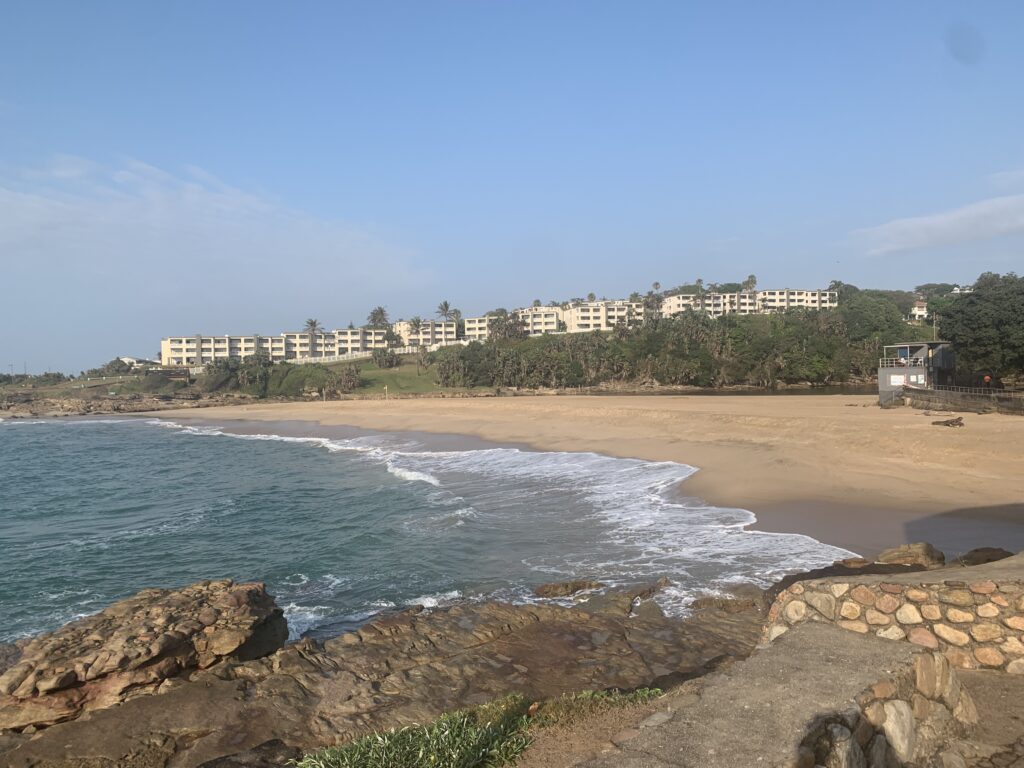
The region offers 120 km of coastline, marine-protected areas, subtropical forests, gorges, waterfalls, and Blue Flag beaches. South Coast Explore continues to highlight natural attractions like Oribi Gorge, Umtamvuna Nature Reserve, and the world-famous Aliwal Shoal—making it easier for travellers to connect with nature-first itineraries.
2. Digital Nomad and Remote Work Tourism Expands Worldwide
Remote work is no longer a niche lifestyle. It’s global. By 2026, more than 35 million global workers are living as digital nomads. These travellers demand destinations with good connectivity, affordable living, warm weather, and inspiring environments.
Countries such as Portugal, Thailand, and Mexico are already top destinations for long-stay remote workers. However, Africa is beginning to attract significant attention for its weather, landscapes, currency value, and modernising infrastructure.
Why the KZN South Coast fits the trend:
Affordable accommodation, a slower lifestyle, excellent weather, and expanding fibre connectivity make the South Coast a potential future remote-work hub. Port Shepstone, Scottburgh, Umkomaas, and Margate are all developing rapidly. With long-stay guest houses, budget beachfront apartments, and outdoor attractions, the region is well-suited to remote workers seeking affordability and natural beauty.
South Coast Explore can play a major role by creating long-stay guides, coworking maps, and digital-nomad itineraries for international visitors.
3. Regenerative Tourism Takes Over Sustainable Travel
Sustainable tourism is no longer enough. Travellers now want regenerative travel—holidays that improve the destination through conservation, community upliftment, and local economic support.
Regenerative travel focuses on leaving a place better than you found it, supporting local artisans, conserving ecosystems, and choosing low-impact experiences.
Why the KZN South Coast fits the trend:
The region is home to multiple Blue Flag beaches, Green Coast initiatives, community-driven eco-tours, local craft markets, and growing wildlife sanctuaries. Local tourism operators increasingly spotlight community involvement, from craft markets in Uvongo and Ramsgate to conservation projects in Oribi Gorge and Aliwal Shoal.
South Coast Explore often promotes these initiatives, making it easy for travellers to choose responsibly.
4. Coastal Wellness Becomes a Global Travel Priority
Wellness tourism is expected to reach new global heights in 2026. Travellers increasingly want calming environments, ocean views, light activity, spa experiences, yoga retreats, and nature-based restorative breaks.
Coastal destinations outperform other landscapes in the wellness category because oceans naturally lower stress levels and improve well-being.
Why the KZN South Coast fits the trend:
The region offers quiet beaches, warm waters, surfing schools, scuba diving, nature trails, coastal yoga sessions, and private wellness retreats. Resorts and guest houses across Southbroom, Uvongo, and Pennington are increasingly offering wellness-focused experiences.
South Coast Explore’s content strategy can further expand this by spotlighting wellness itineraries and beachfront retreats.
5. Hyper-Local Experiences Dominate Global Travel Searches
Travellers want authentic, local, everyday experiences—food markets, small cafés, community-led tours, local history walks, craft villages, and interactions with residents.
This trend has been strengthened by social media, where travellers showcase hidden spots rather than mainstream tourist sites.
Why the KZN South Coast fits the trend:
The region is full of hyper-local gems:
- Local coffee shops in Shelly Beach and Southbroom
- Craft markets such as Uvongo Flea Market
- Fishing villages, tidal pools, and picnic areas
- Local cuisine: curry, shisanyama, seafood, and farm stalls
- Small community parks and family-friendly attractions
South Coast Explore already focuses heavily on this style of content, giving international travellers an insider’s perspective.
6. Adventure Tourism Grows Across All Age Groups
Adventure travel is expanding beyond young travellers. In 2026, families, solo travellers, and even seniors are seeking adventure activities—from mild to extreme.
Globally, travellers are choosing:
- Ziplining
- Rock climbing
- Shark cage diving
- Mountain biking
- Gorge swings
- Coastal hikes
- Snorkelling and scuba diving
Why the KZN South Coast fits the trend:
The region offers:
- The Oribi Gorge swing (one of the highest in the world)
- World-class diving at Aliwal Shoal
- Surfing and surf schools
- Mountain biking trails across forest reserves
- Ziplining and river rafting
- Guided coastal forest walks
This positions the South Coast as one of the top adventure hubs in South Africa—an angle South Coast Explore can amplify globally.
7. Multi-Generational Travel Surges Globally
Families aren’t travelling in small groups anymore. Grandparents, parents, children, and even extended family are taking trips together. This creates demand for:
- Larger accommodation options
- Family-friendly attractions
- Easy-access beaches
- Multi-activity holiday packages
Why the KZN South Coast fits the trend:
It is known for its family-friendly beaches, resorts, tidal pools, hiking trails, amusement parks, and wildlife attractions. Places like Southbroom, Margate, Uvongo, and Port Edward are ideal for 3–4 generation family holidays.
The affordability of the region compared to international destinations is a strong advantage—especially with the global rise in travel costs.
8. Travelers Want Under-Touristed, Affordable Destinations
In 2026, travellers increasingly avoid overcrowded, overpriced hotspots. They are searching for peaceful, affordable destinations with high value for money.
Destinations in Eastern Europe, Southeast Asia, and Africa are experiencing rising interest because they offer beauty without the crowds.
Why the KZN South Coast fits the trend:
The region is still under-commercialised compared to Cape Town, the Garden Route, or Durban. It offers:
- Lower accommodation costs
- Quiet beaches
- Affordable dining
- Fewer crowds even in peak season
- High-value activities
As South Coast Explore grows its online footprint, international audiences can discover this under-the-radar destination.
9. Video-Driven Travel Planning Becomes the New Norm
Travel decisions are more influenced by video than ever before. Short-form content on TikTok, Instagram, and YouTube is shaping destinations, itineraries, and expectations.
Travellers want real-time visuals and authentic storytelling.
Why the KZN South Coast fits the trend:
The region has endless video-friendly locations:
- Dramatic cliffs and waterfalls
- Blue Flag beaches
- Wildlife reserves
- Ocean activities
- Markets and food culture
South Coast Explore is already using video-centric content to promote the region, giving the South Coast a competitive edge.
10. Coastal Africa Becomes a Global Trend
By 2026, coastal African destinations—from Kenya to Mozambique to South Africa—will see significant growth. Travellers want warm oceans, authentic culture, wildlife, and affordability in a destination with raw beauty.
Why the KZN South Coast stands out:
It offers the same appeal but with better infrastructure, safer swimming beaches, and high tourism potential. Its climate, coastline, affordability, and accessibility make it a top future contender for international coastal travellers.
South Coast Explore’s role in showcasing hidden beaches, attractions, restaurants, and activities positions the region to capture this growing demand.
Conclusion: 2026 Is the Year the KZN South Coast Steps Onto the Global Stage
The global travel trends for 2026 point clearly toward nature, wellness, affordability, authenticity, and coastal adventure. The KwaZulu-Natal South Coast delivers all of this—and more.
With platforms like South Coast Explore and The Explore Group, international travellers are finally gaining access to in-depth guides, up-to-date information, and curated itineraries that showcase the region’s true potential.
As global travel continues to evolve, destinations that offer value, beauty, adventure, and authenticity will rise above the rest. The KZN South Coast is primed to be one of them.