
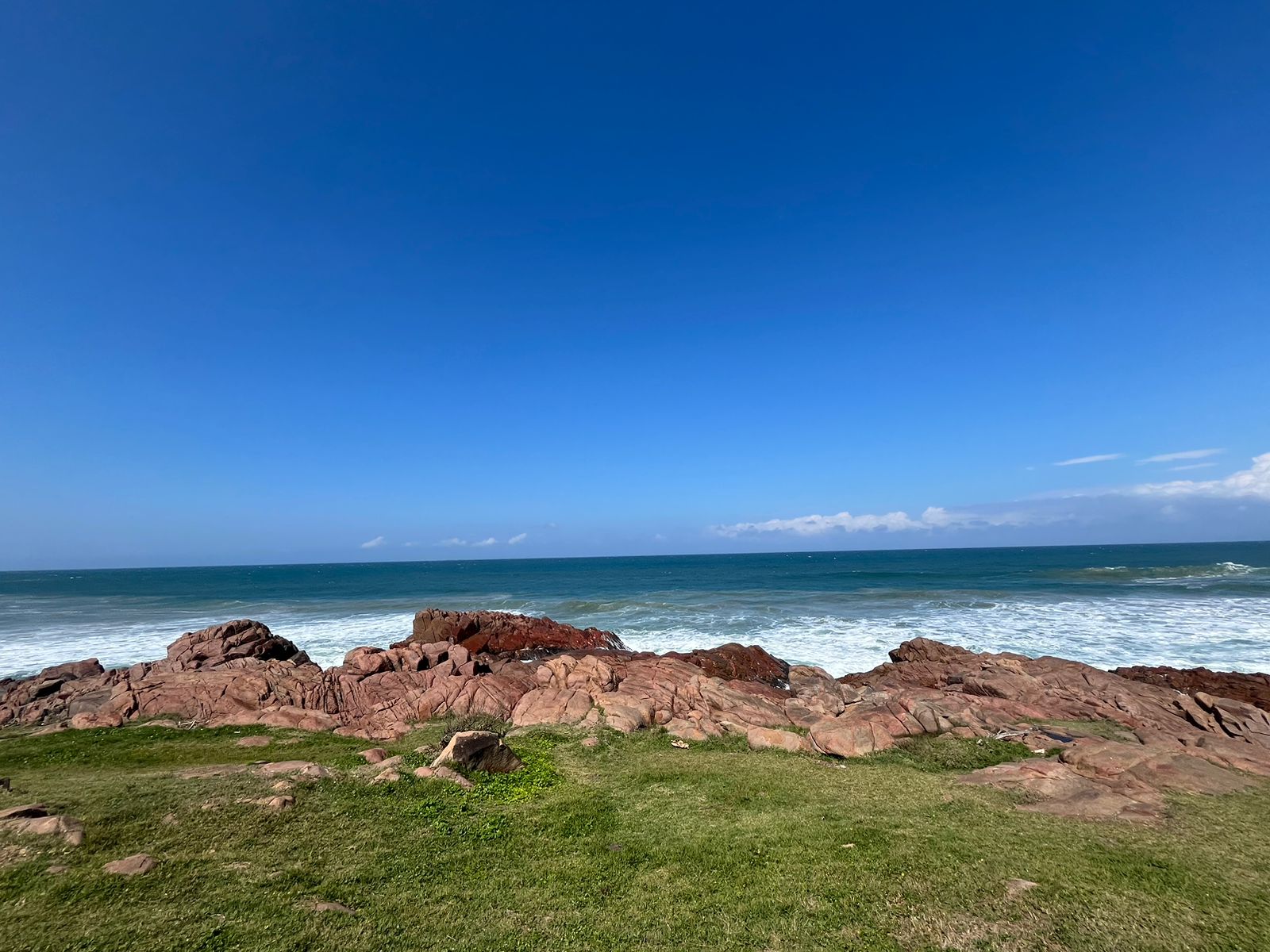
The Next Big Thing in Travel
South Africa’s next big travel moment is quietly building along a 120-kilometre stretch of warm Indian Ocean coastline where golden beaches, world-class diving, coastal golf, lush forests and small-town hospitality meet one another with effortless style. The KwaZulu-Natal (KZN) South Coast is surfacing as a global favourite for travellers who want sunshine, safety, variety and authentic experiences — all within easy reach of Durban’s international gateway. This blog explains why the KZN South Coast should be on the radar of international travellers, travel press, tour operators and influencers in 2026 and beyond.
1. It’s more accessible than people think
Getting to the South Coast is fast and simple for international visitors who fly into Durban’s King Shaka International Airport. From the airport, the drive to flagship towns such as Margate or Ramsgate is roughly 1 hour 40 minutes to 2 hours by road, meaning the coast is a user-friendly add-on to many South Africa itineraries (Durban → South Coast transfers and driving times are regularly offered by local operators).
That short transfer time is a major selling point for visitors who want to pair city stays or safari trips with warm-water beaches and diving without long domestic flights.
2. World-class marine experiences — close to shore
The South Coast is internationally known for Aliwal Shoal and other reef systems that rank among the world’s best shore-accessible dive sites. Aliwal Shoal’s pinnacles, wrecks and seasonal ragged-tooth shark populations create bucket-list dive and snorkel experiences for experienced divers and curious snorkellers alike. Many dive operators run half-day departures from Umkomaas and transfer services from Durban, making it a practical ocean activity for visitors.
For international audiences, combining a beach town stay with a single-day dive or snorkel trip is an attractive, low-logistics way to experience iconic marine life.
3. Warm water, Blue Flag beaches and family-friendly swimming
The KZN South Coast enjoys warm Indian Ocean water year-round and a large number of family-friendly, lifeguarded beaches and natural tidal pools. For families and travellers seeking swim-safe beaches rather than cold Atlantic waters, the South Coast offers accessible, shallow bays and long stretches of sand that are ideal for all ages. These beaches form the backbone of the coast’s appeal: low-stress, swim-focused holidays with plenty of space to relax.
4. Adventure diversity — land and sea
The South Coast is an adventure micro-region. In a single trip you can:
- Dive or snorkel at Aliwal Shoal, known for shark and ray encounters.
- Surf or learn to surf at St. Michael’s, Scottburgh and other reliable breaks.
- Zipline, gorge swing and hike in places like Oribi Gorge for inland thrills.
- Kayak estuaries, stand-up paddleboard calm lagoons, or join whale-watching boat trips in season.
This layered offering — where ocean sport sits next to rainforest hikes and cliff adventures — appeals to multi-interest travellers and multi-day itineraries.
5. A growing, professional tourism offer
The South Coast has been investing in its tourism product: better signage, upgraded beachfronts, improved lifeguard services, local conservation programmes and coordinated marketing from the regional tourism body. These improvements give international travellers confidence to visit, and they make it easier for tour operators to package the coast as a polished, repeatable product. Recent tourism data for South Africa also shows strong international recovery trends, which the province and local stakeholders are ready to leverage.
6. Strong value proposition for international visitors
Compared with many international beach destinations, the South Coast offers outstanding value: accommodation ranges from family self-catering units and boutique lodges to beach resorts, and many experiences (beaches, trails, markets) are low or no cost. For international markets sensitive to value, the coast gives a high-quality, lower-cost alternative to pricier island or Mediterranean options.
7. Culture, food and coastal towns with character
The South Coast is not just nature — it’s also people. Towns like Margate, Ramsgate, Scottburgh and Port Edward offer local markets, seafood restaurants, craft stalls and cultural experiences that are authentic and easy to access. Visitors can combine beach time with community-led tours, craft hunts, coffee roastery visits and dinner at seaside restaurants that celebrate regional flavours.
8. Golf, wellness and slow-travel appeal
The KZN South Coast has earned the moniker “Golf Coast” for good reason: beautifully maintained fairways that sit close to the ocean, friendly clubhouses and golf tourism infrastructure make it attractive to golf travellers. In addition, the region’s resorts provide wellness and spa offerings that pair perfectly with low-effort, scenic golf days — appealing to couples, retirees and group travel markets.
9. Perfect for combined itineraries (safari + coast + city)
International travellers often want “one trip, many experiences.” The South Coast’s short transfer from Durban (and road links to inland provinces and parks) makes it simple to combine:
- A Kruger or Hluhluwe safari, then a few days on warm beaches;
- A Cape Town city circuit followed by a coast-based diving or golf extension;
- A business trip to Durban with a weekend escape to the South Coast.
That flexibility is a powerful pitch to international agents and travel writers.
10. Ready for digital discovery
The South Coast’s ingredients make for shareable storytelling: marine encounters (sharks, turtles, whales), dramatic cliff-top golf holes, Blue Flag family beaches, and conservation stories (community trusts, reef protection). These are precisely the kinds of narratives that perform well on international platforms: long-form travel features, YouTube dive films, Instagram reels, and sustainable tourism roundups.
How to position the KZN South Coast to international audiences
1. Packaged, low-logistics products. Sell 3–5 day “coast experiences” that include transfers from King Shaka, accommodation, one dive/snorkel or whale-watching trip, a guided nature walk and a food experience. Simple, bookable packages increase conversion.
2. Targeted markets. Focus on Europe (cold-season sunseekers), North America (multi-stop holidaymakers), and neighbouring African markets. Messaging should emphasise warm water, short transfers and high value.
3. Experience-led marketing. Prioritise hero content: one or two high-quality dive films, short surf tutorials, wellness/golf micro-films, and family beach day storytelling for parenting channels.
4. Press and influencer fam trips. Host short, tightly produced press trips for international travel editors and micro-influencers in diving, family travel, golf and slow travel niches.
5. Sustainability & community stories. Highlight conservation efforts, the Umdoni Park Trust approach to nature preservation, local craft economies and community tourism — stories that international audiences care about.
(Quick note: Aliwal Shoal is widely promoted by dive operators as being close and practical for visitors departing from Durban/Umkomaas, which reinforces the “easy to do while on route” sales point.)
5-day international preview itinerary
Day 1 — Arrival & Beach Ease: Land at King Shaka, transfer to a South Coast base (Margate or Ramsgate). Sunset beach stroll and seafood dinner.
Day 2 — Aliwal Shoal Experience: Morning snorkel or dive trip to Aliwal Shoal; afternoon relax at a Blue Flag beach.
Day 3 — Coastal Adventure: Choose zipline/Oribi Gorge day trip, or a guided coastal hike and birding in a reserve.
Day 4 — Culture & Leisure: Local market visit, craft village, short coastal golf round or spa afternoon.
Day 5 — Departure or Extend: Morning beach time then transfer back to King Shaka or continue to a Kruger or Cape extension.
Packages like this convert well because they’re short, manageable, activity-rich and low on extra travel.
Why tourism buyers and travel editors should care now
The KZN South Coast checks every accelerator box for international demand: short transfer times from an international airport, compelling marine and coastal experiences, good value and a growing, professional tourism product. For travel buyers and editors hunting “the next big thing,” the South Coast offers fresh storylines, easy logistics and high visual impact — perfect for photos, video and experiential travel features.


